


Armillaria mellea
Armillaria root rot
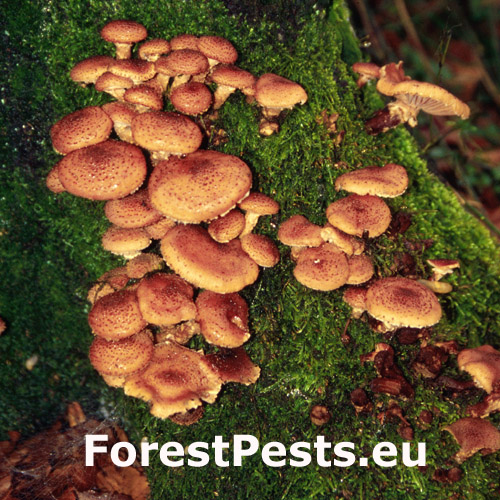
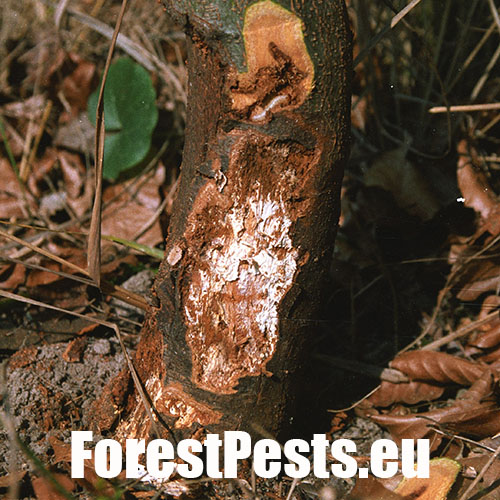
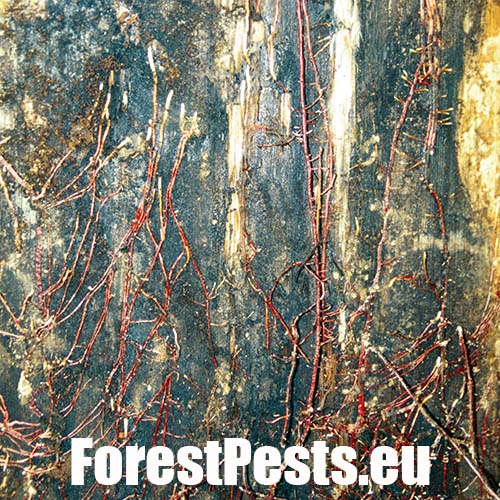
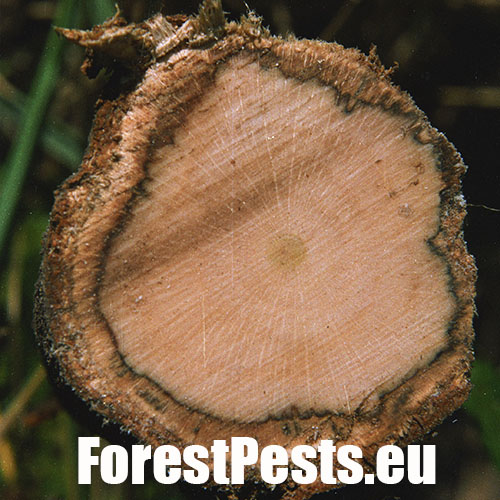
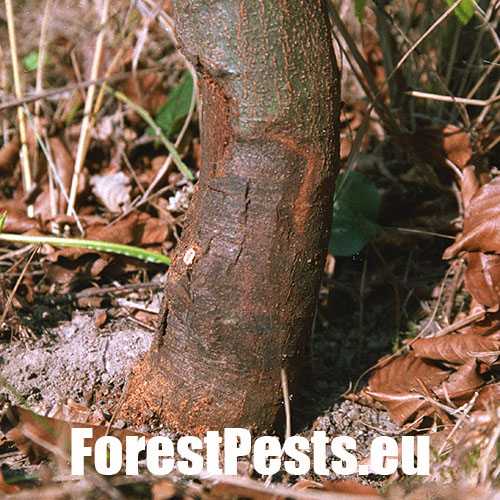
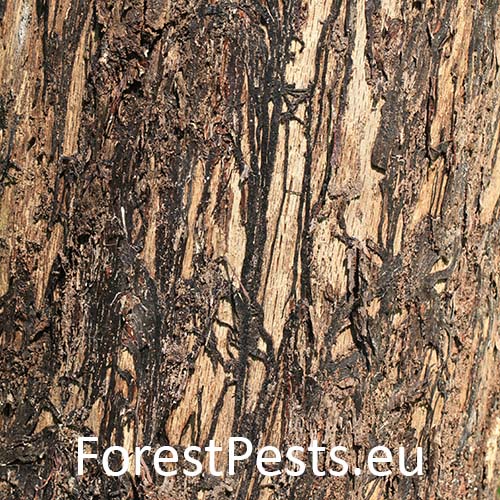
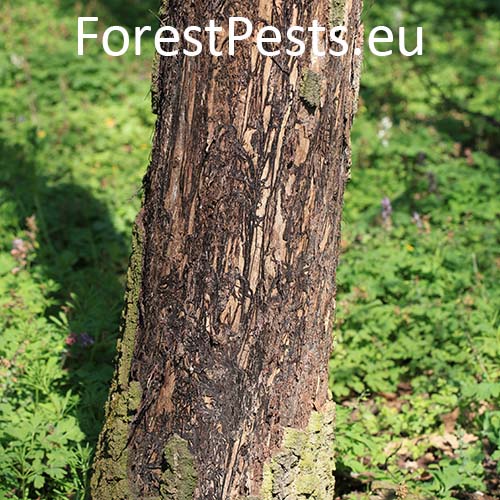
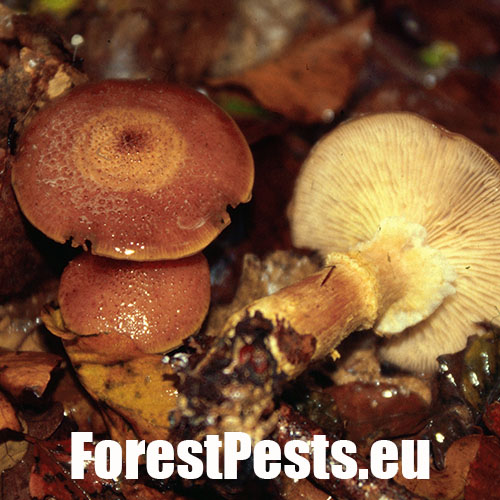
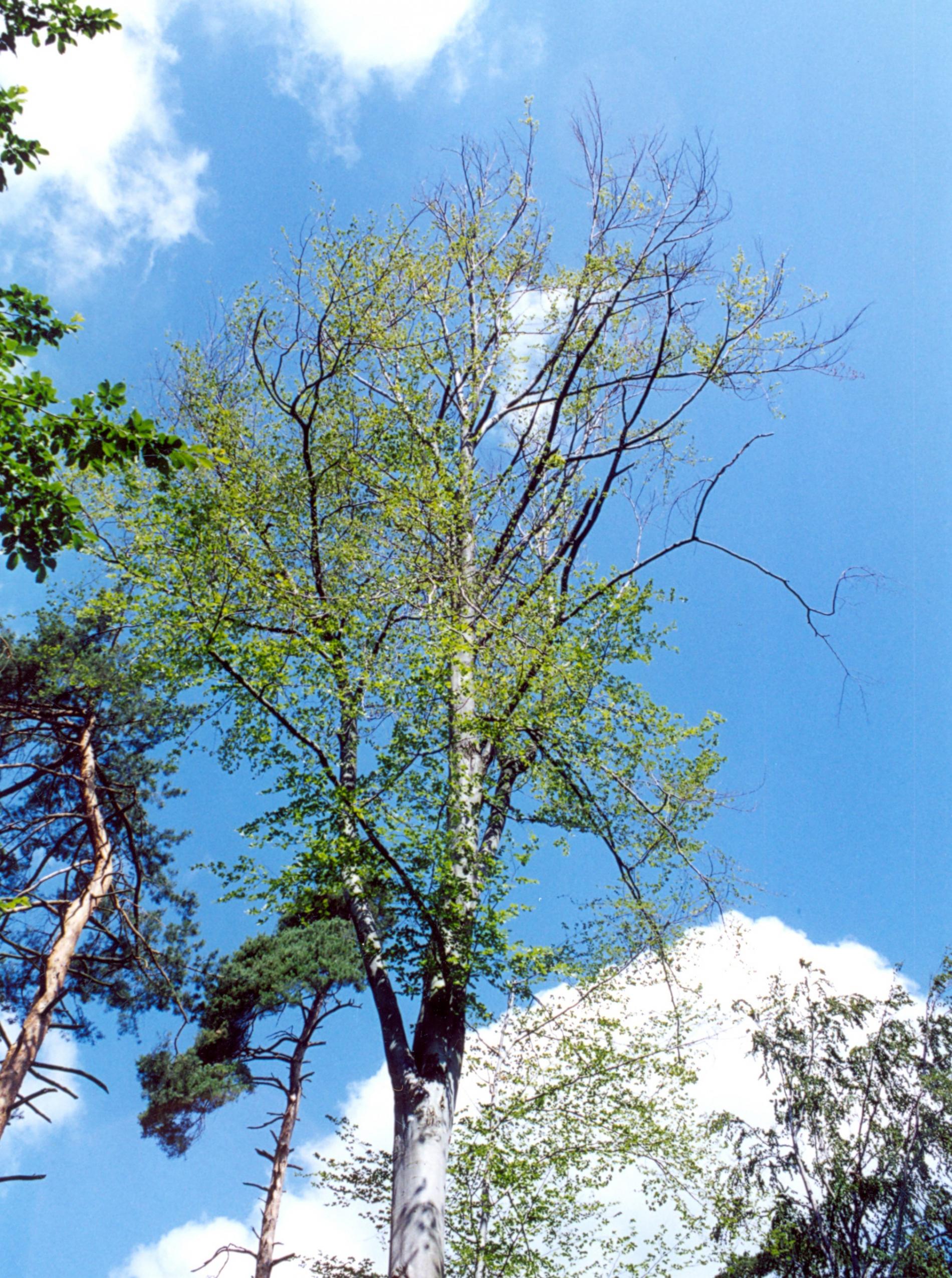
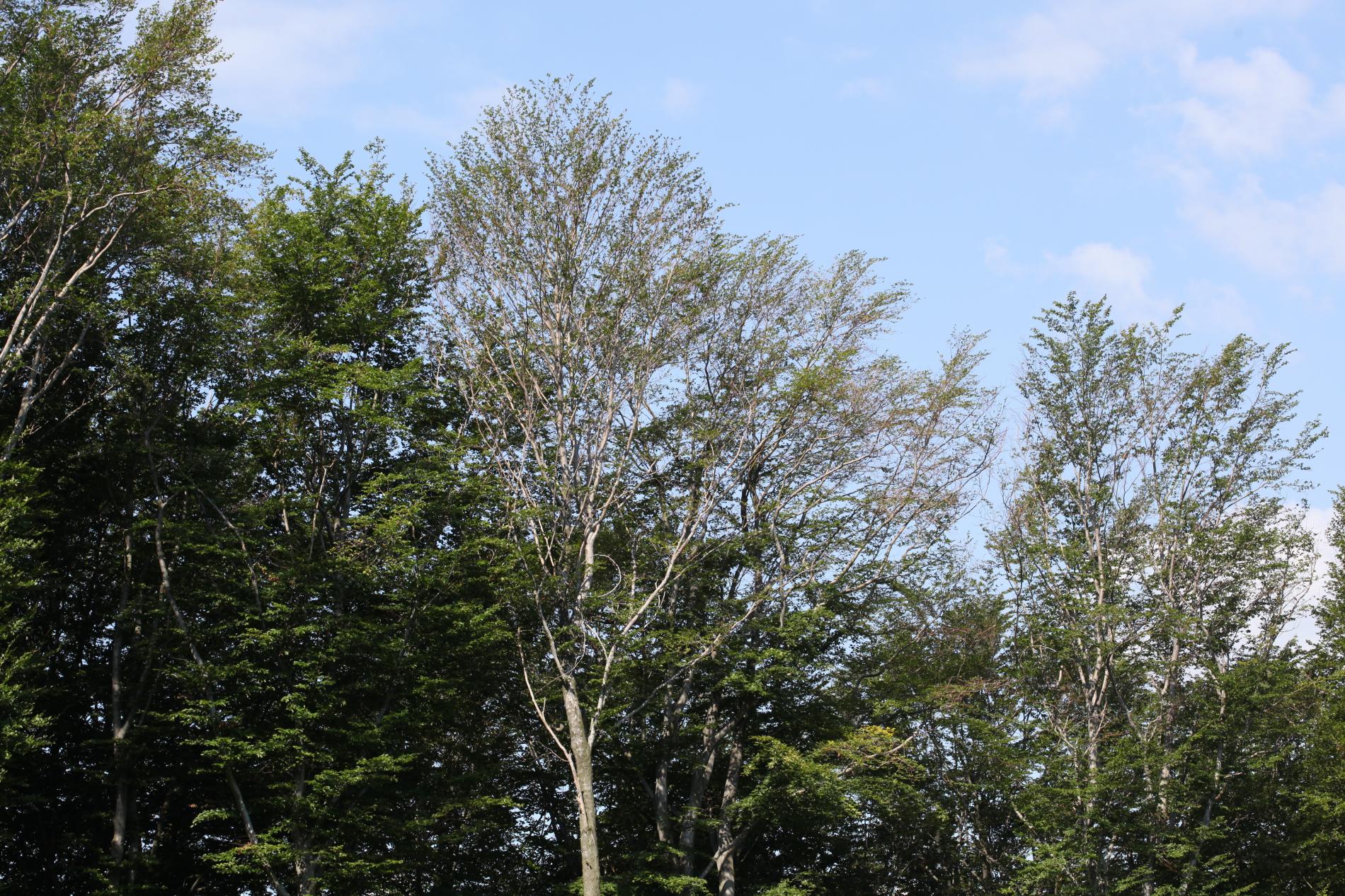
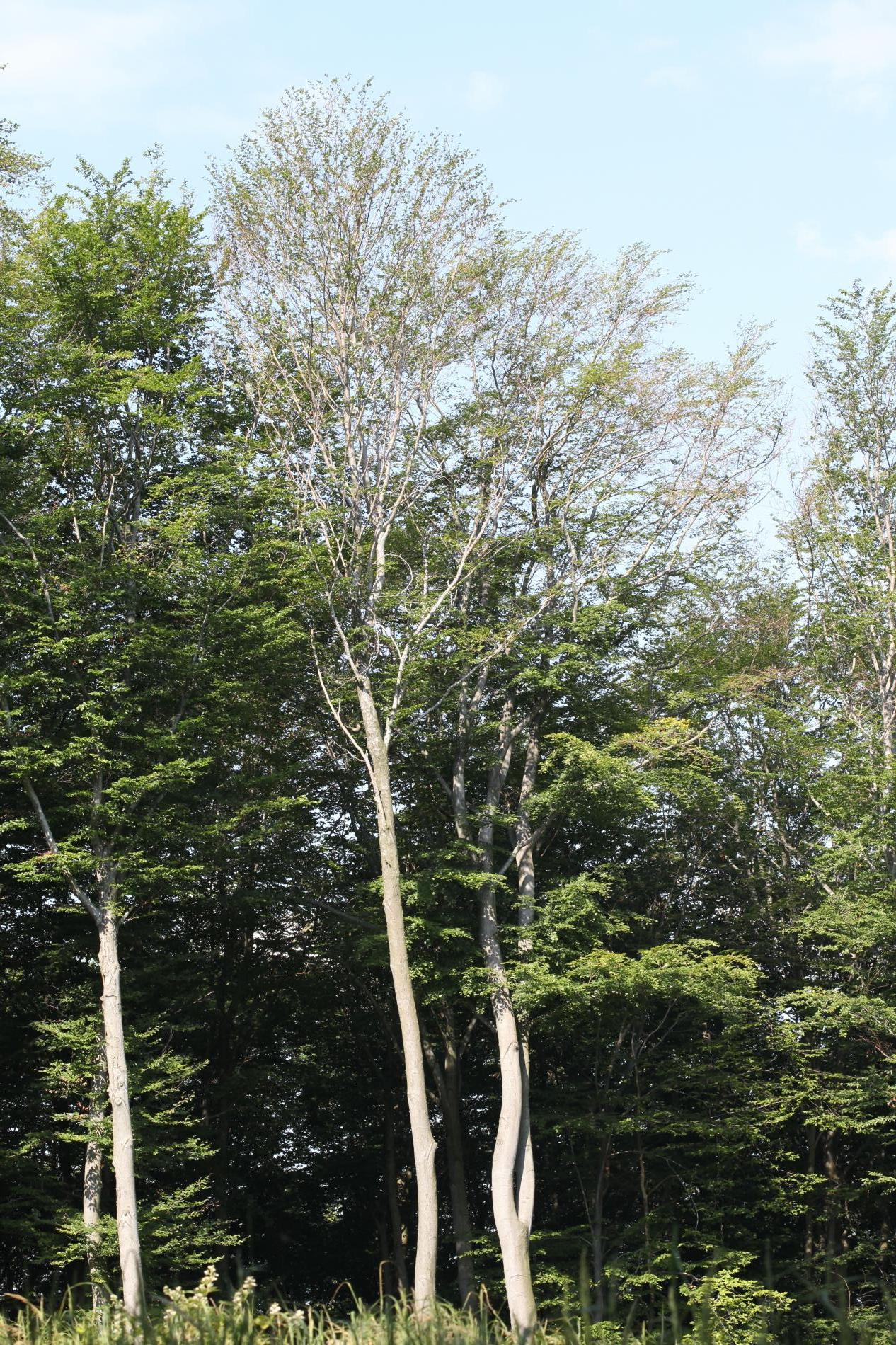
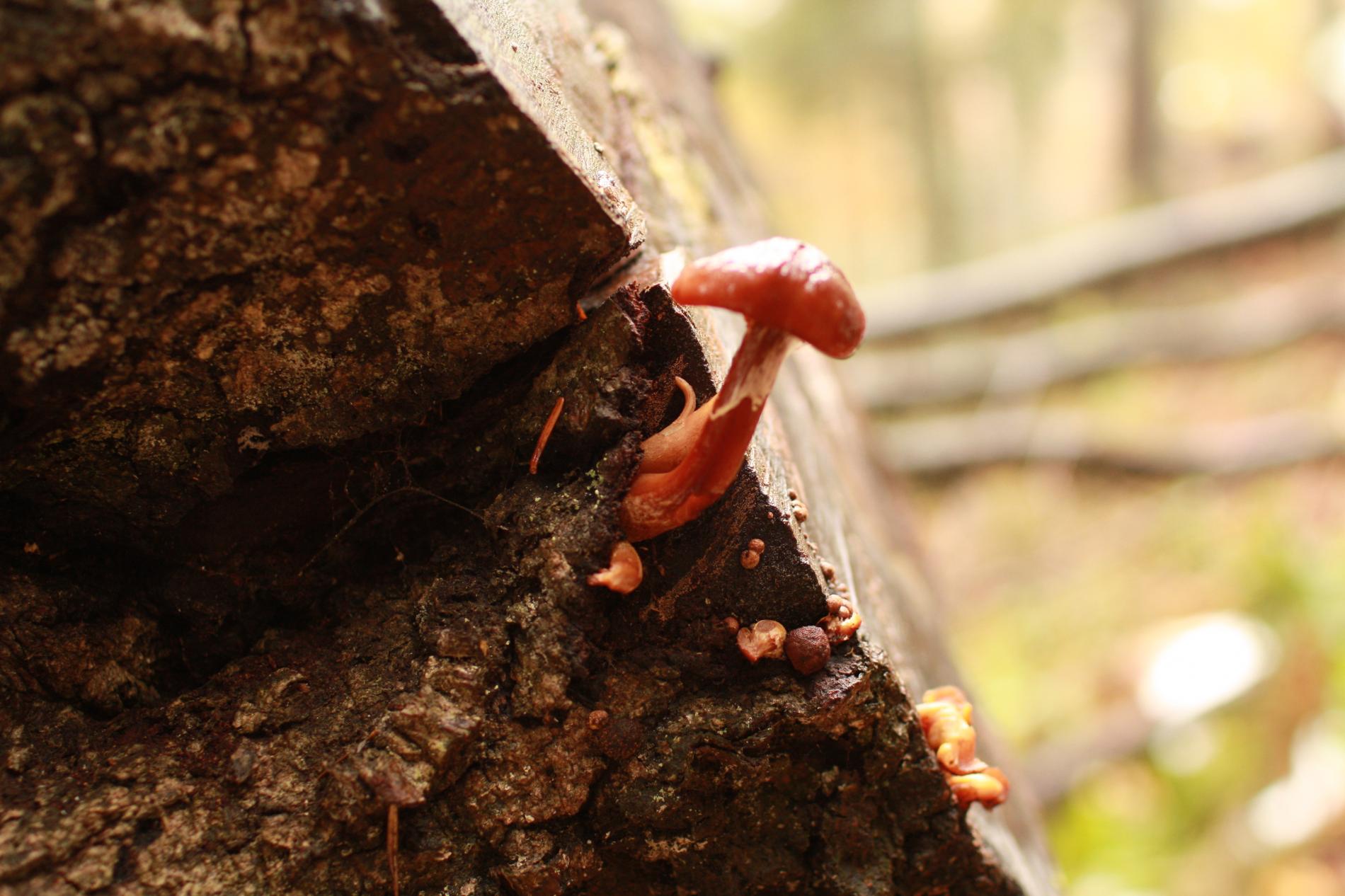
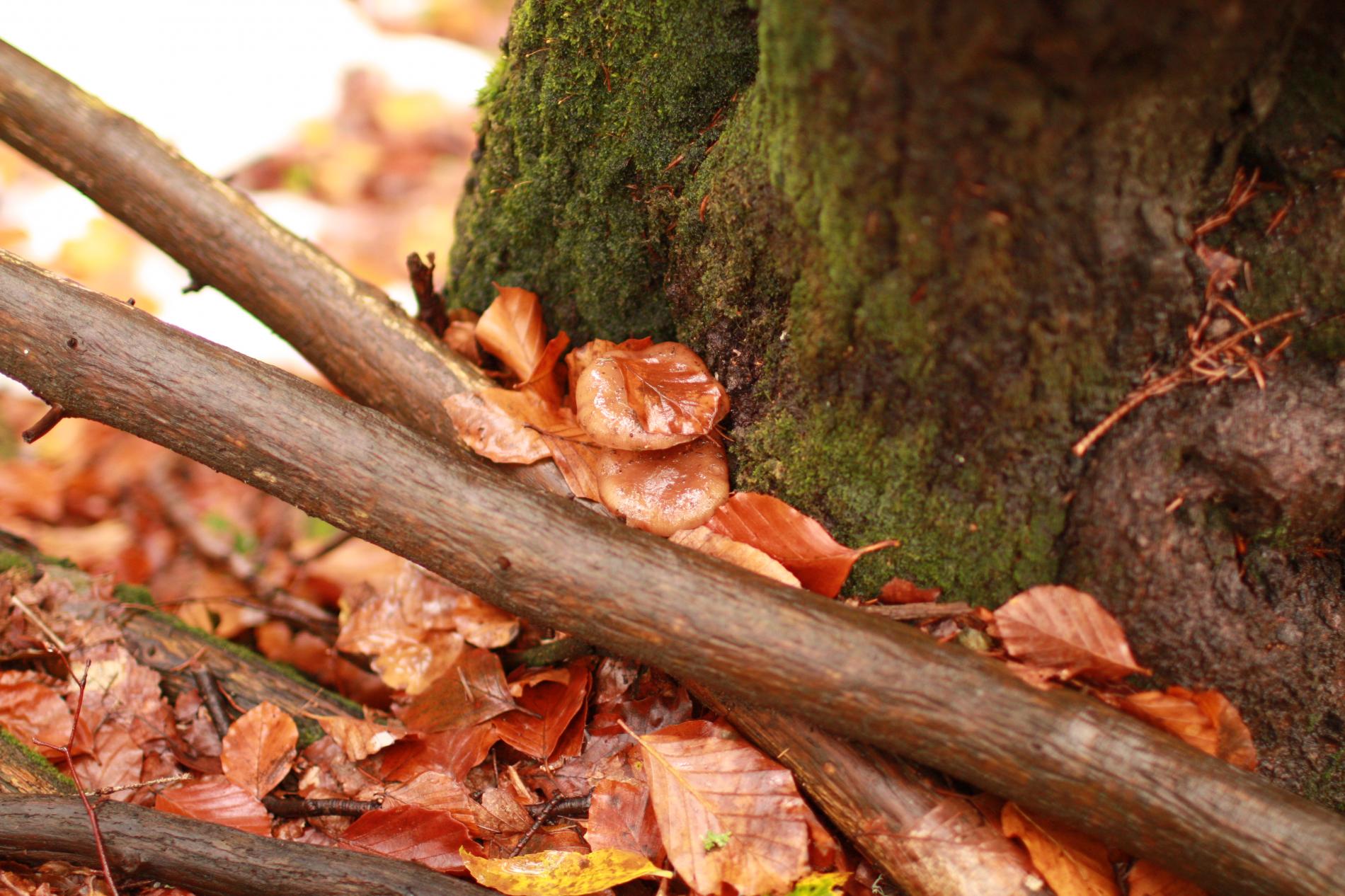
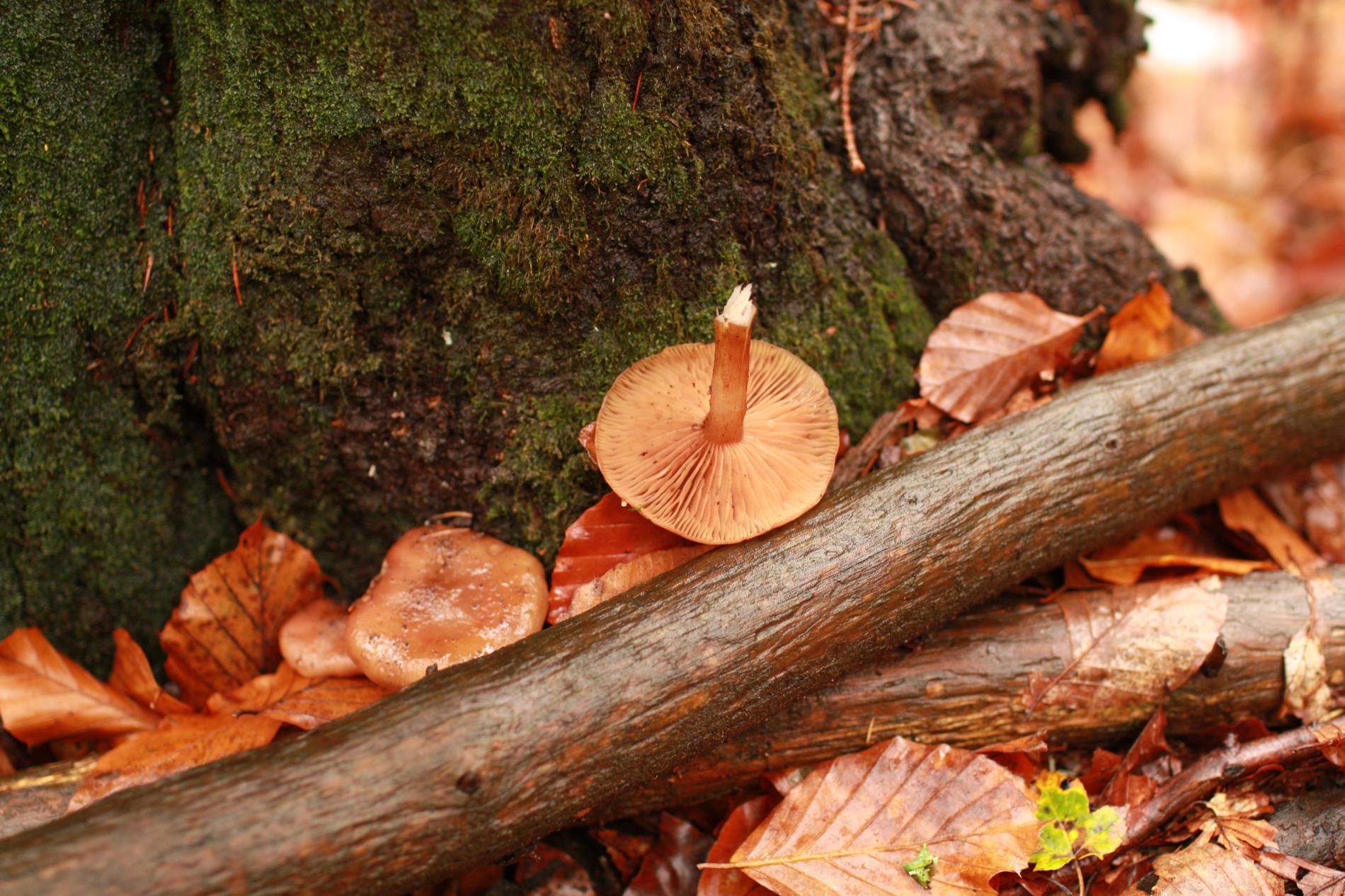
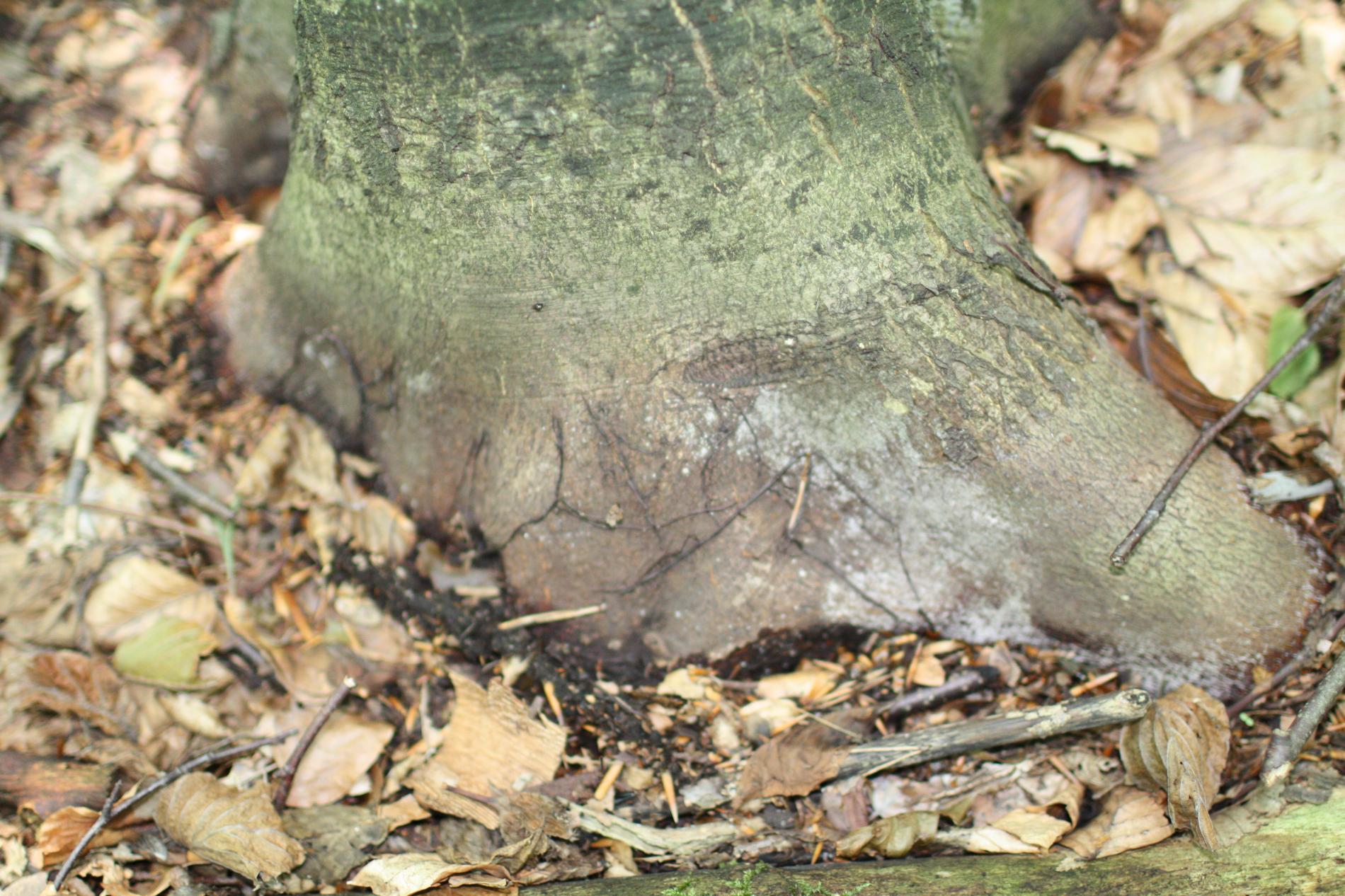
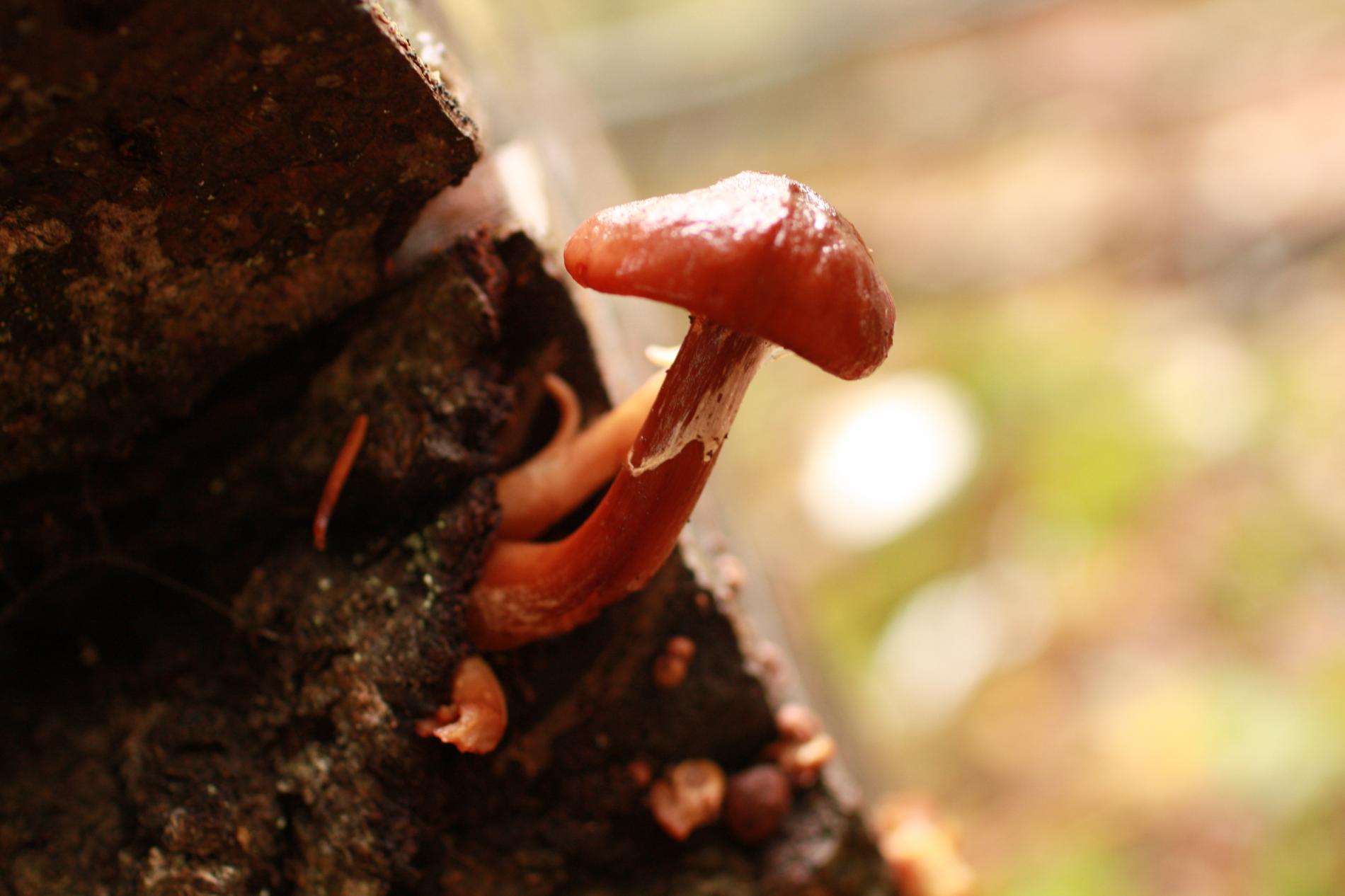
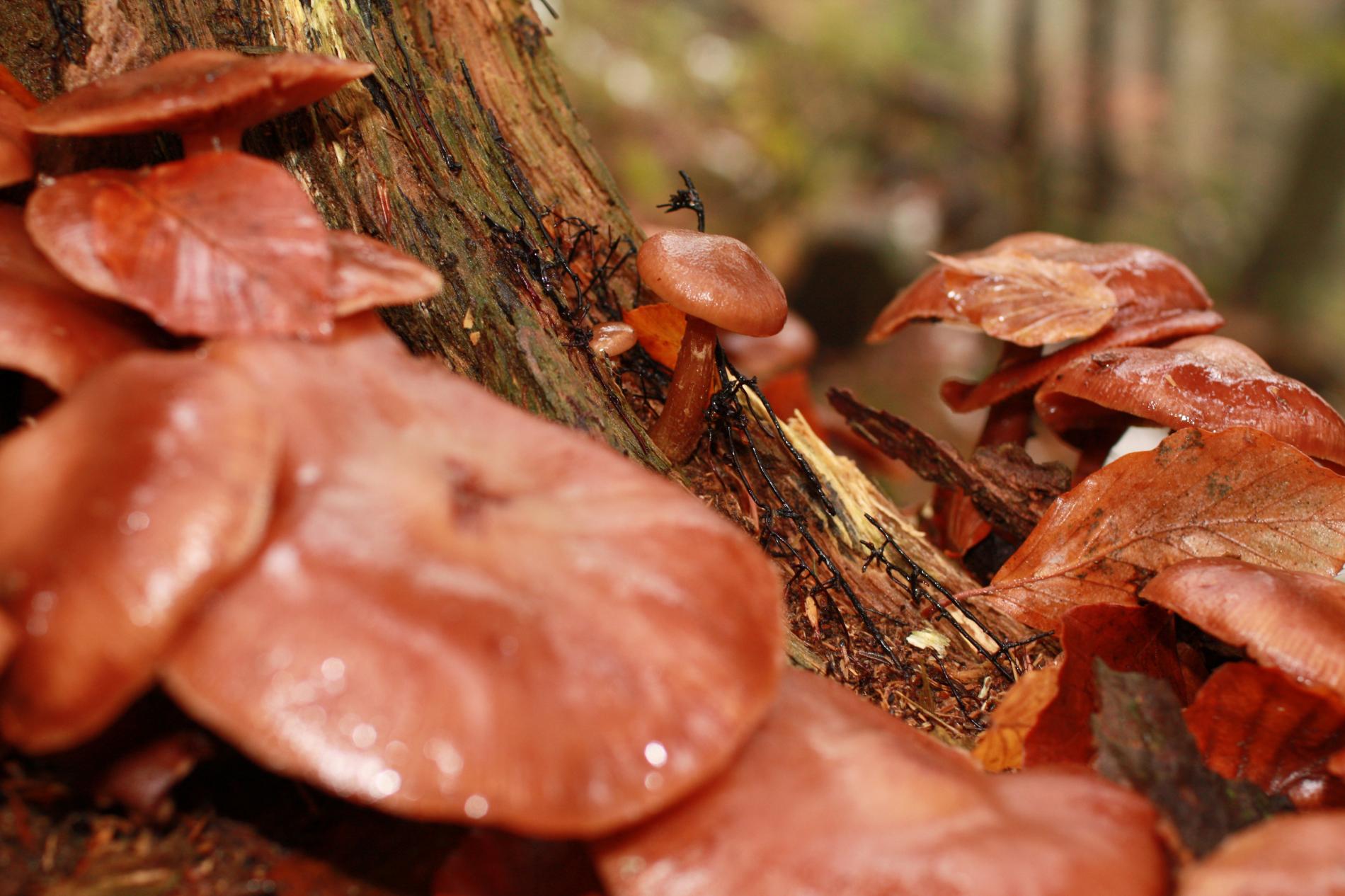
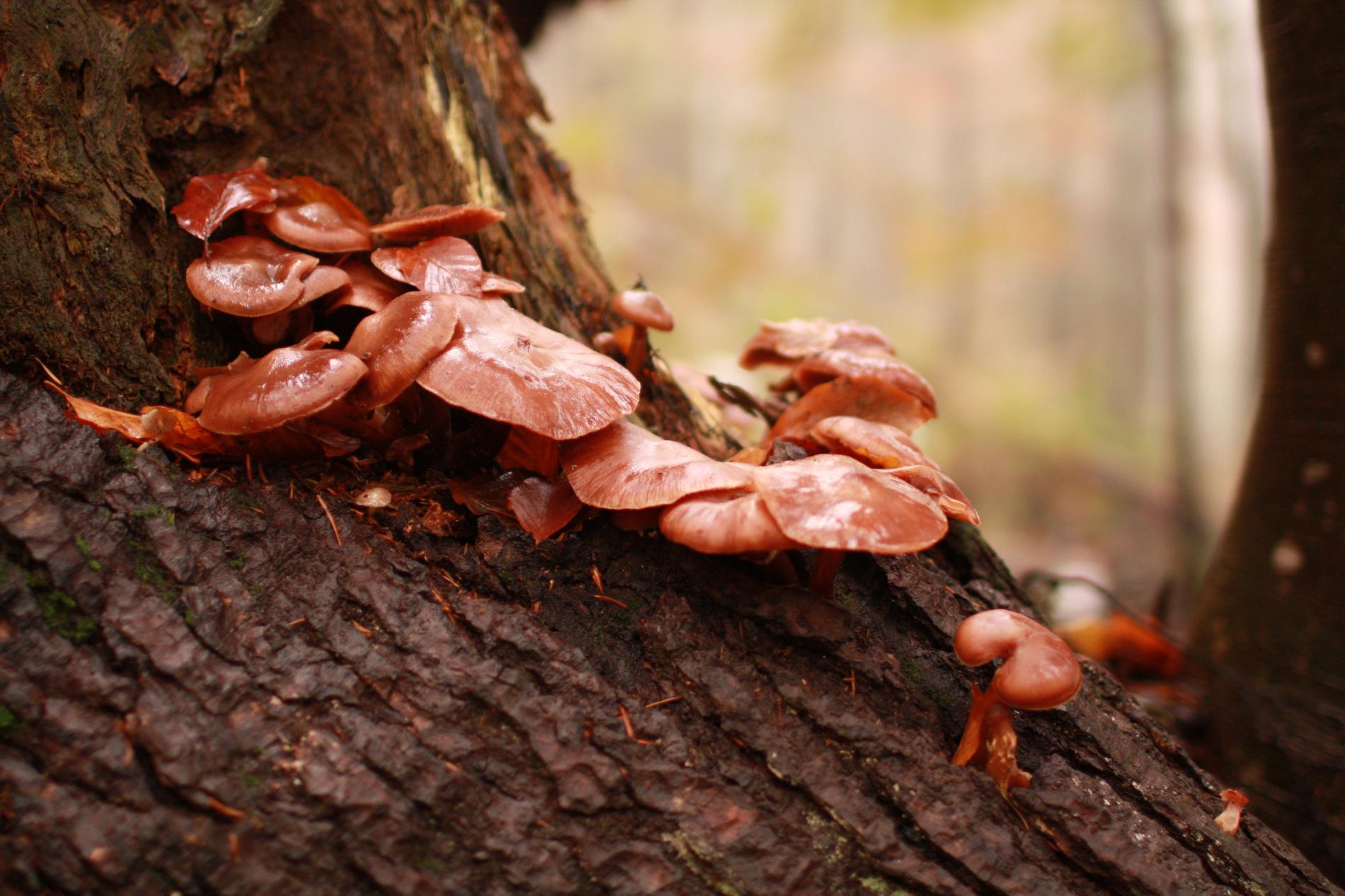
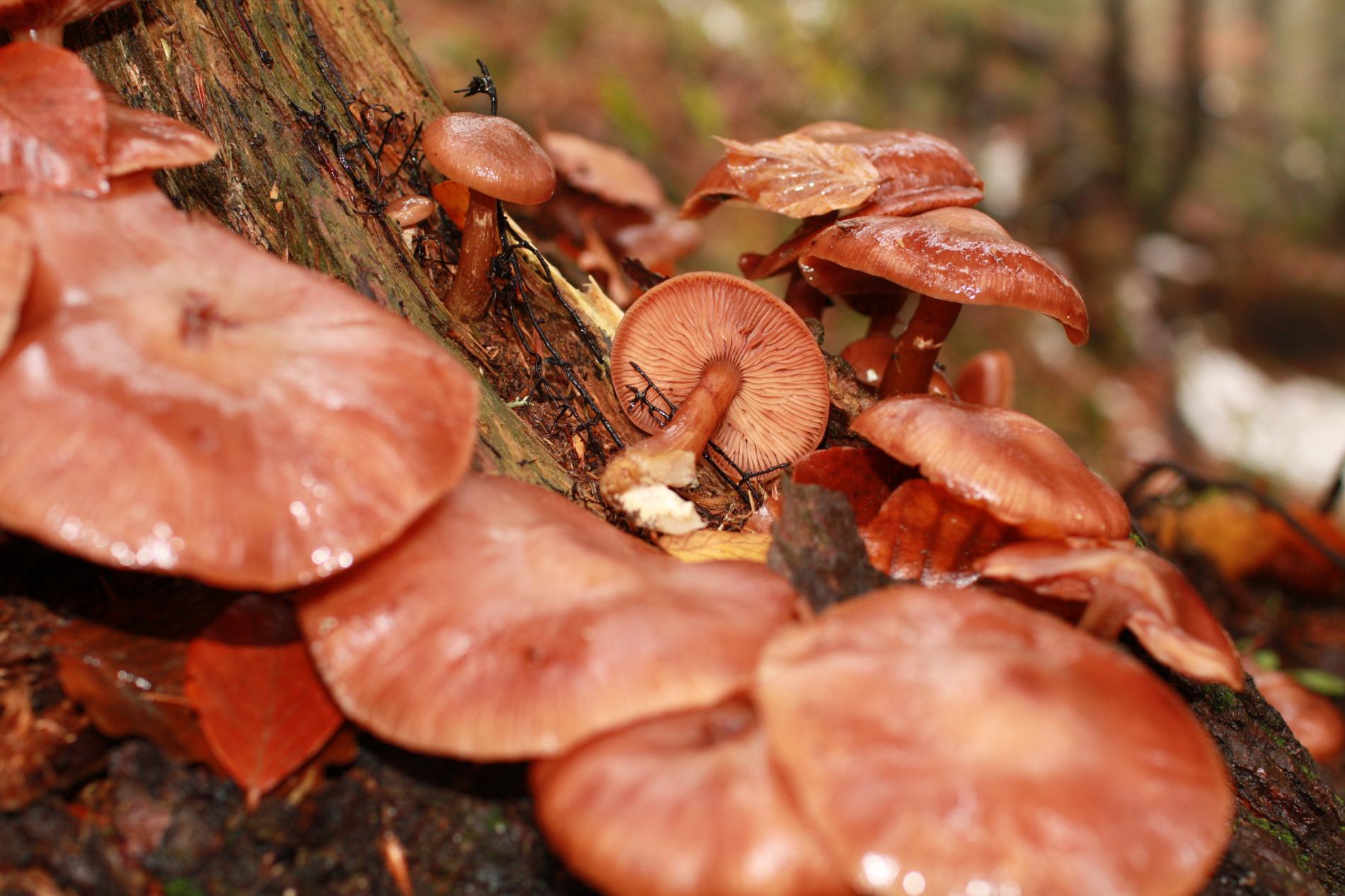
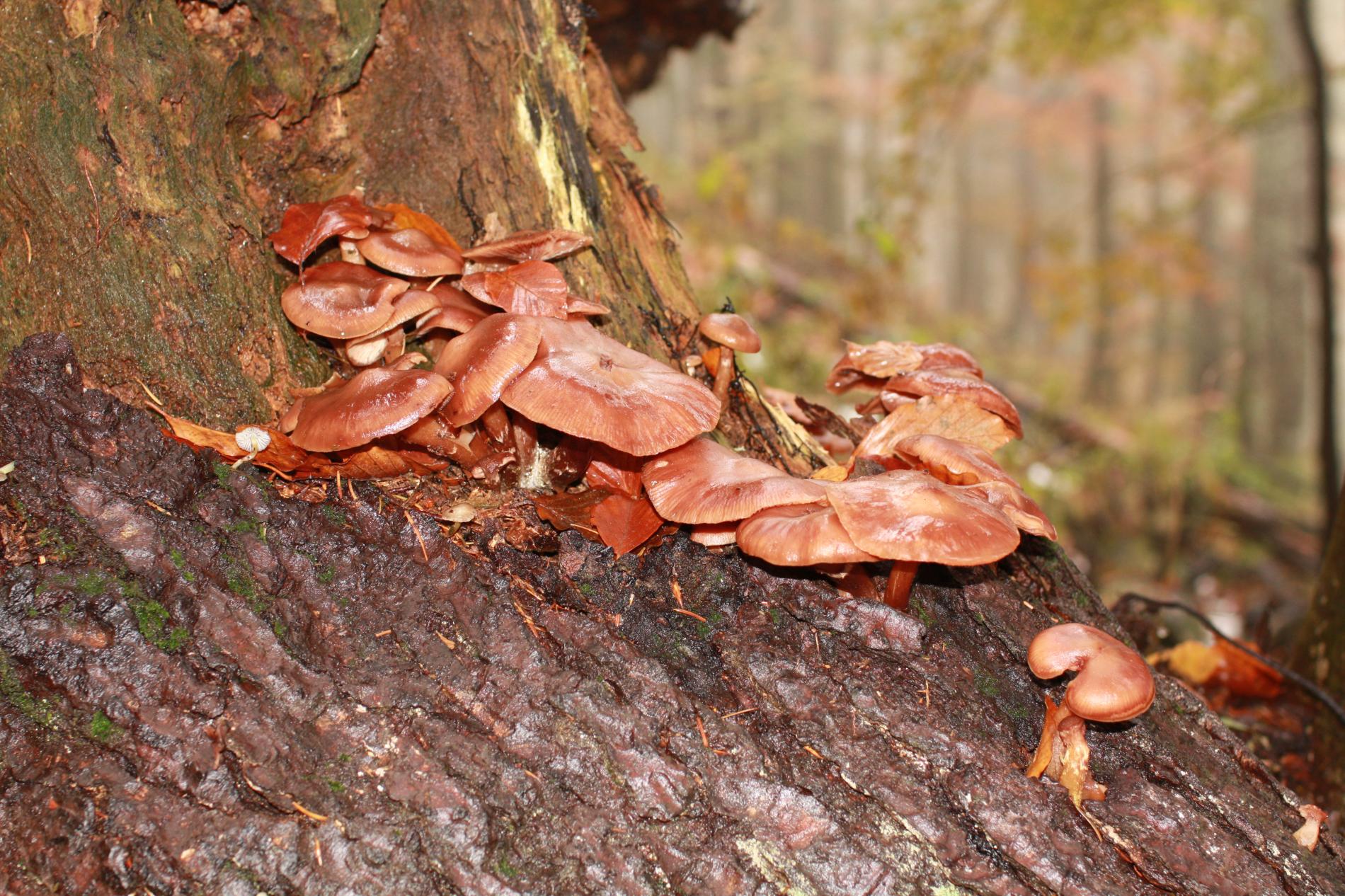
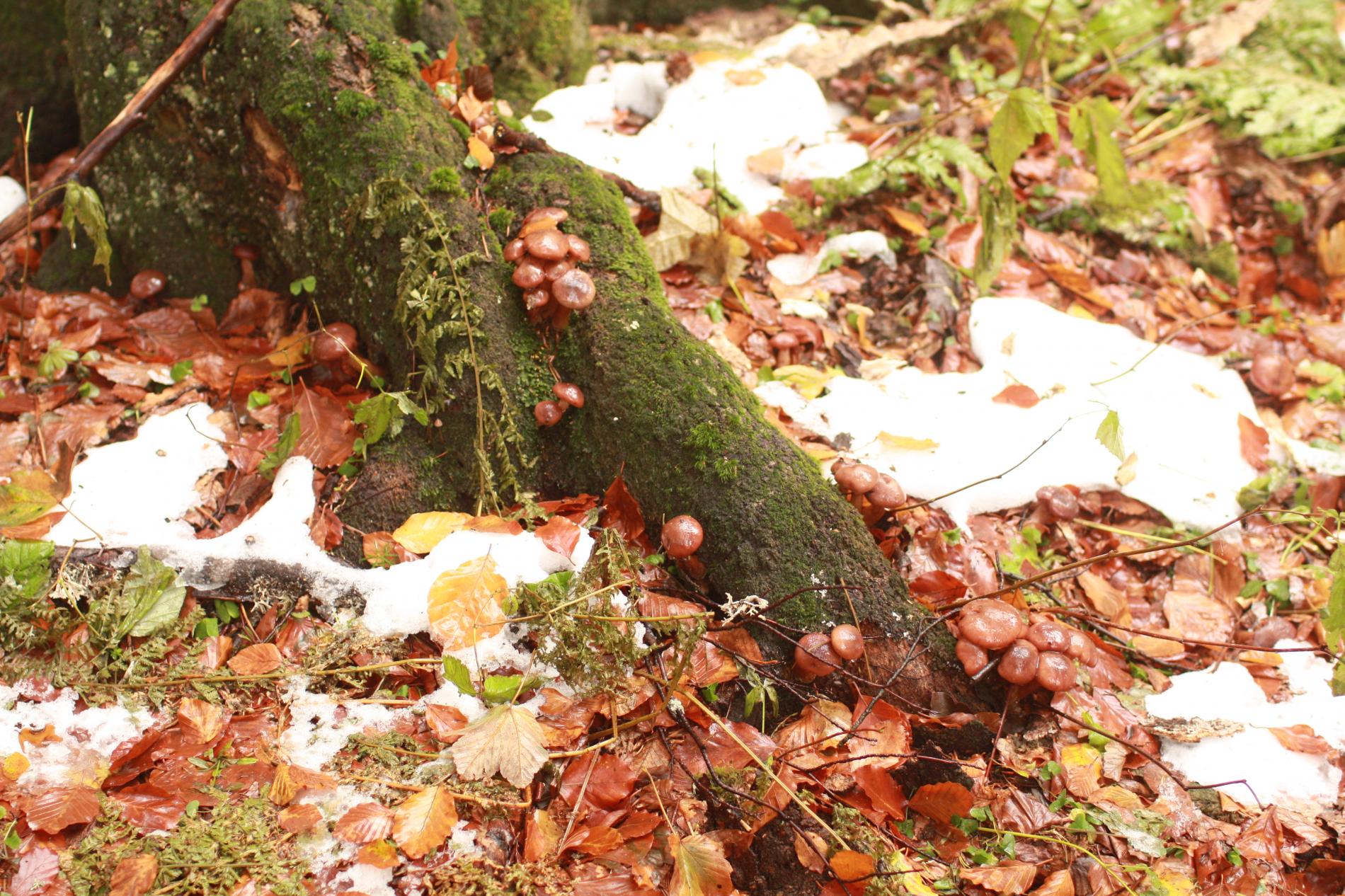
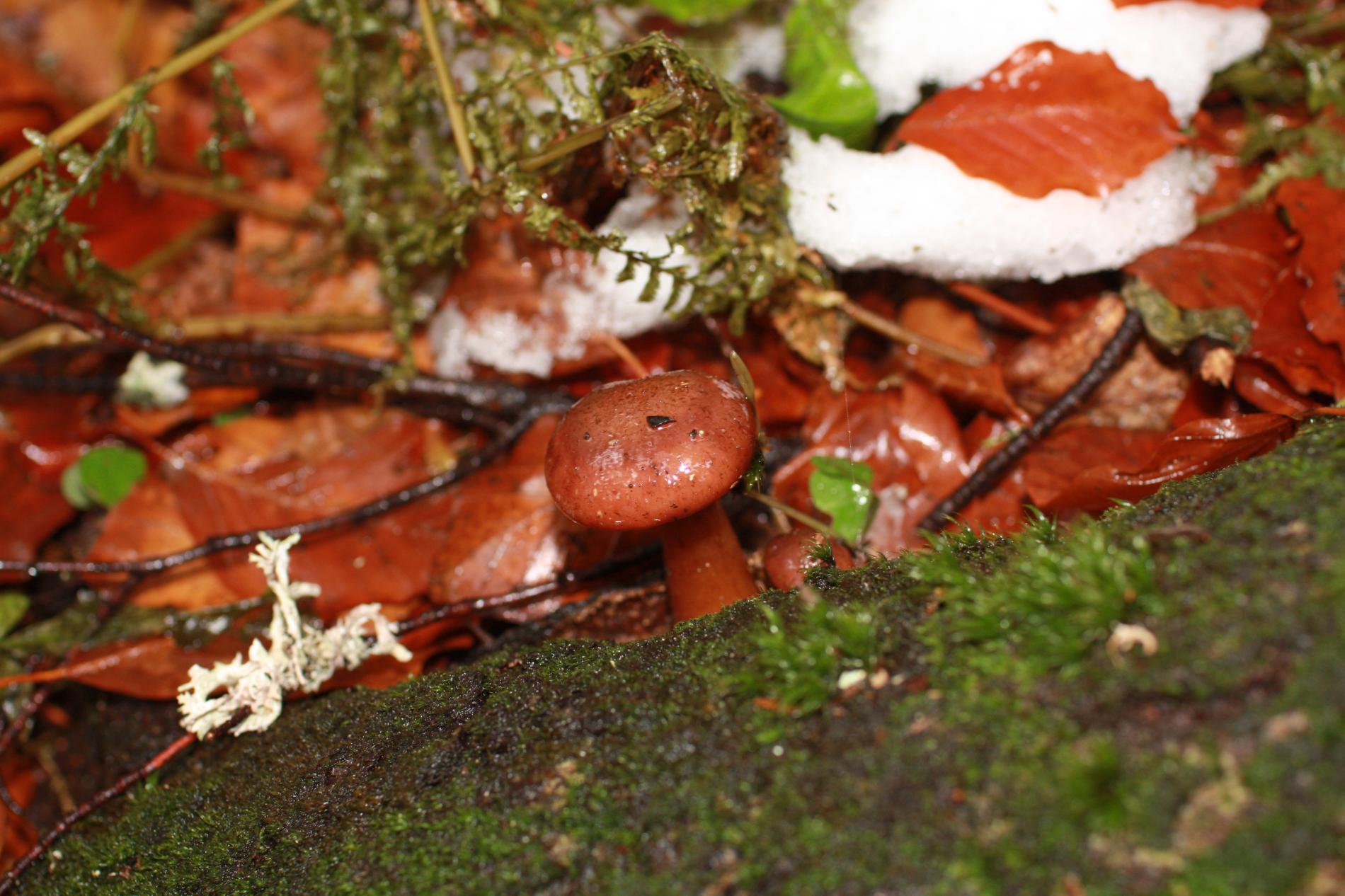
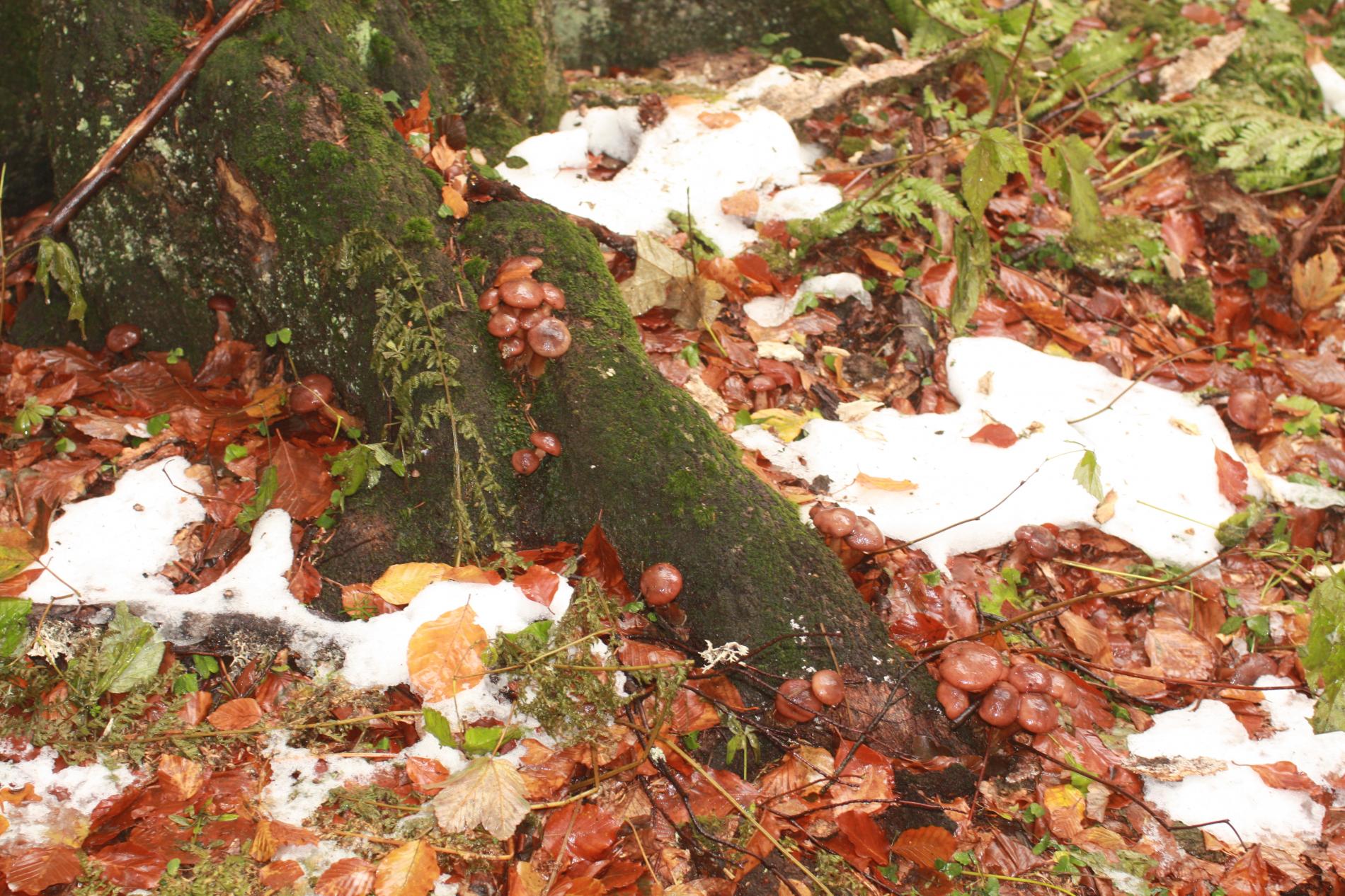
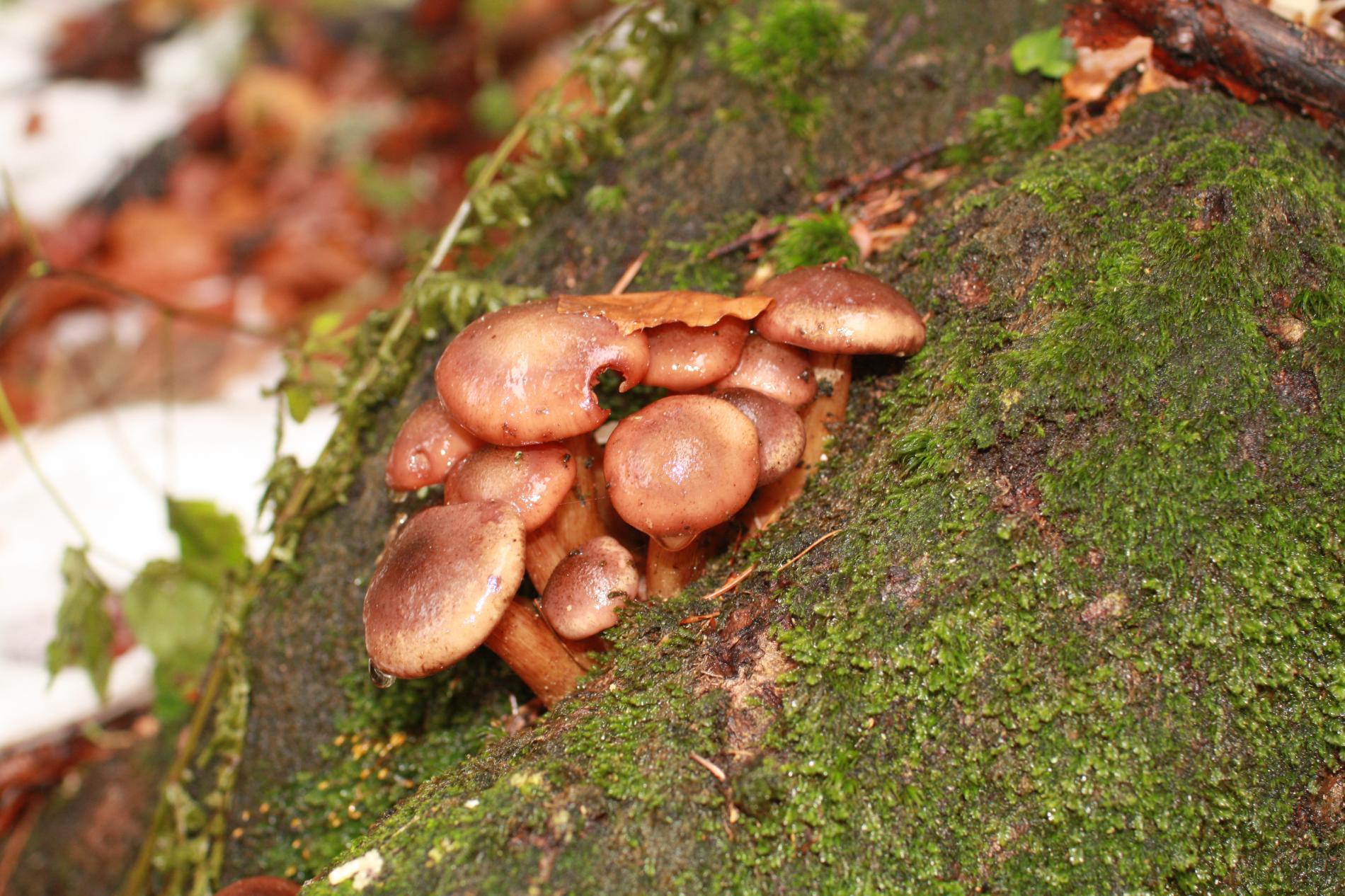
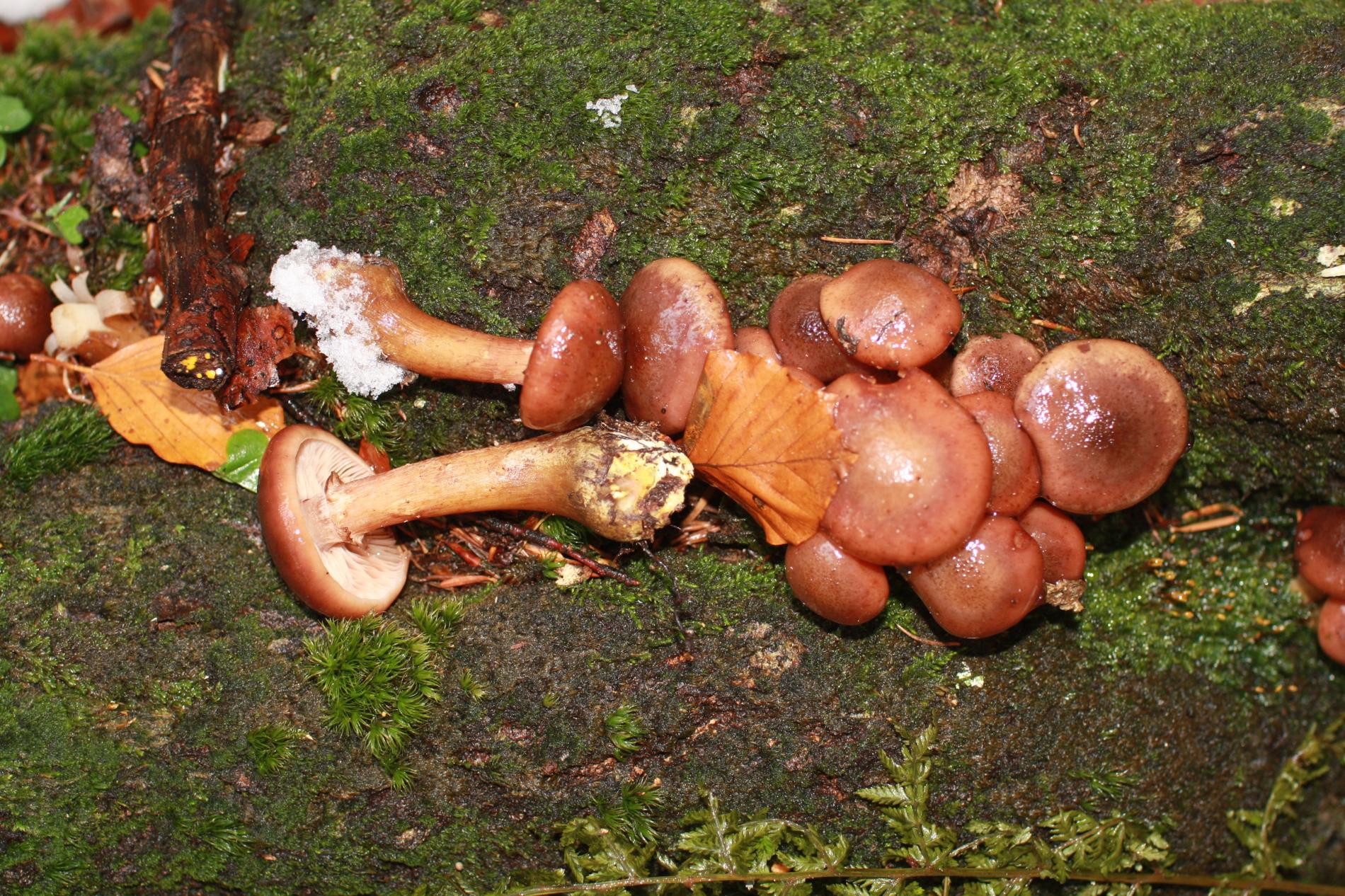
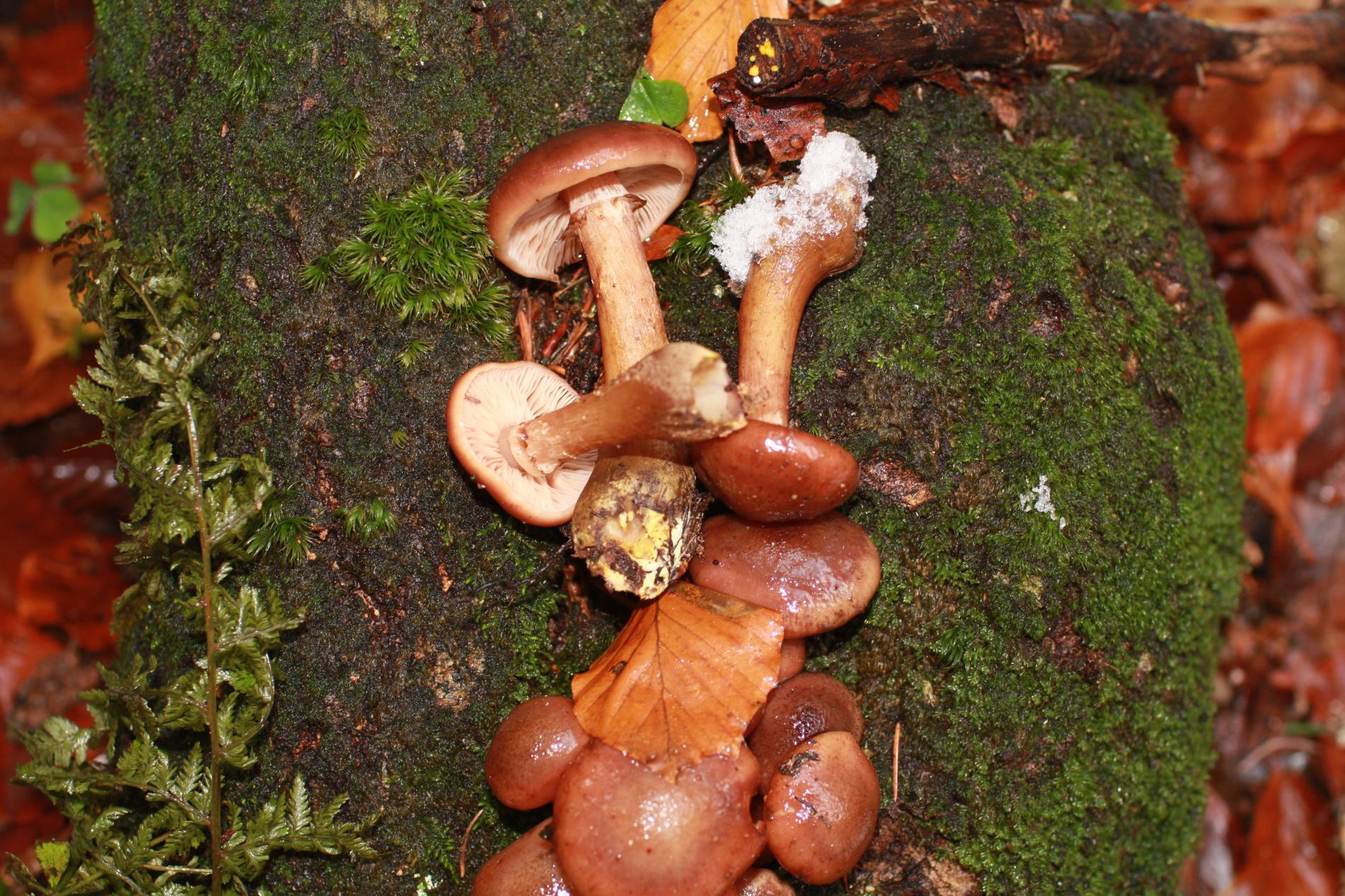
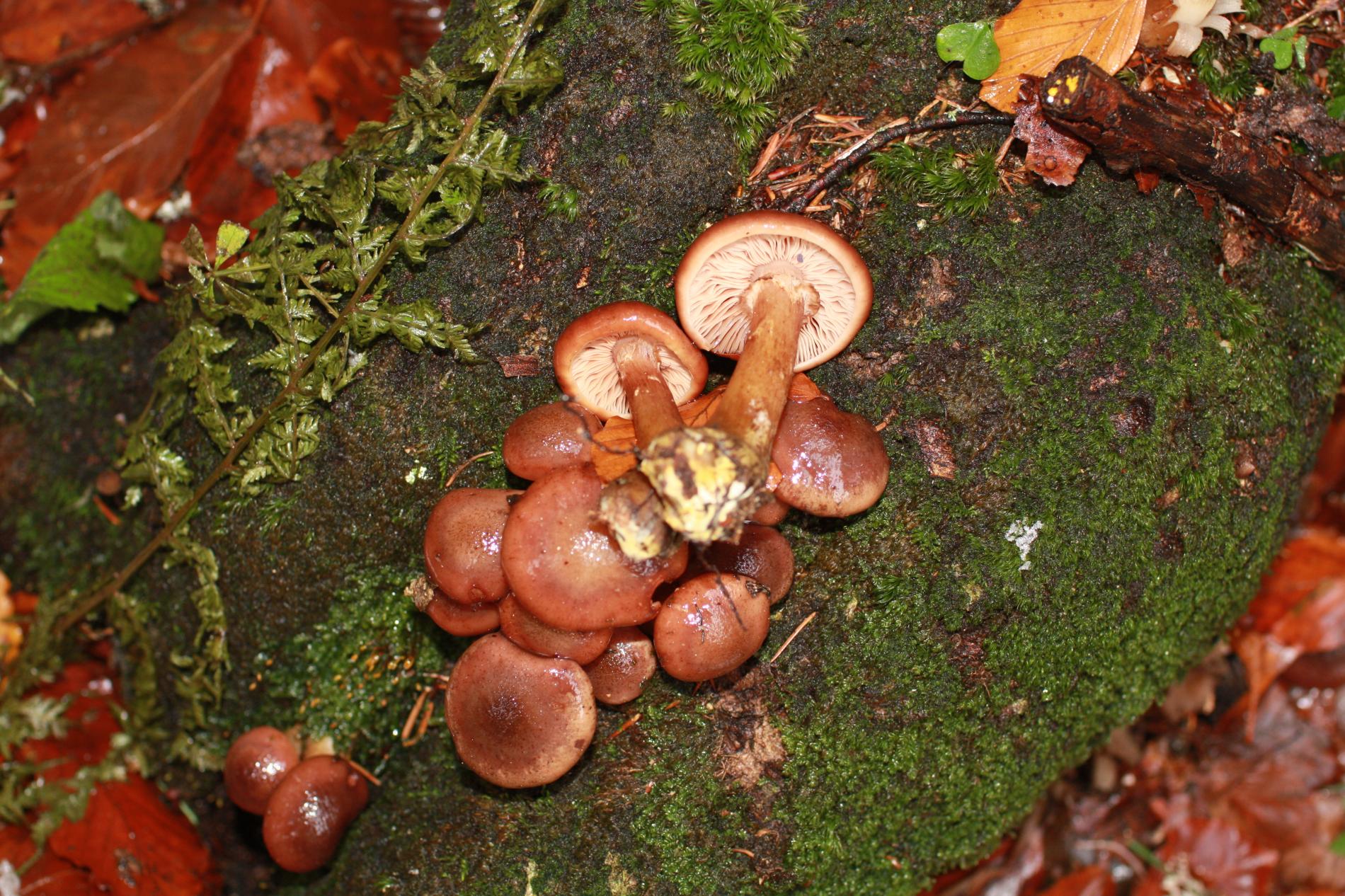
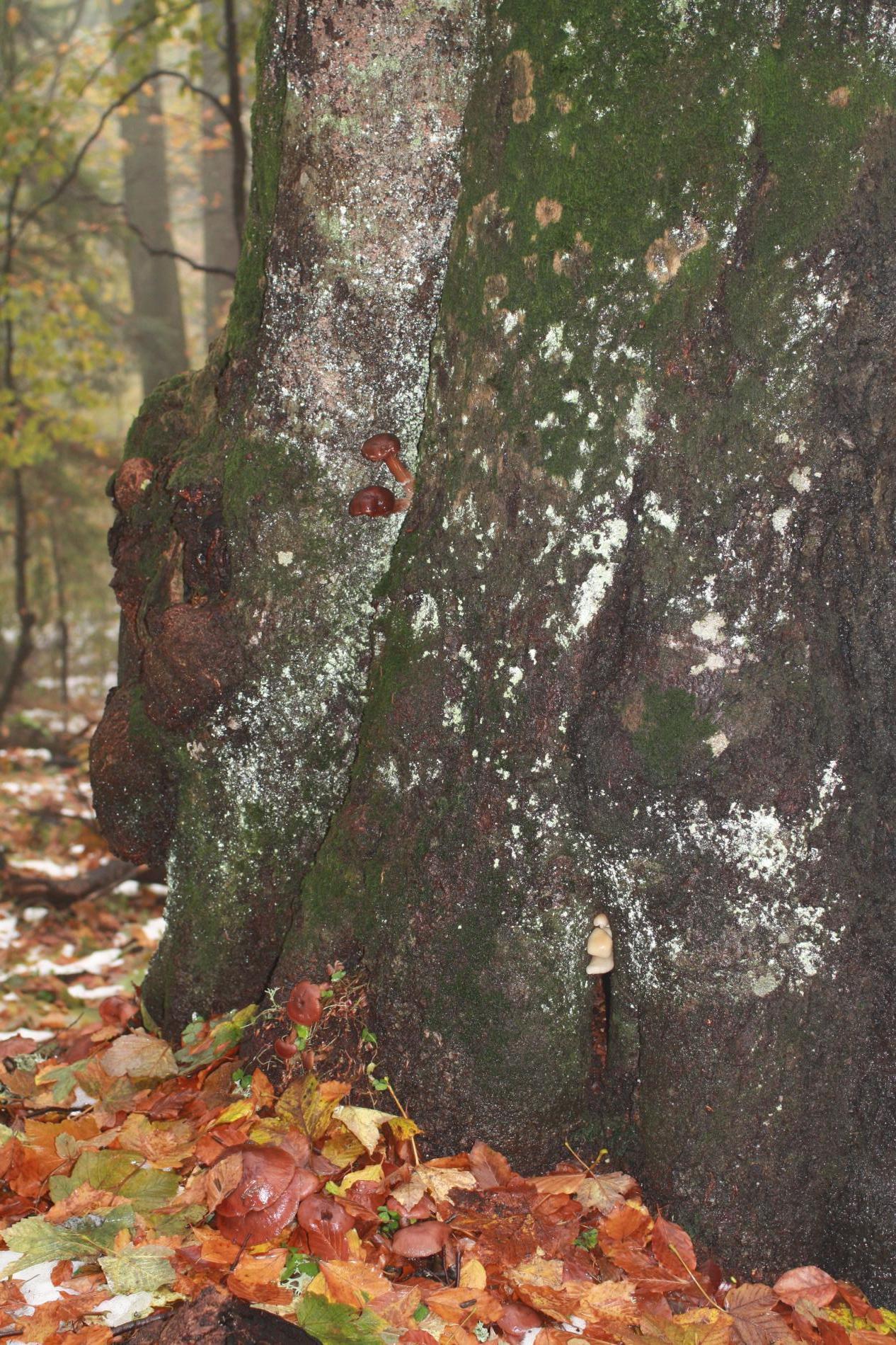
The fungus is spread by release of its spores from fruiting bodies in autumn and rhizomorphs which can also penetrate into intact underground roots all year long. The mycelium causes intense, fast-spreading white rot of sapwood. It colonizes mostly roots and tree trunk bases. As the syrrocium can cause sudden death of the cambium, the infected tree dies shortly after infection. If the mycelium enters the sapwood conductive tissues and phloem without intensive syrrocium creation and without any symptoms (incubation period) the disease can remain unnoticed for a long time. The infection is revealed only when the trees begin to turn yellow and dry out, or when the fungus creates pale brown fruiting bodies in honey-yellow shades.
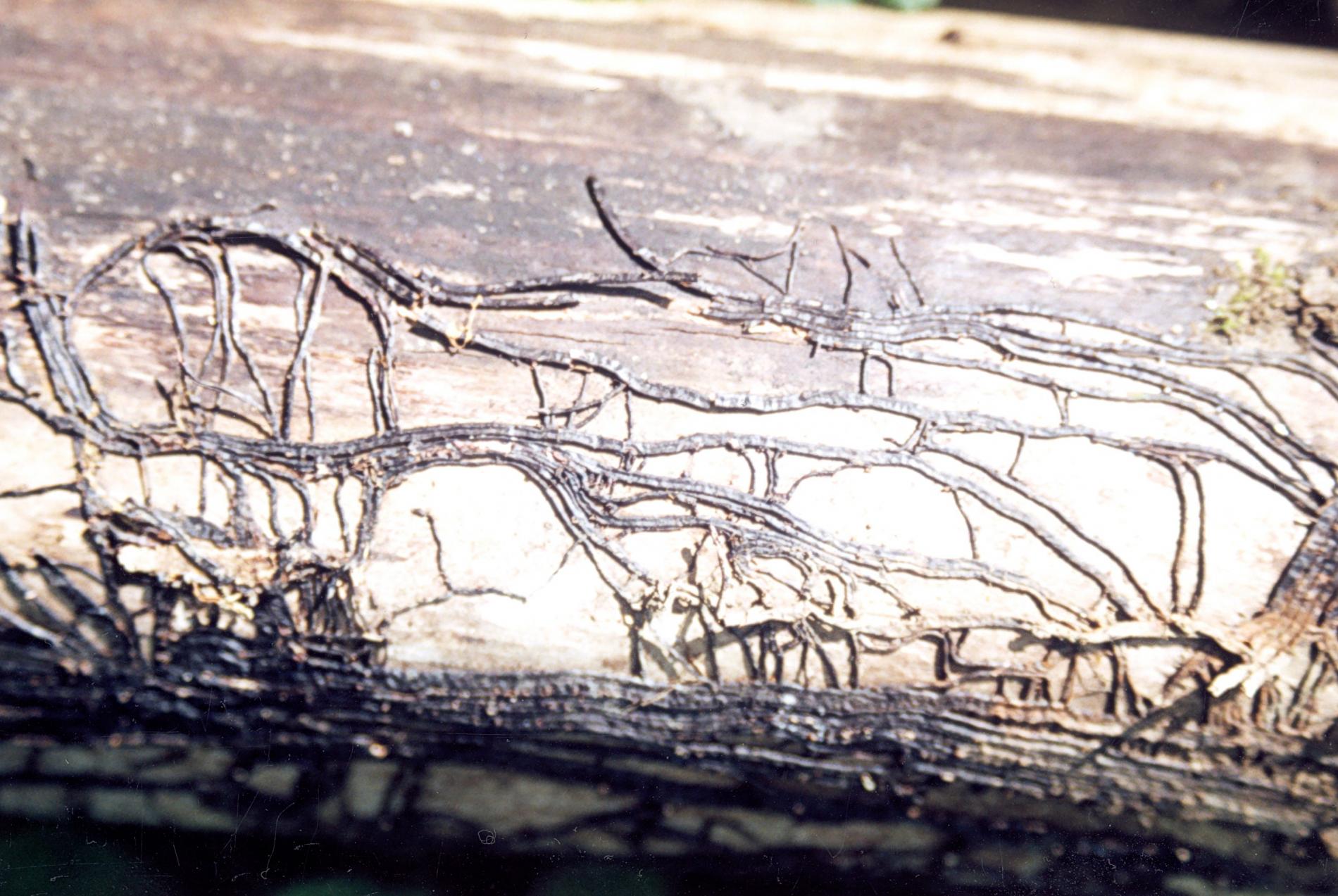
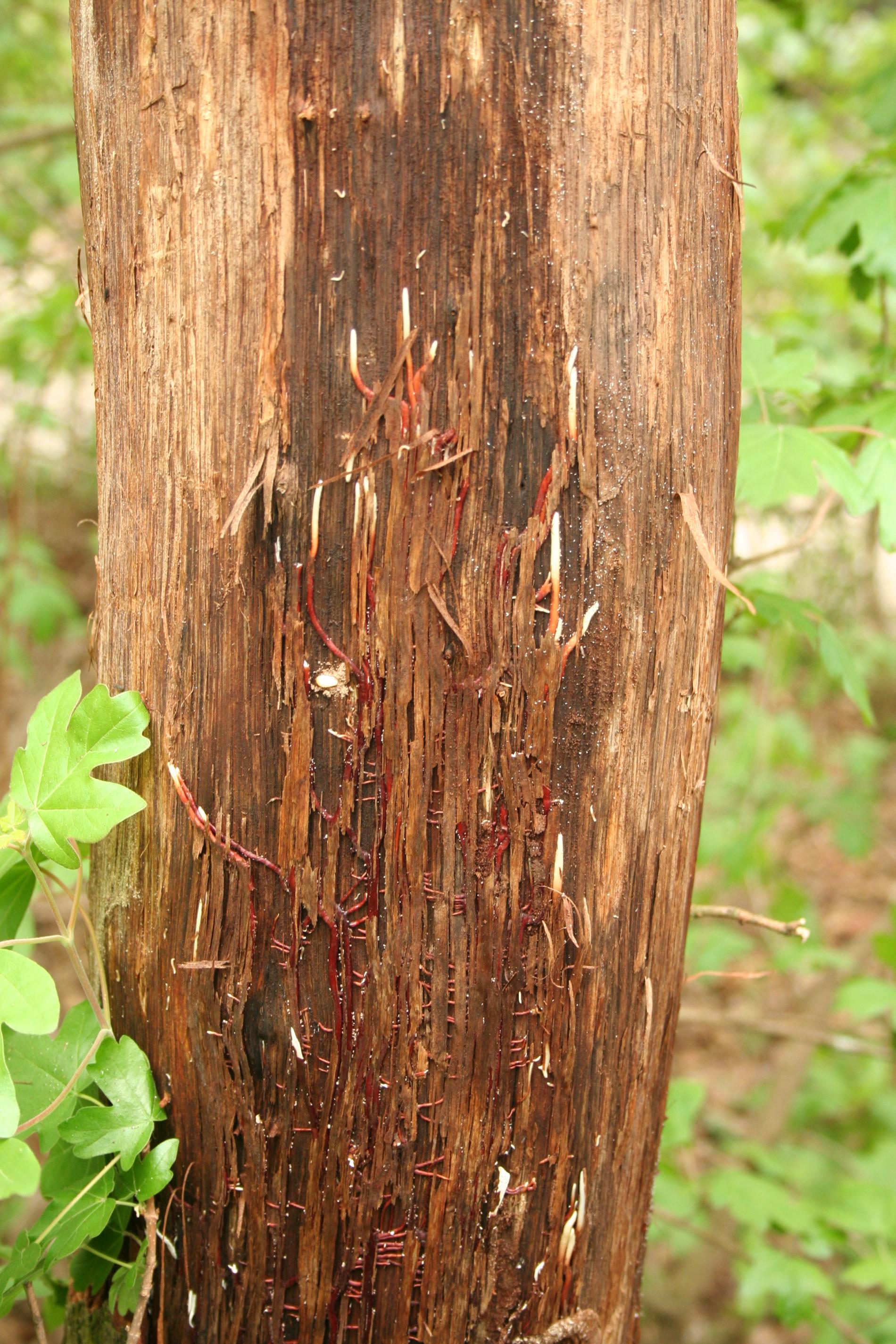
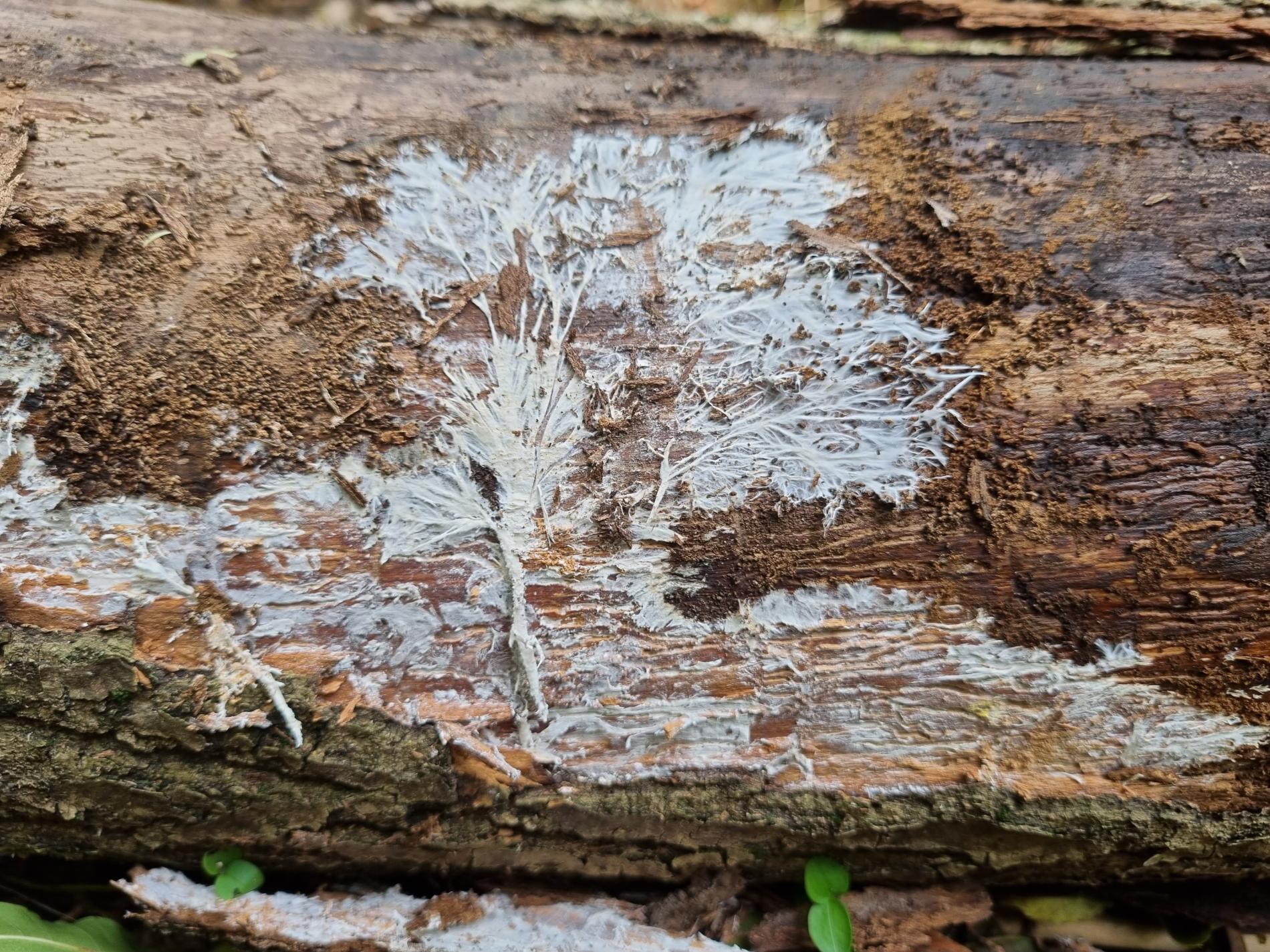
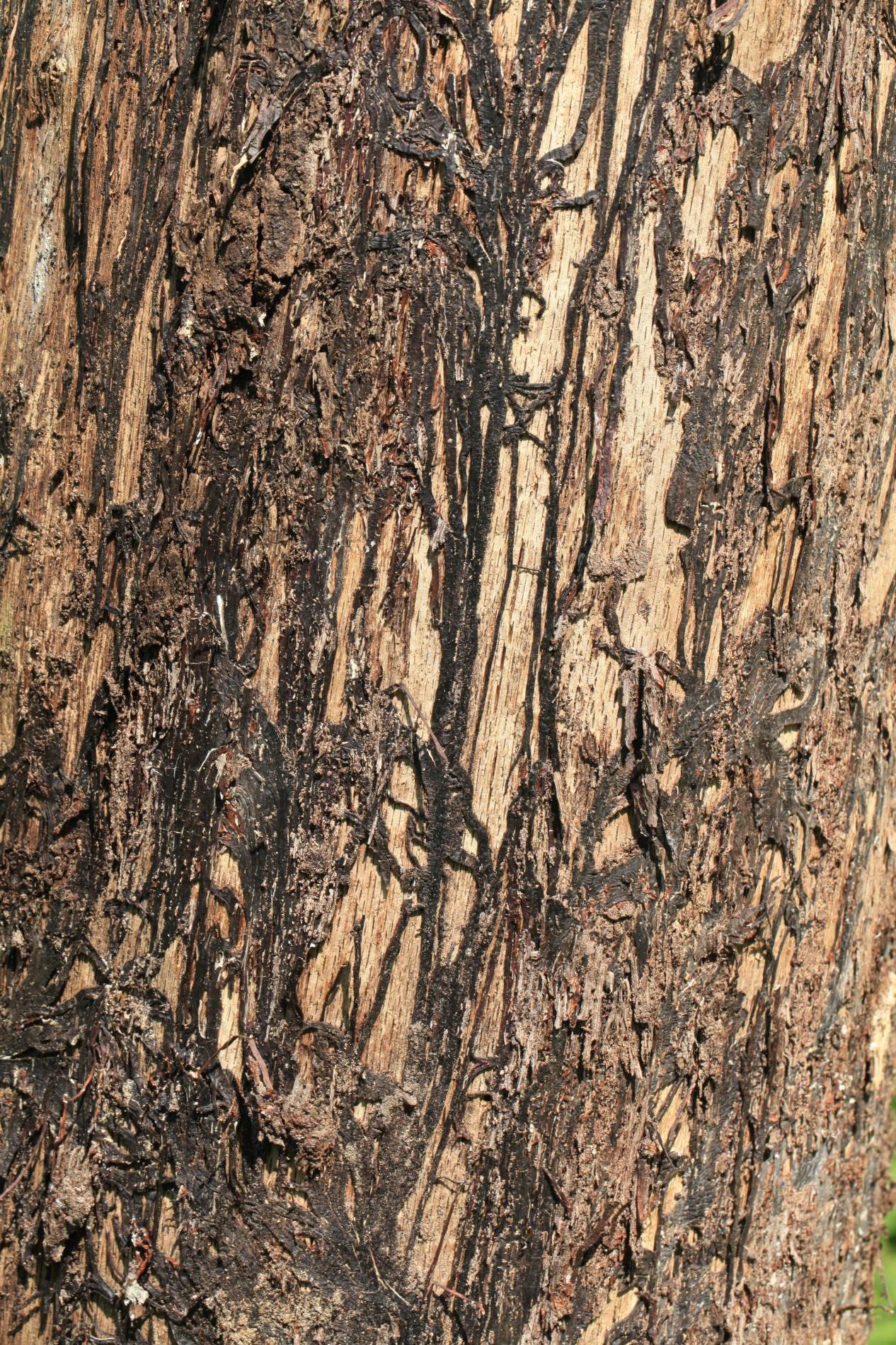
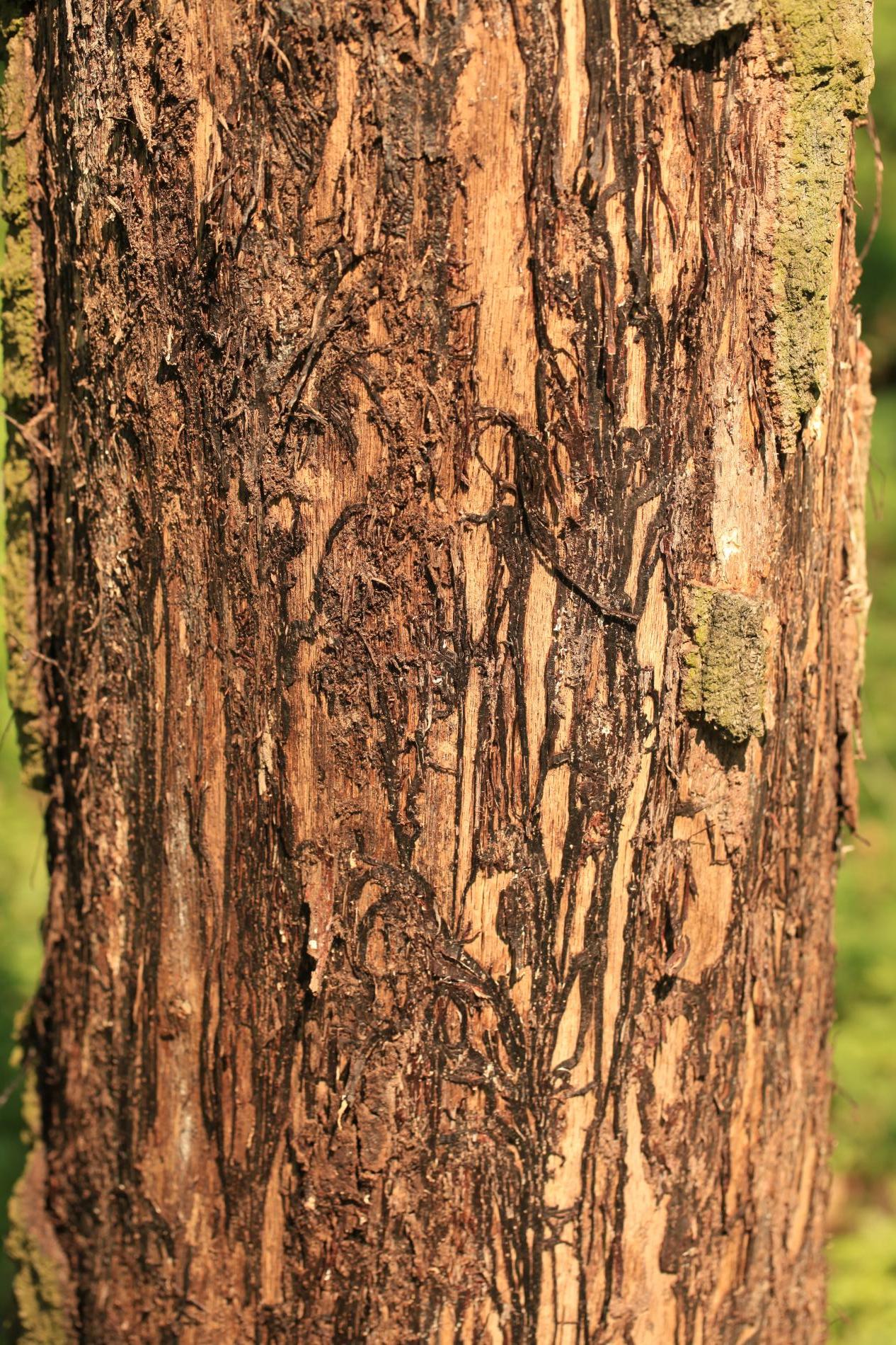
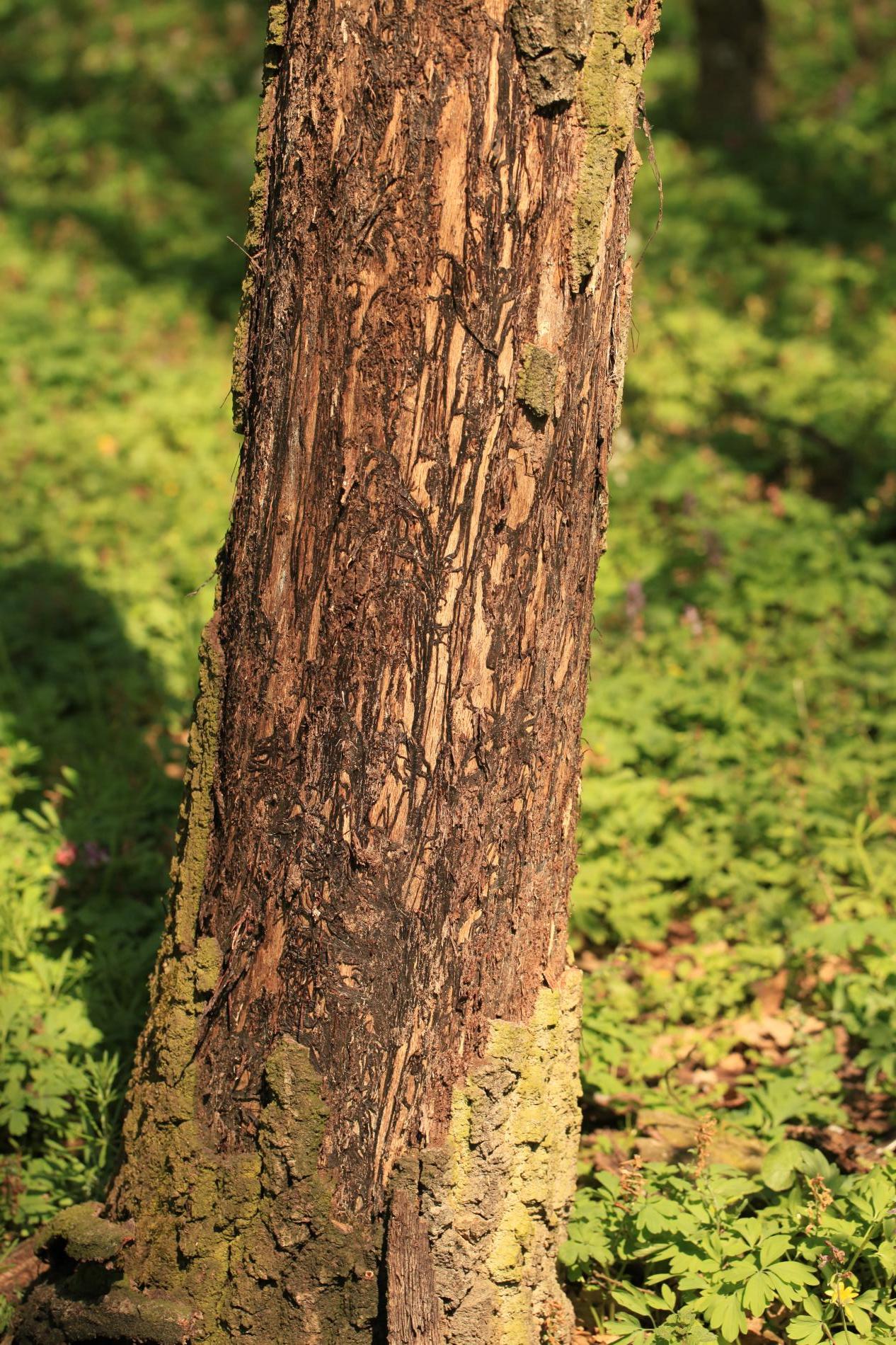
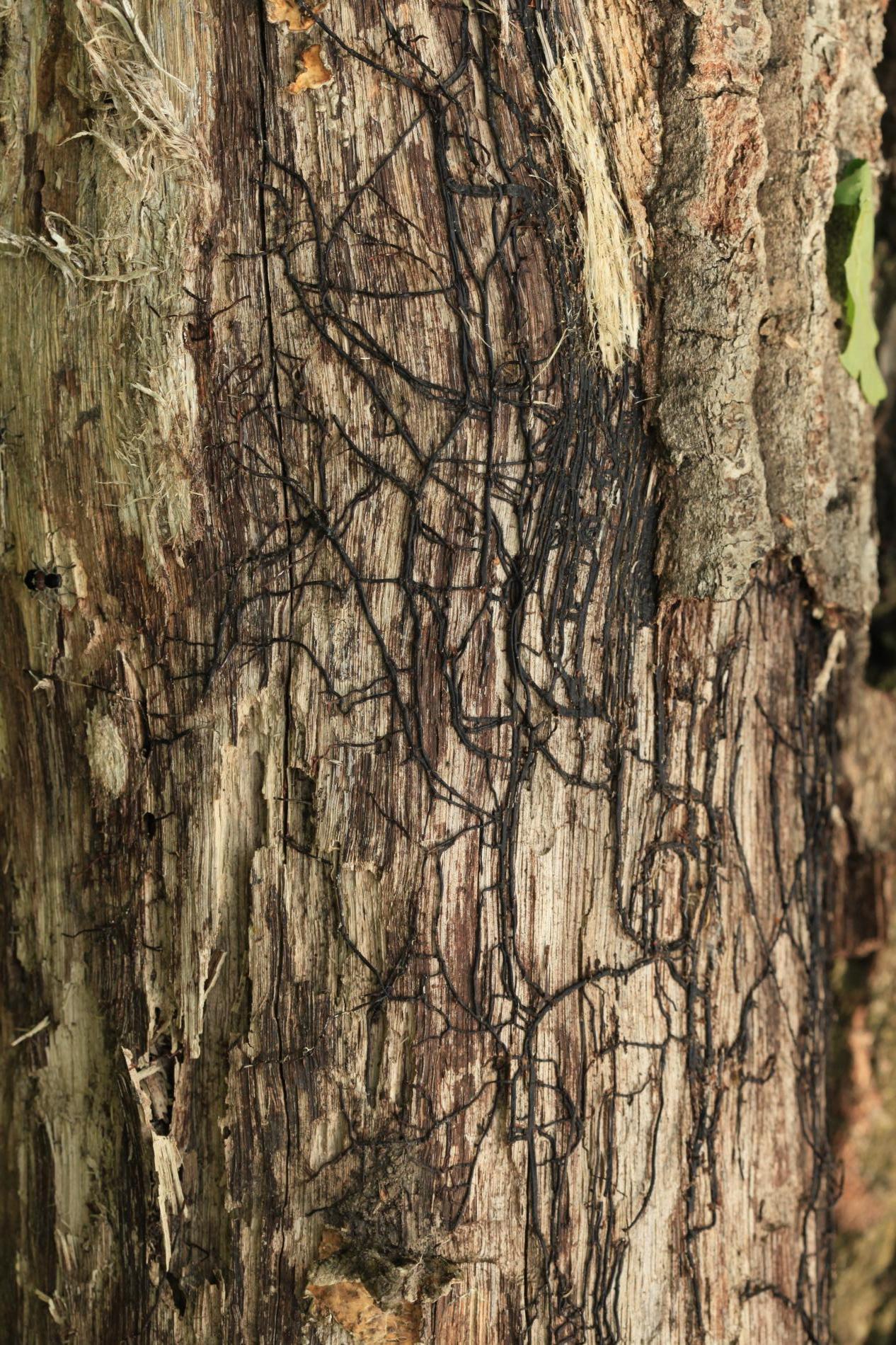
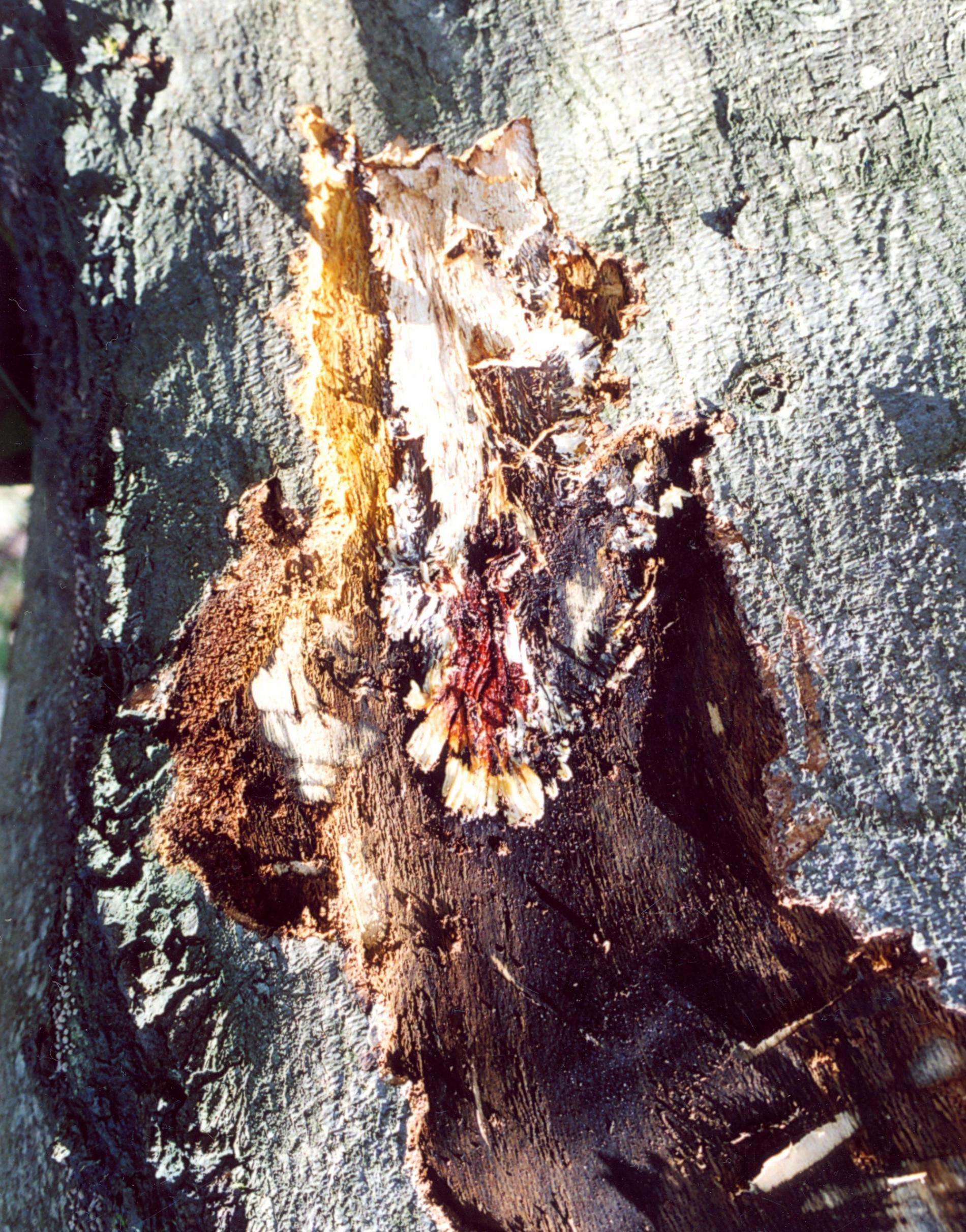
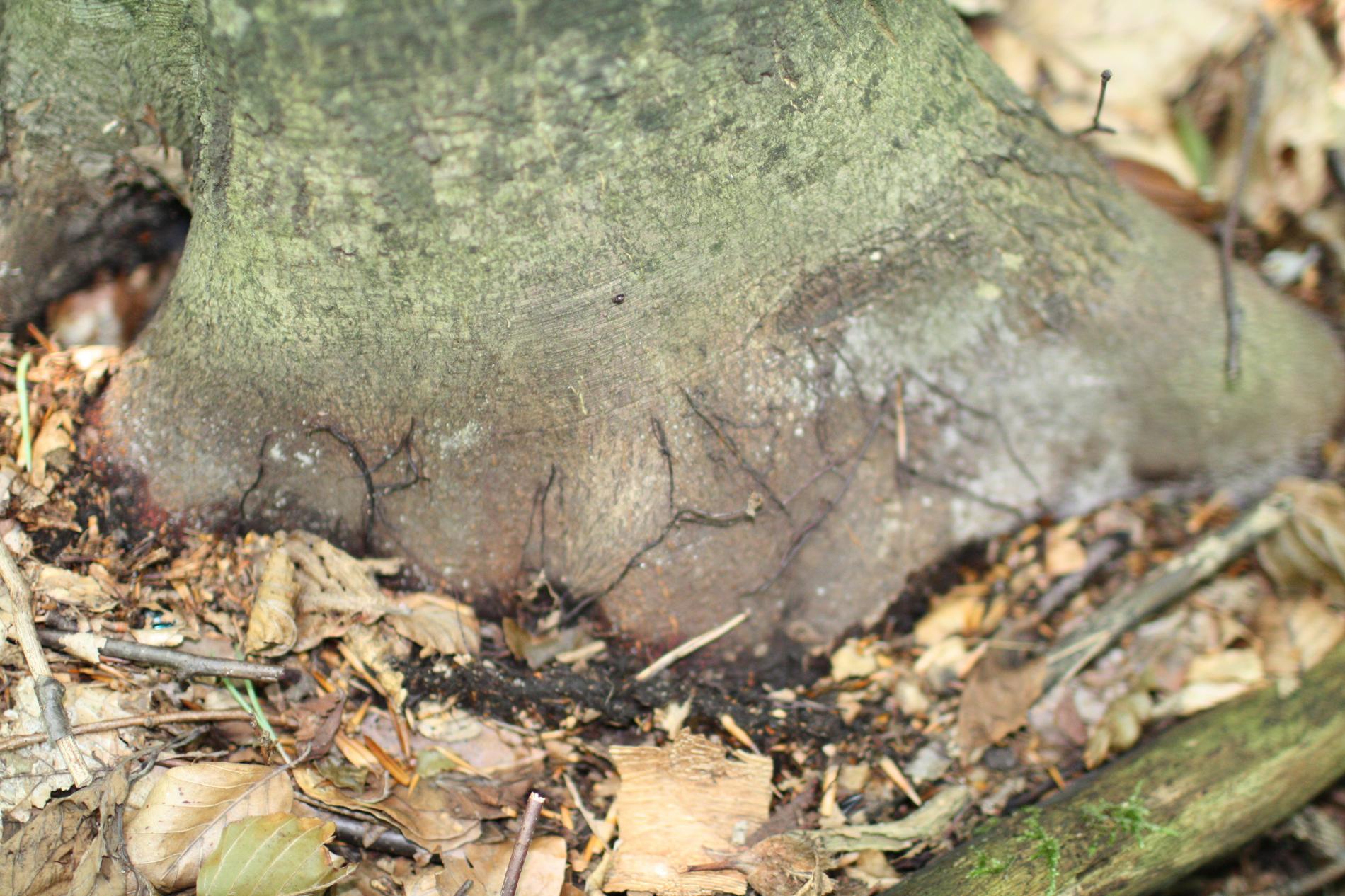
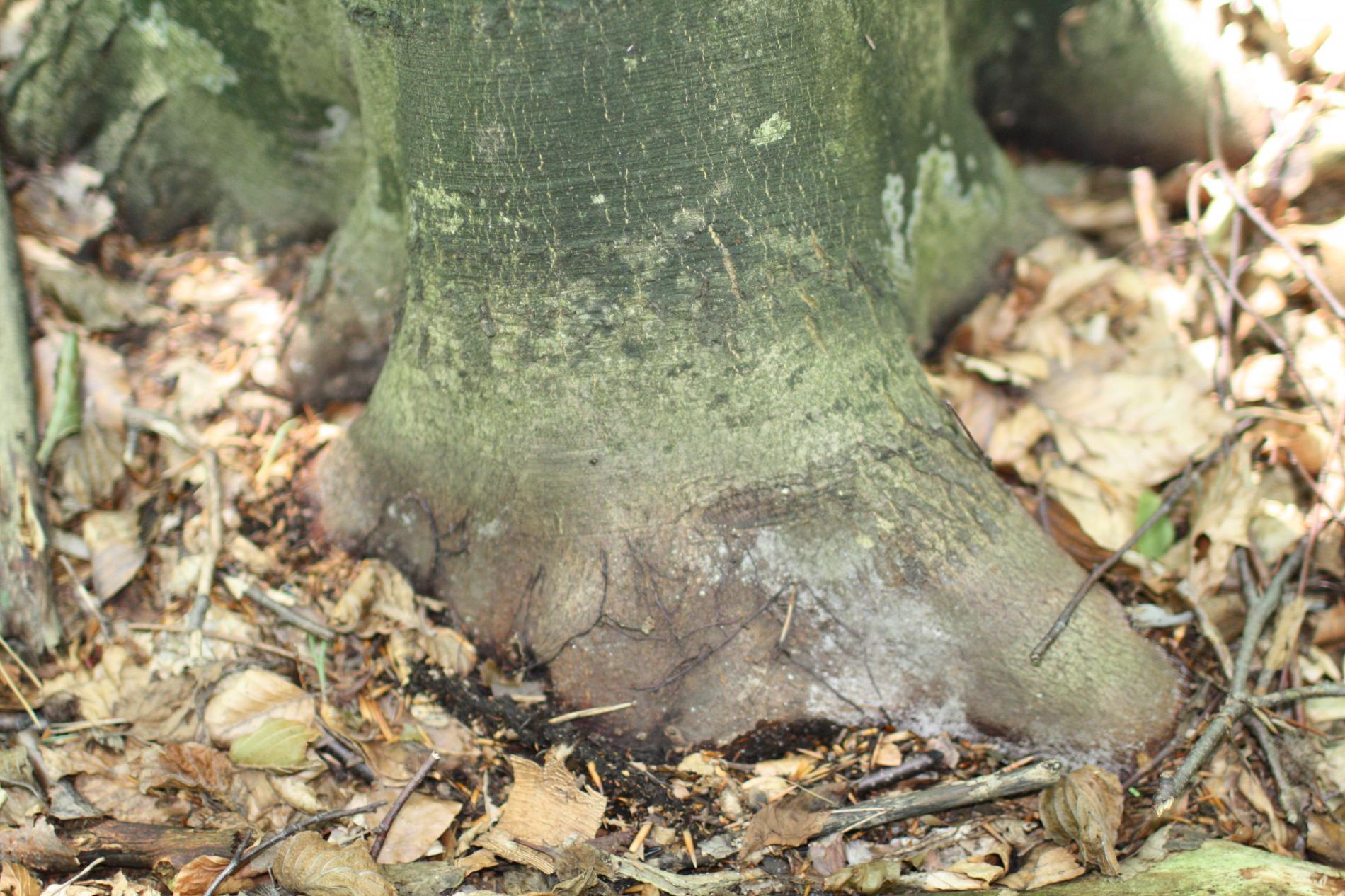
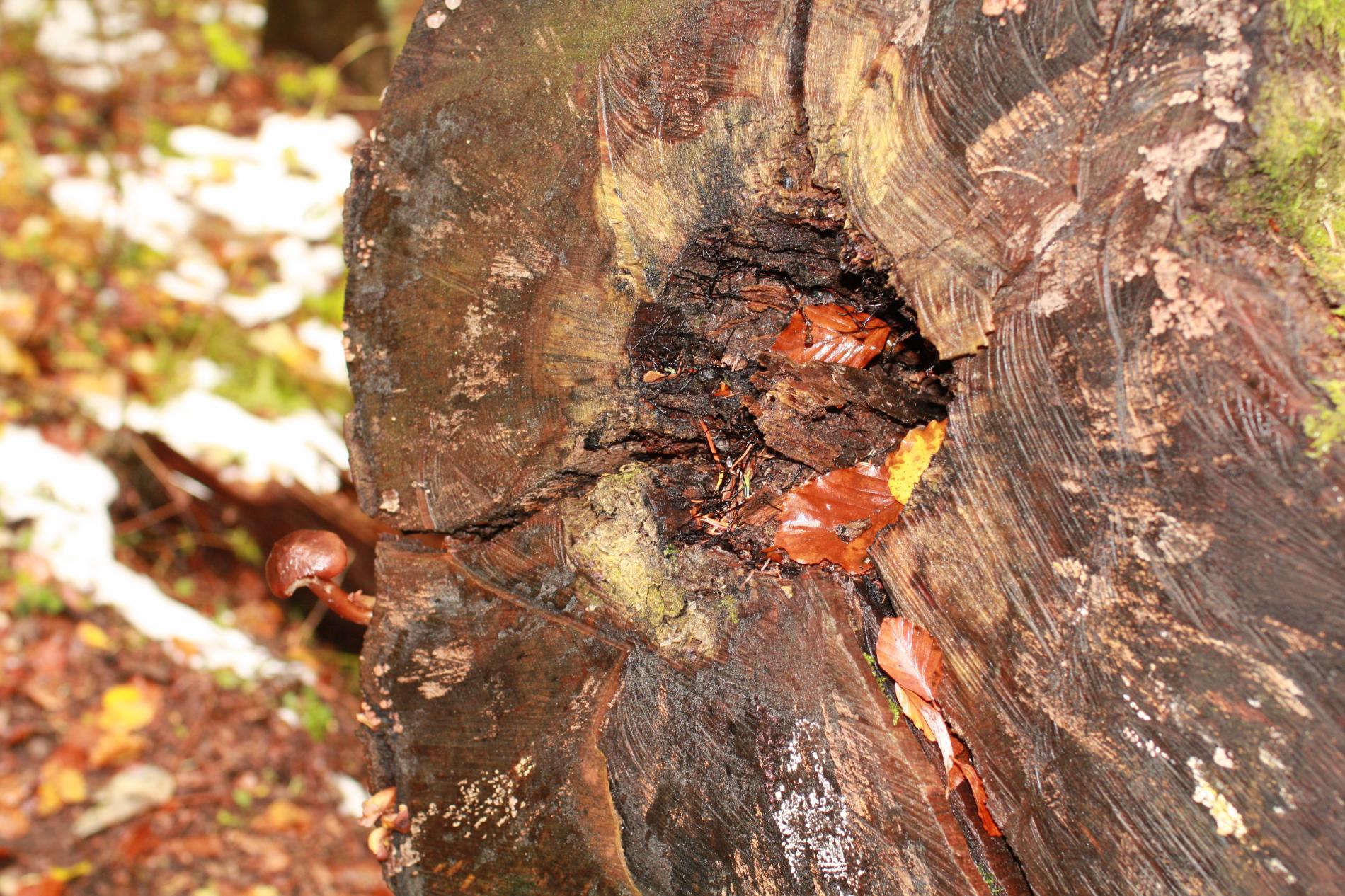
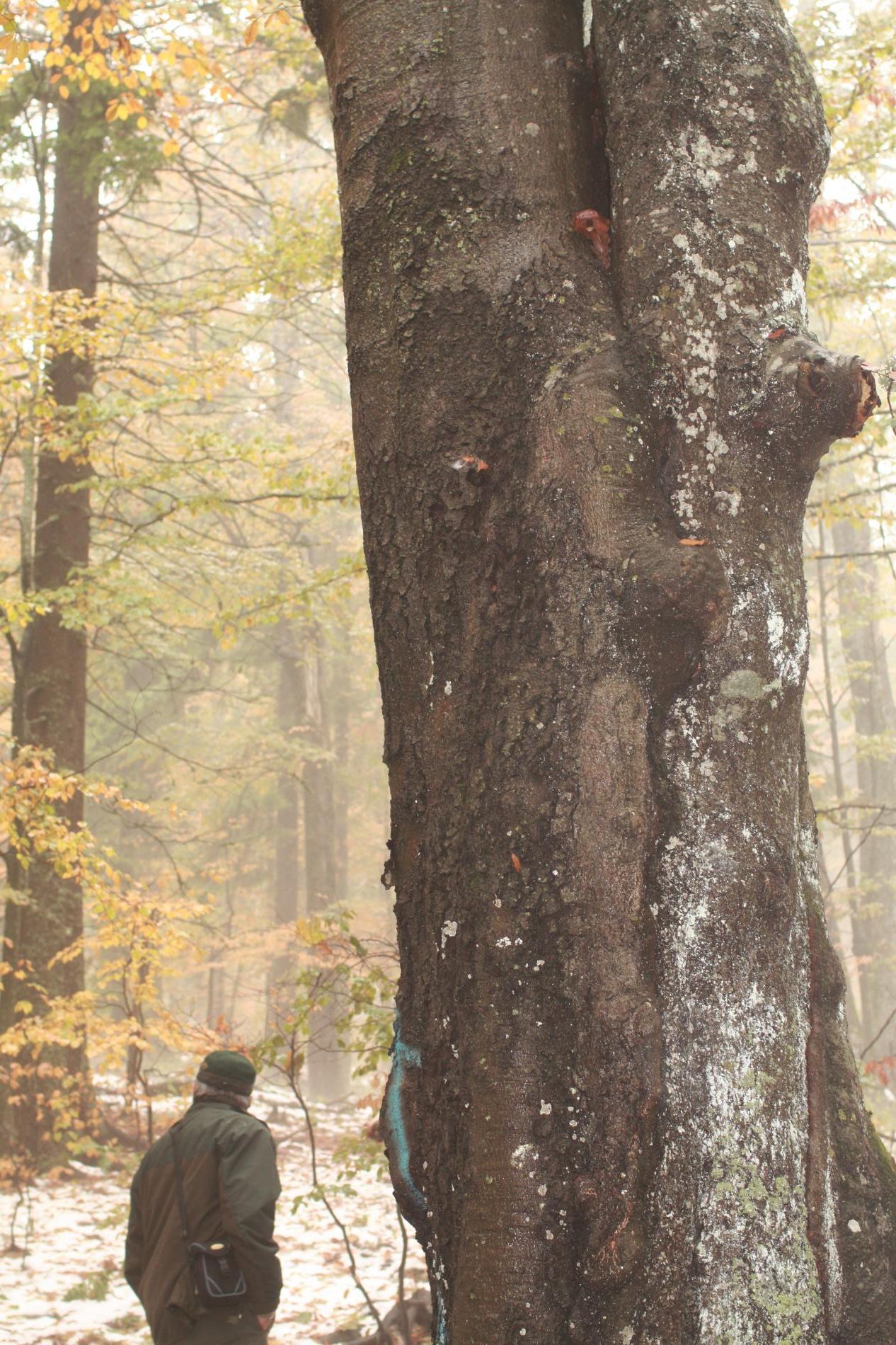
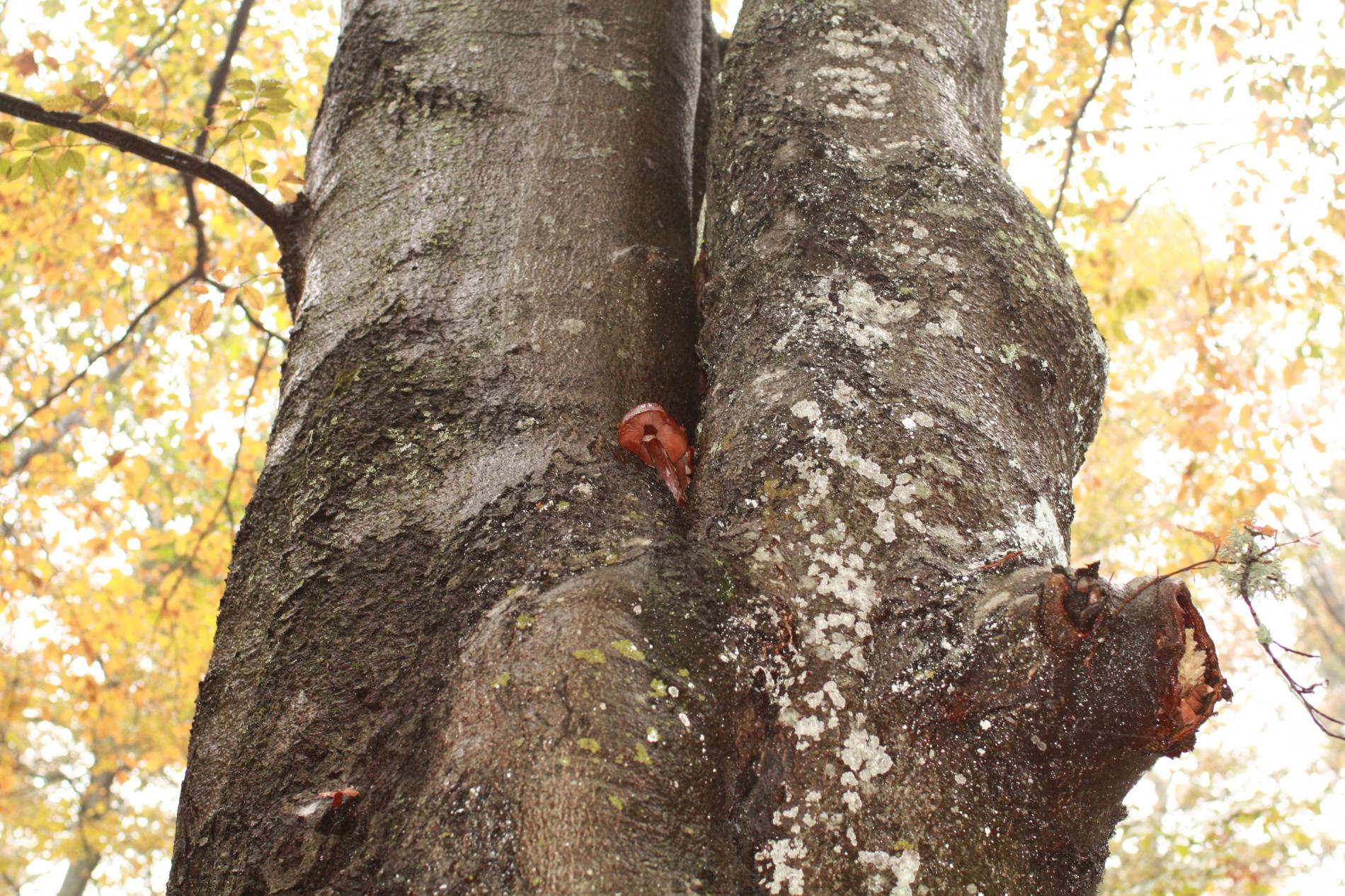
White coatings and brown twine-shaped formations under the bark, in autumn the presence of fruiting bodies at the roots, trunks and stems.
Tree Species: Black Locust, Elm, Beech, Oak, Maple, Poplar
Part of a plant- attacked: Tree trunk
Pest significance: Harmful
Pest Category: Fungi
Invasive Species: No
Present in EU: Yes
Pest group: Fungi
Affected part of wood: Heartwood, Sapwood
Depth of damages: More than 5 cm depth, Under bark only, Up to 0,5 cm depth, Up to 2 cm depth, Up to 5 cm depth
The extent of damage: Whole trunk
Prevalence in Europe: Very common
Damaged products: Firewood, Fresh timber logs (water still in the sapwood), Furniture, Lumber, boards and prisms, Wood chips, Wooden house constructions
Roundwood size: Diameter 50+, Diameter from 10 up to 50 cm
Wood discoloration: Yes
Pest subcategory: White-rot
Similar pests

Armillaria gallica

Pleurotus pulmonarius
