


Agrilus sinuatus
Sinuate pear tree borer
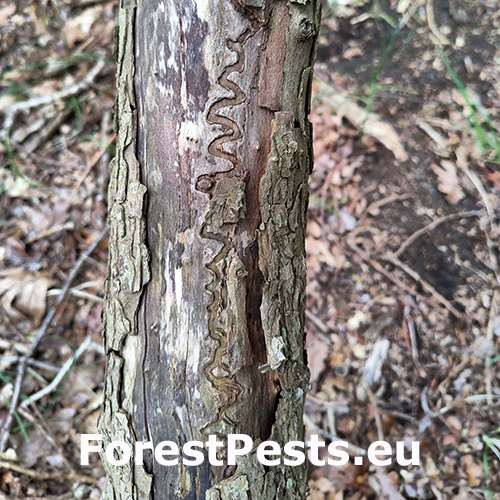
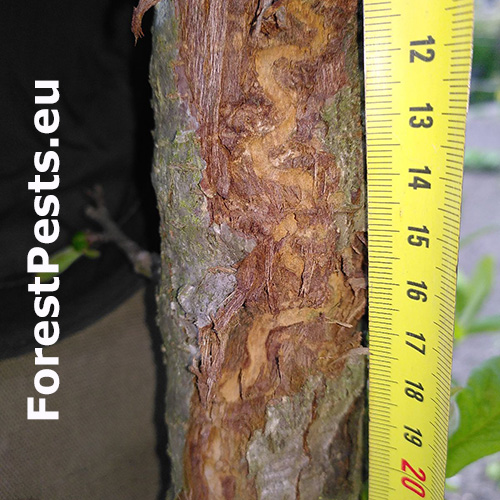
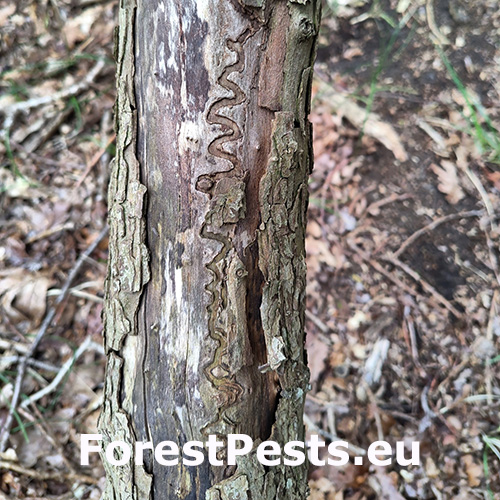
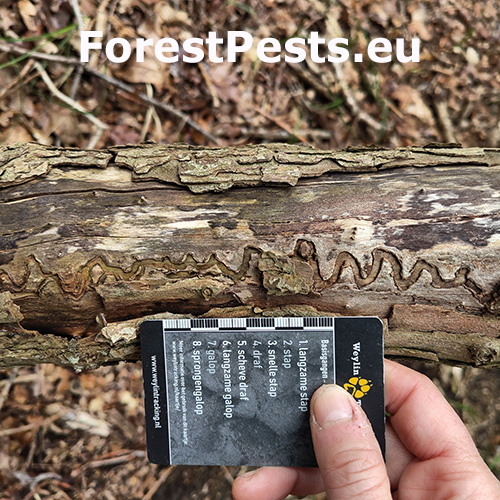
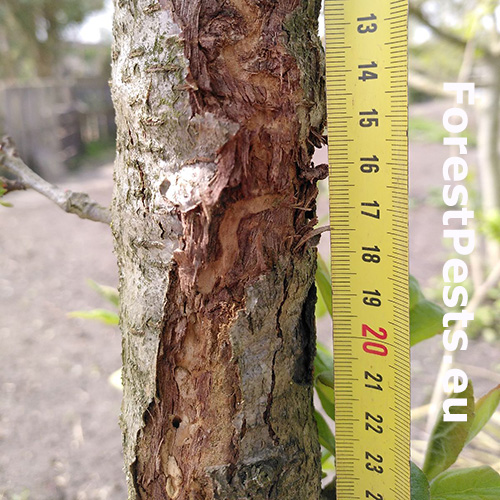
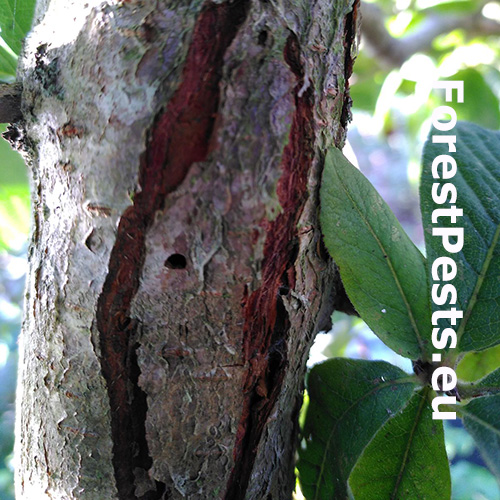
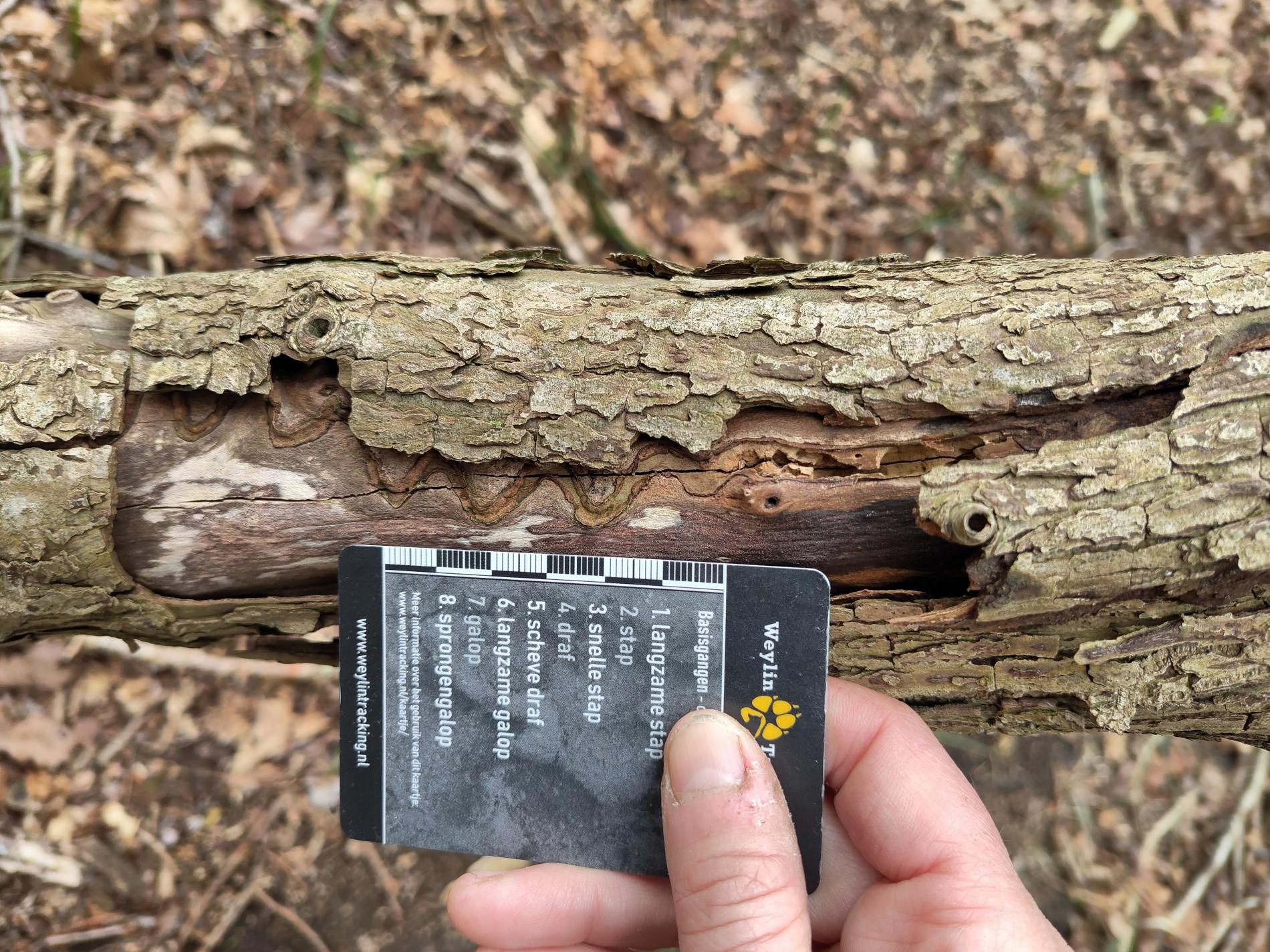
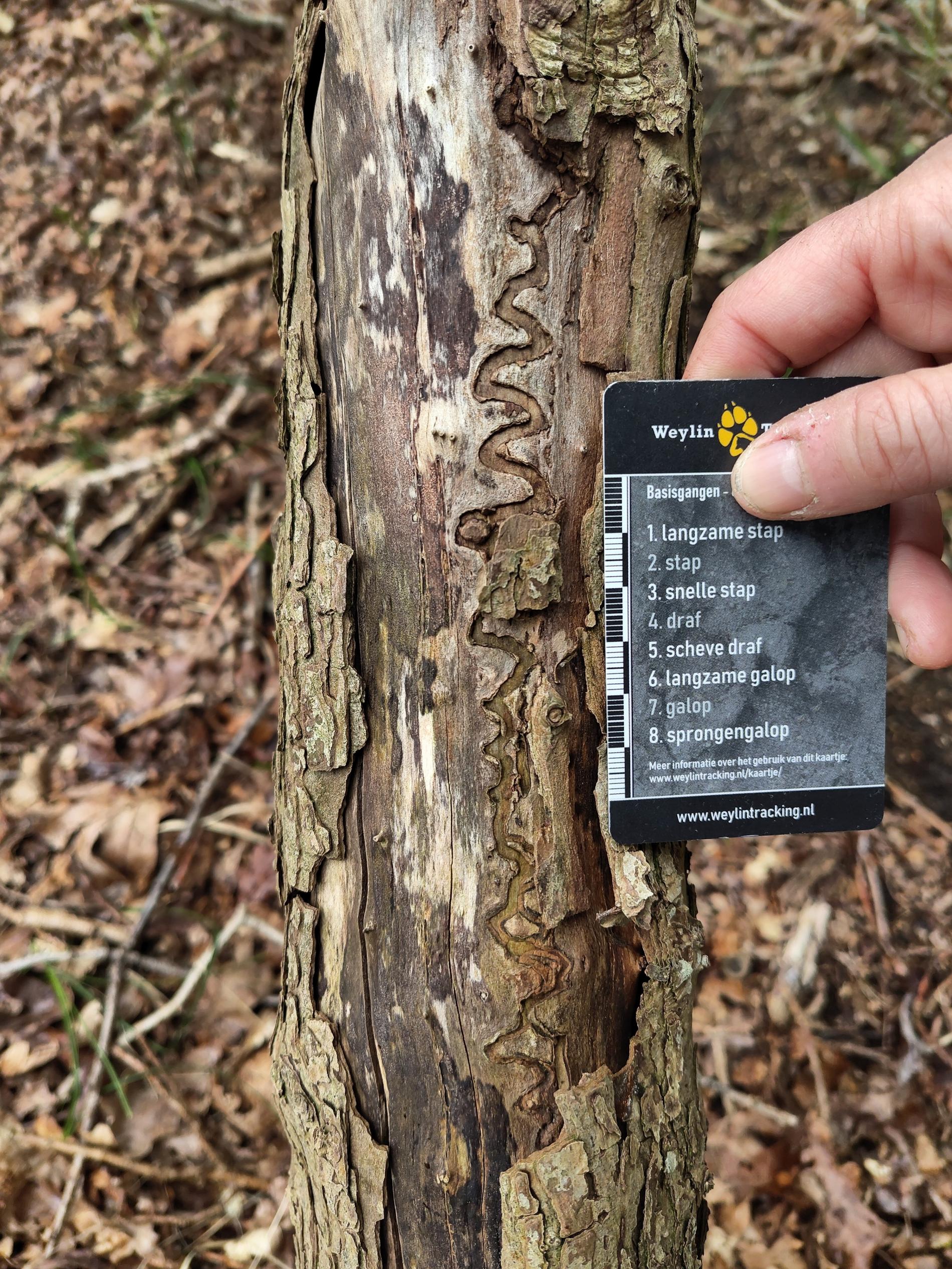
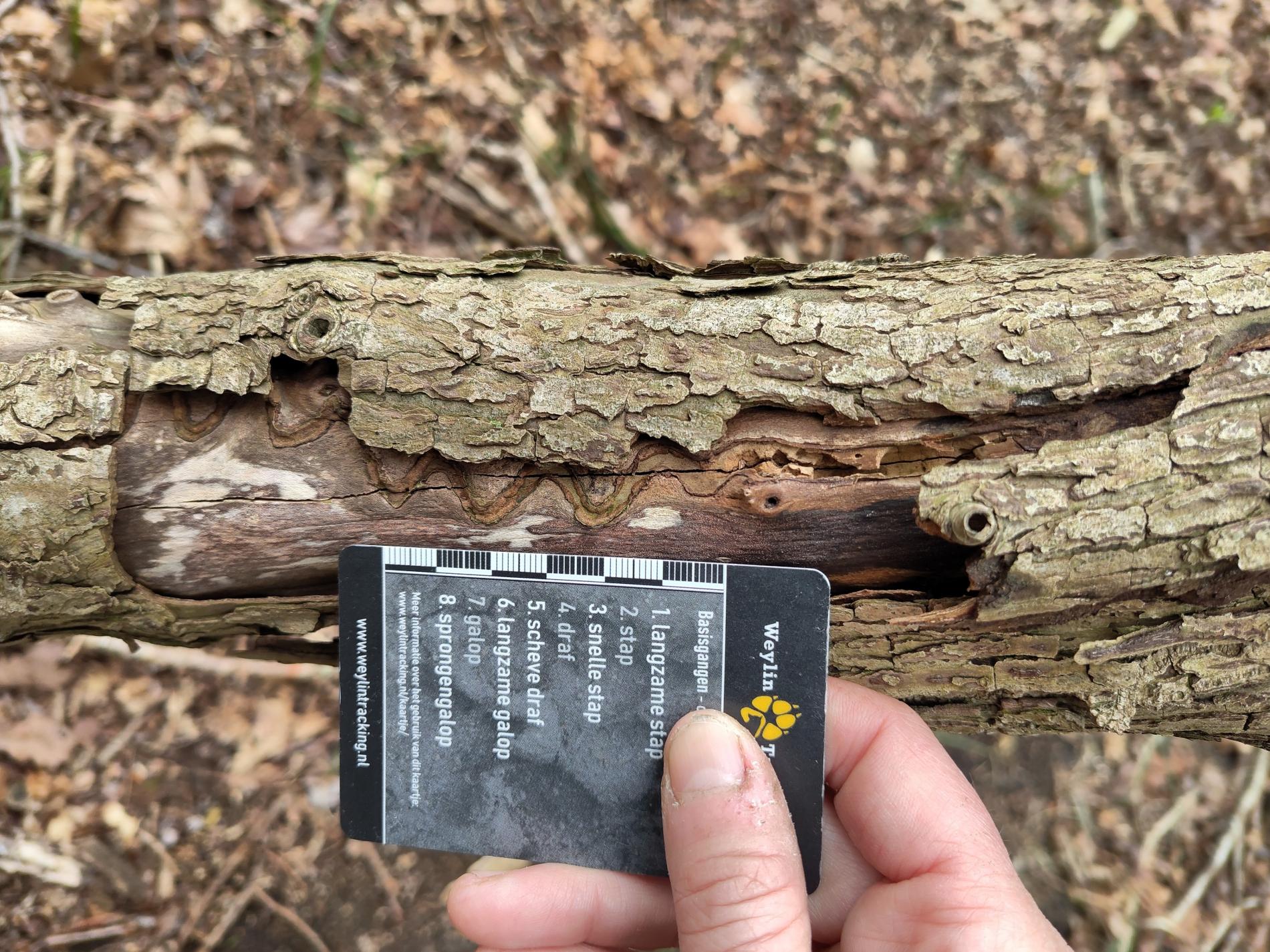
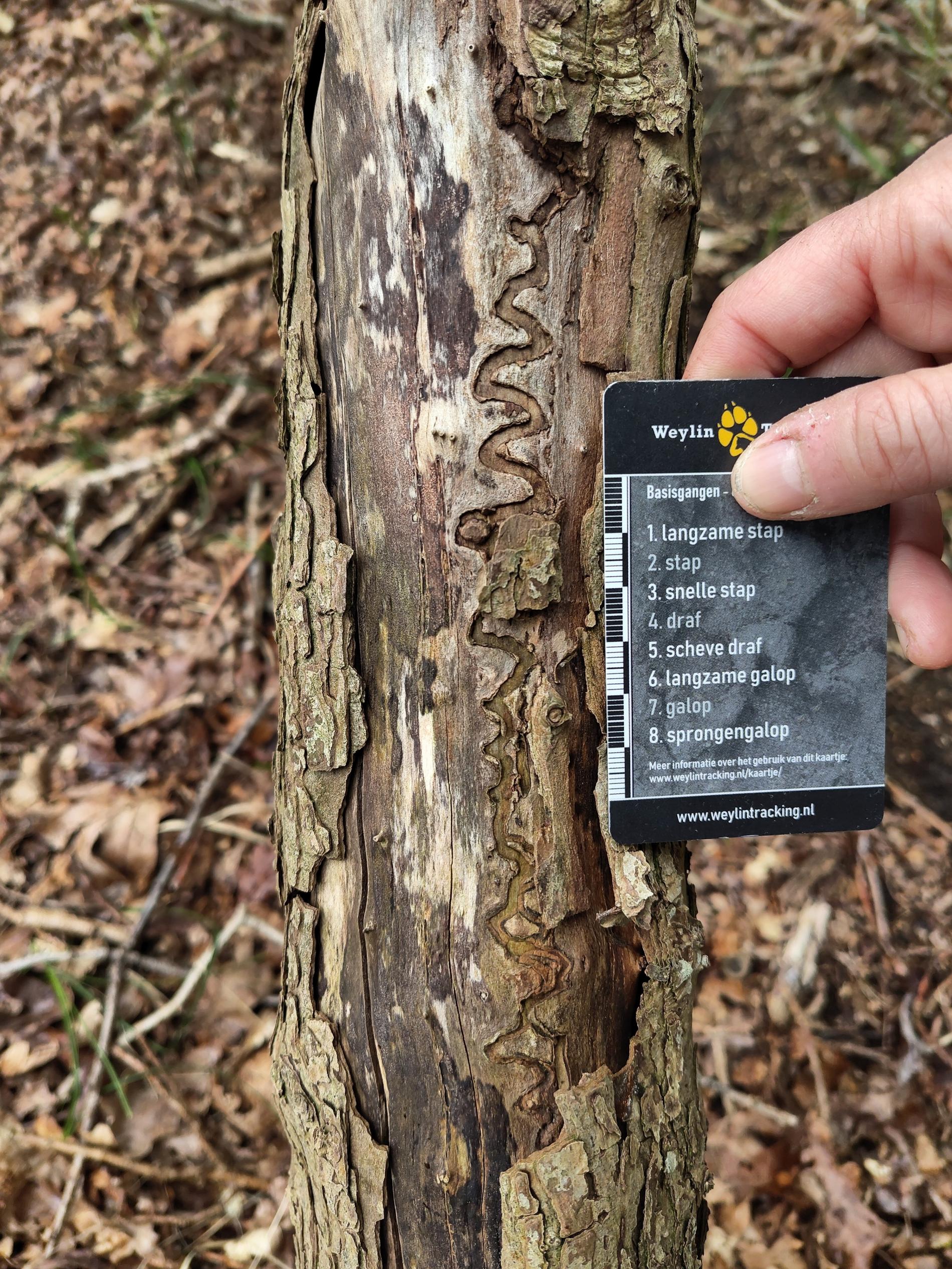
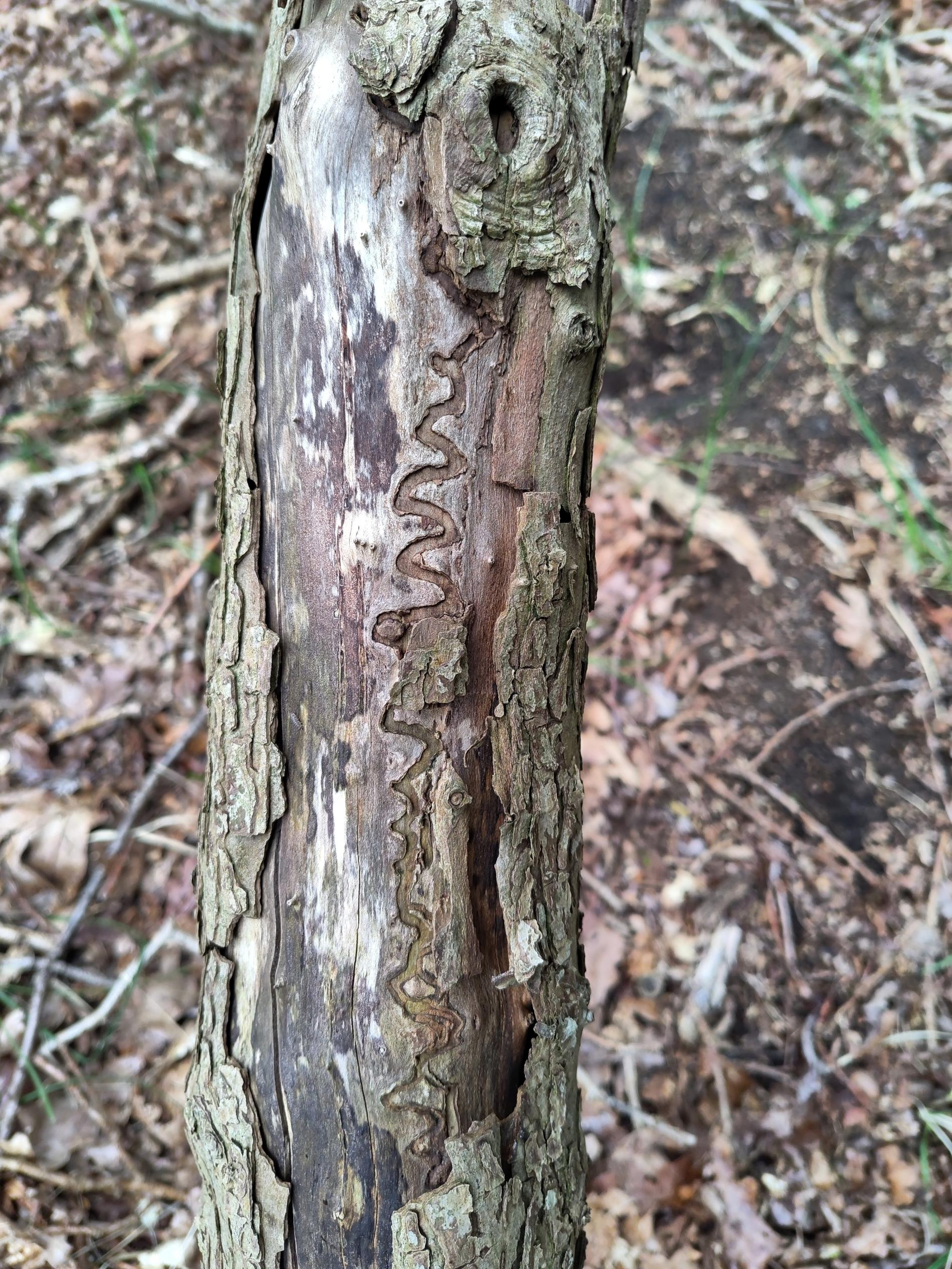
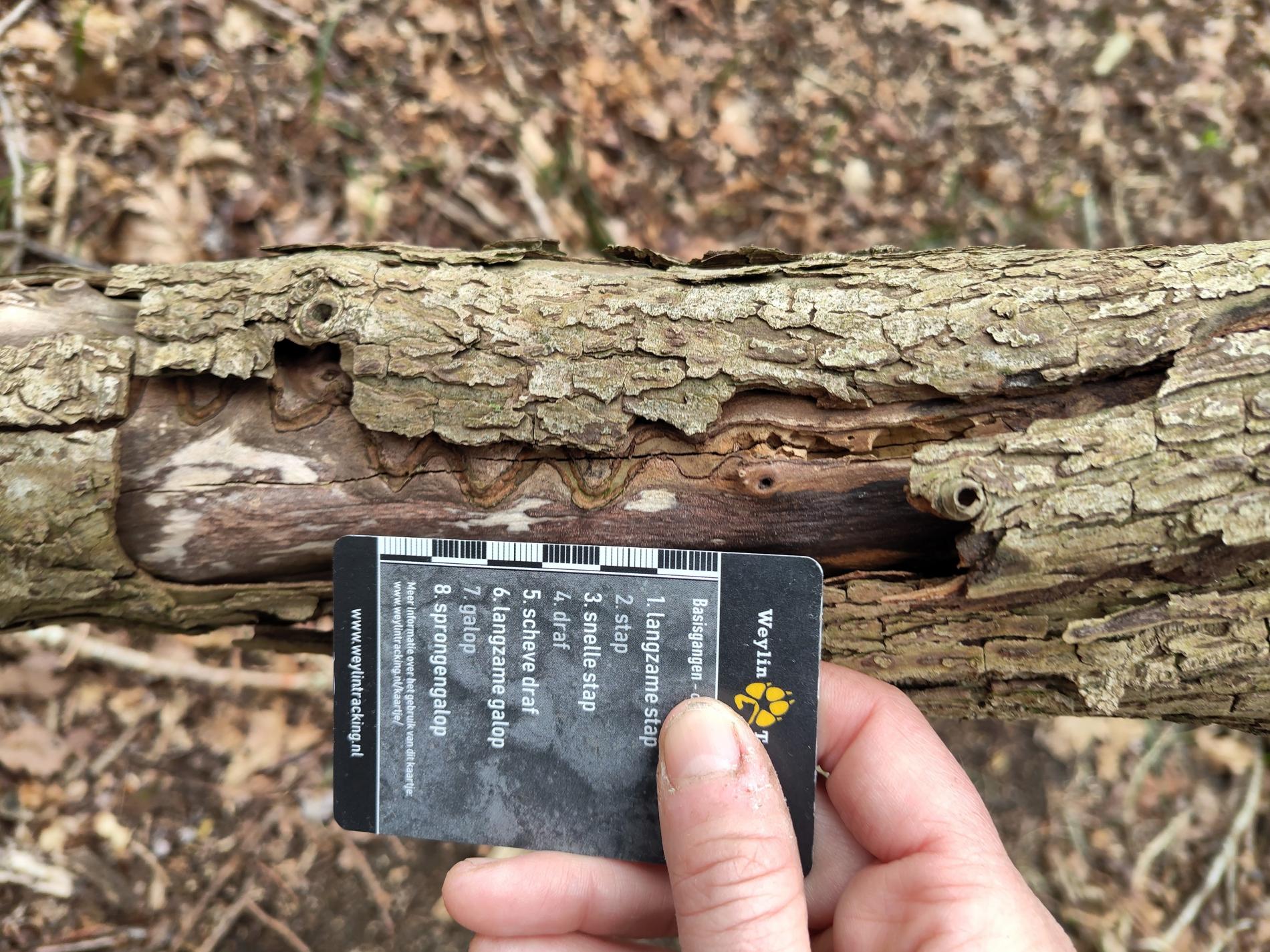
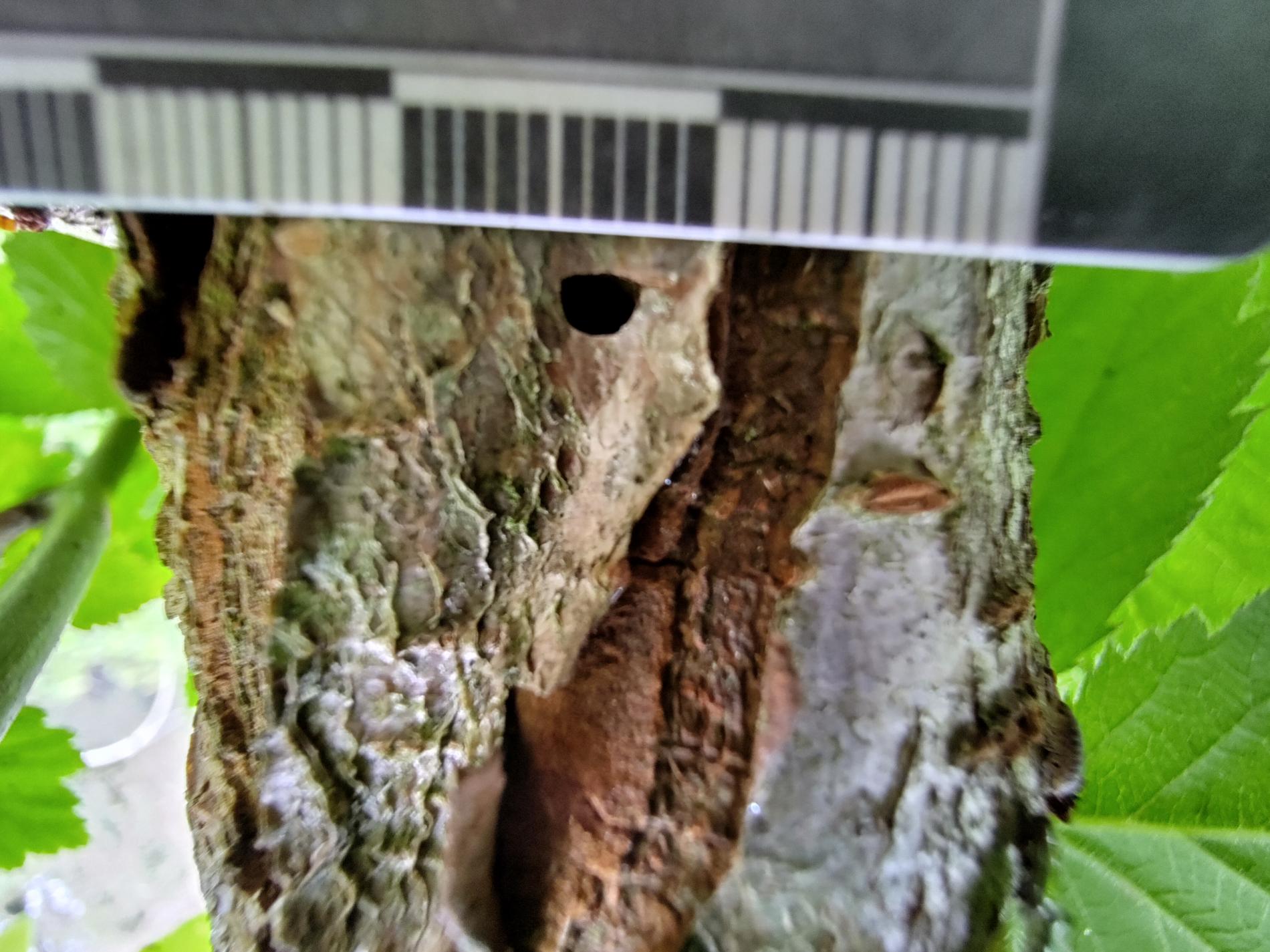
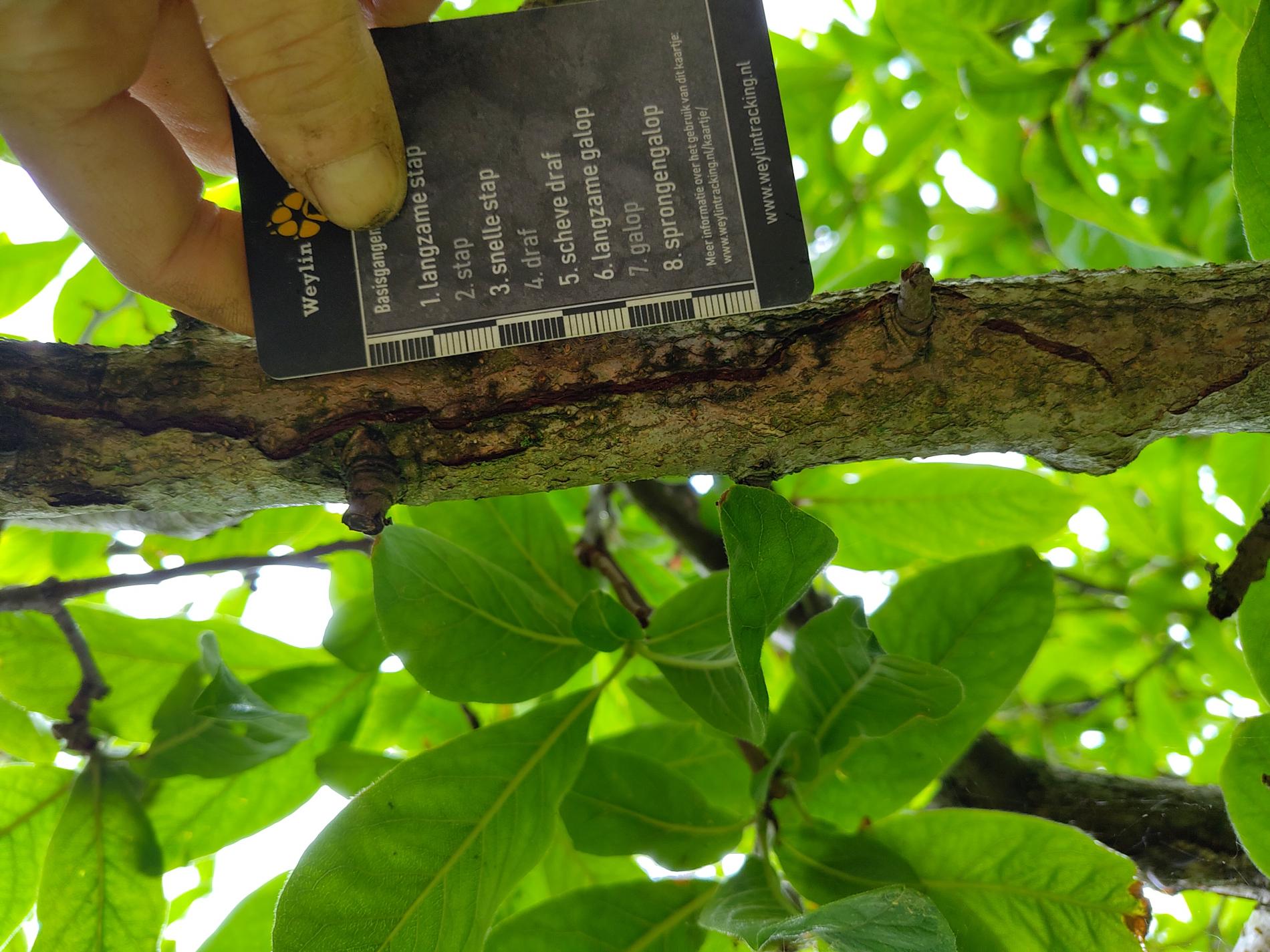
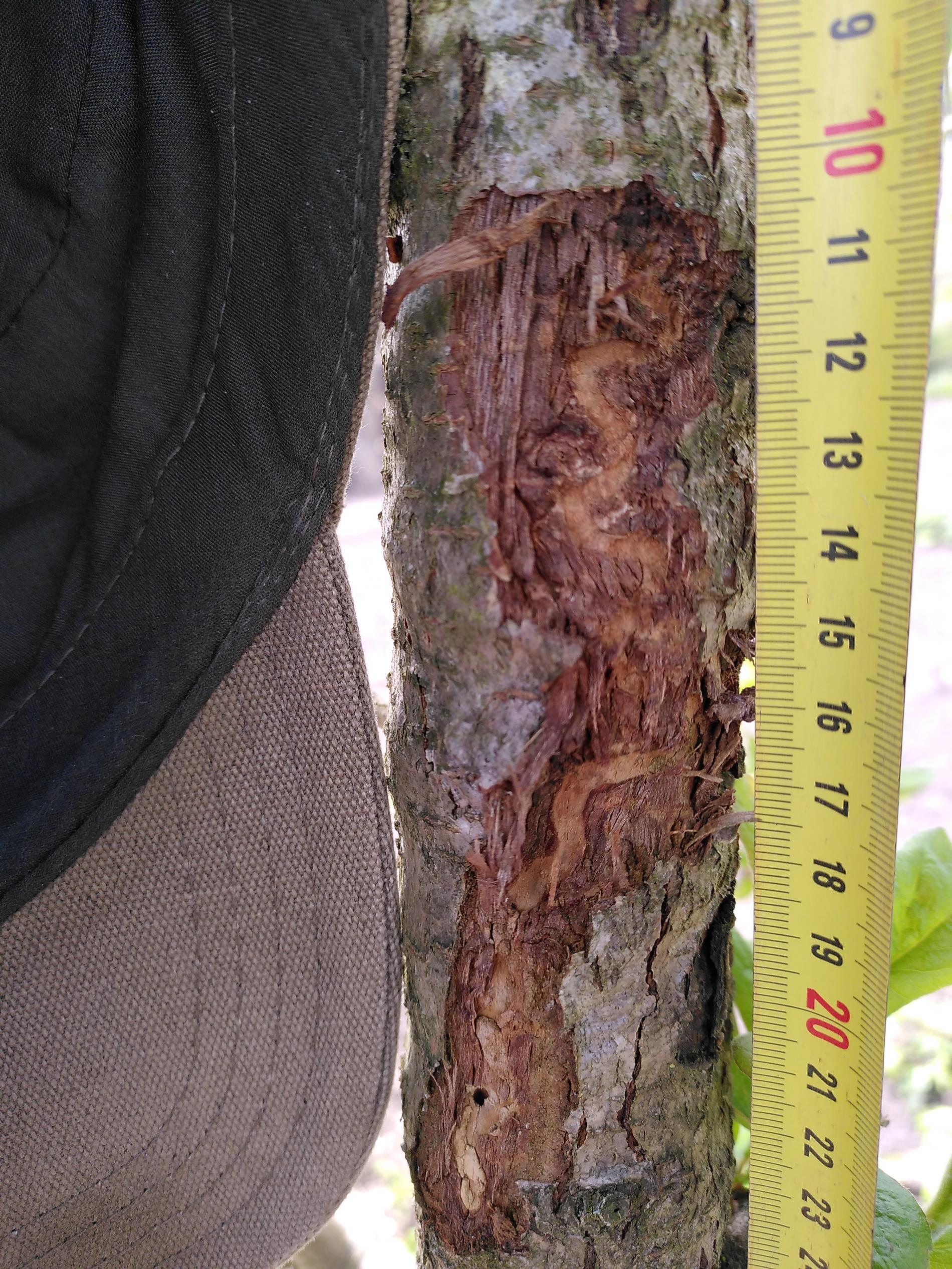
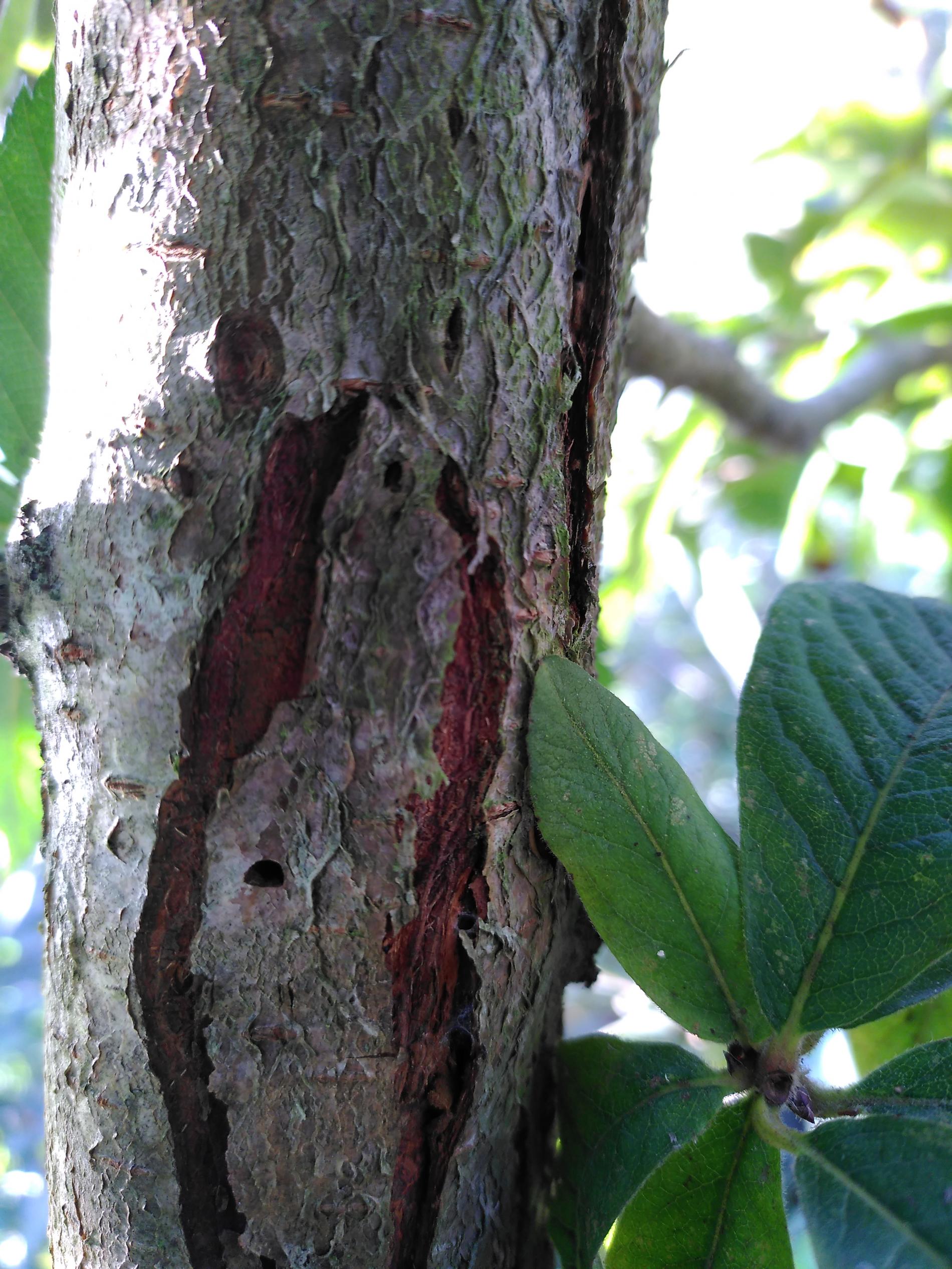
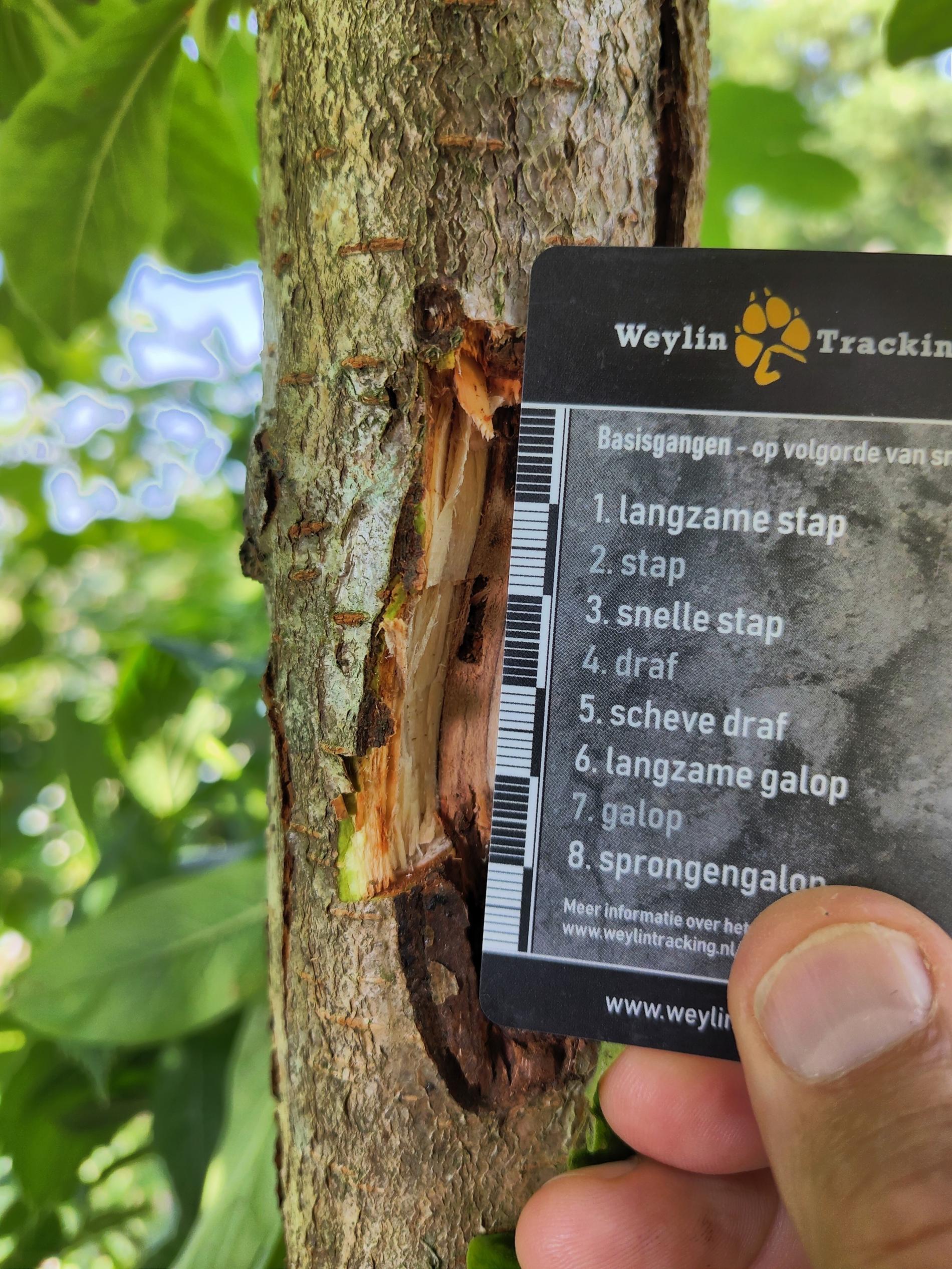
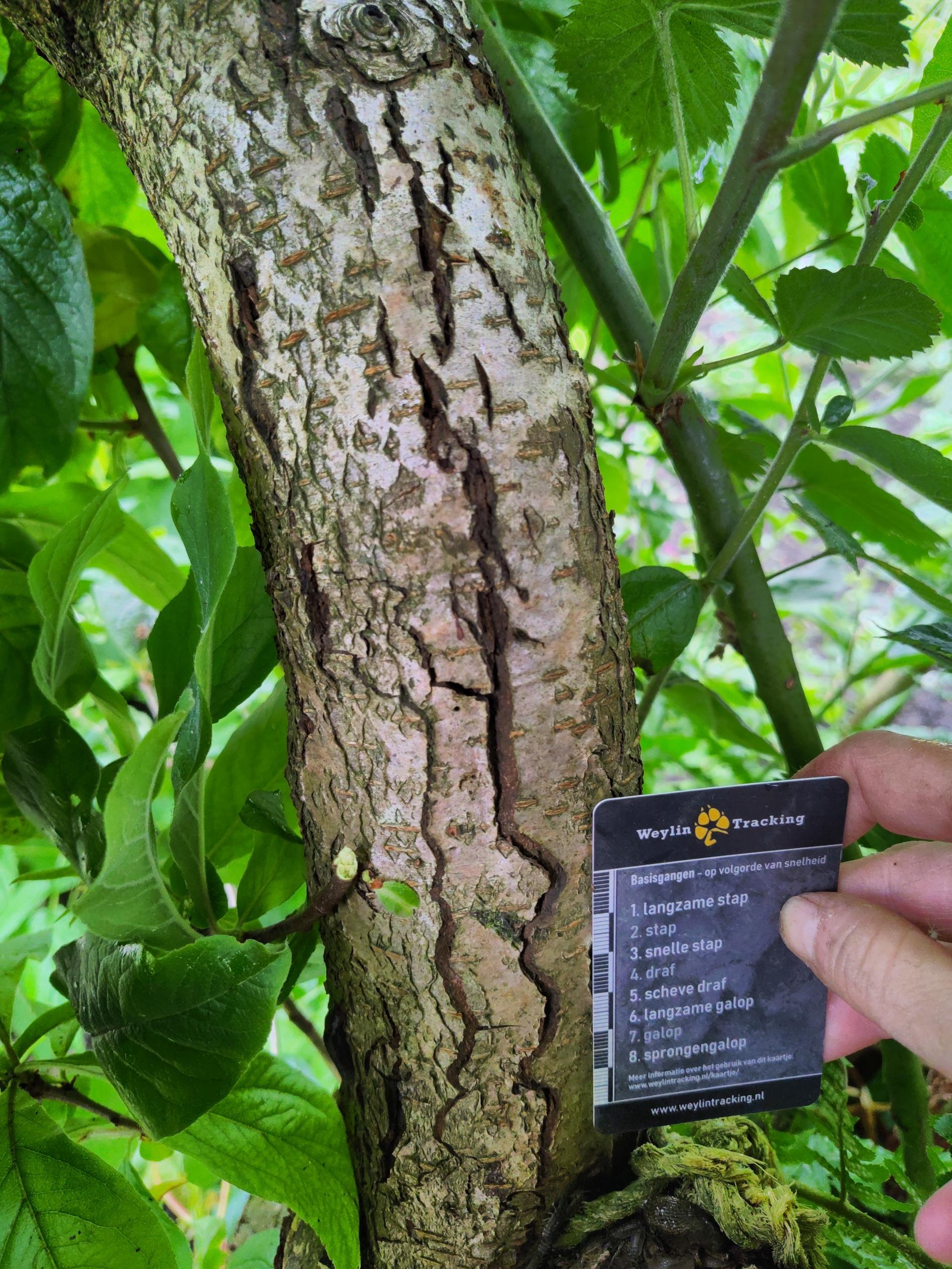
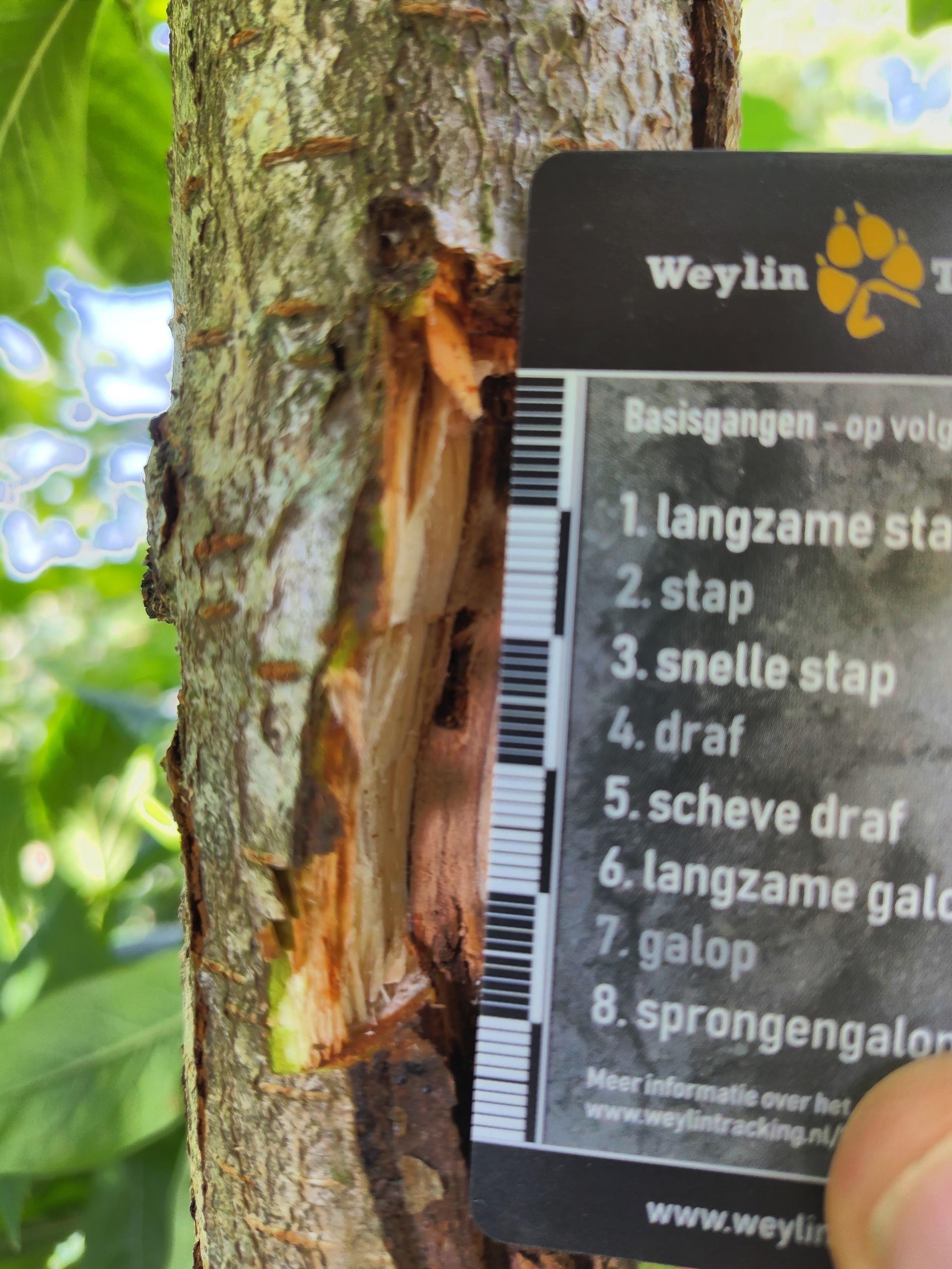
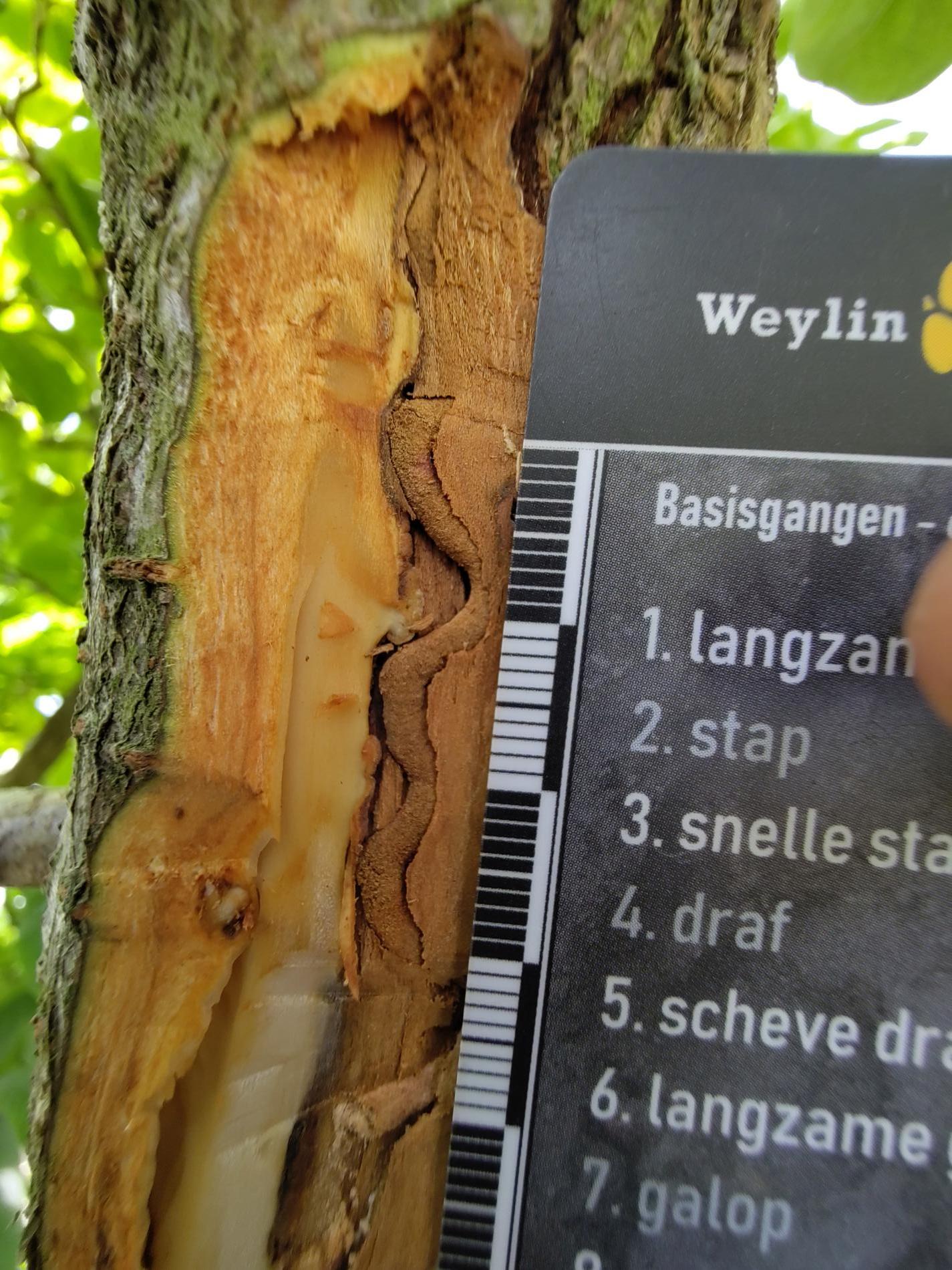
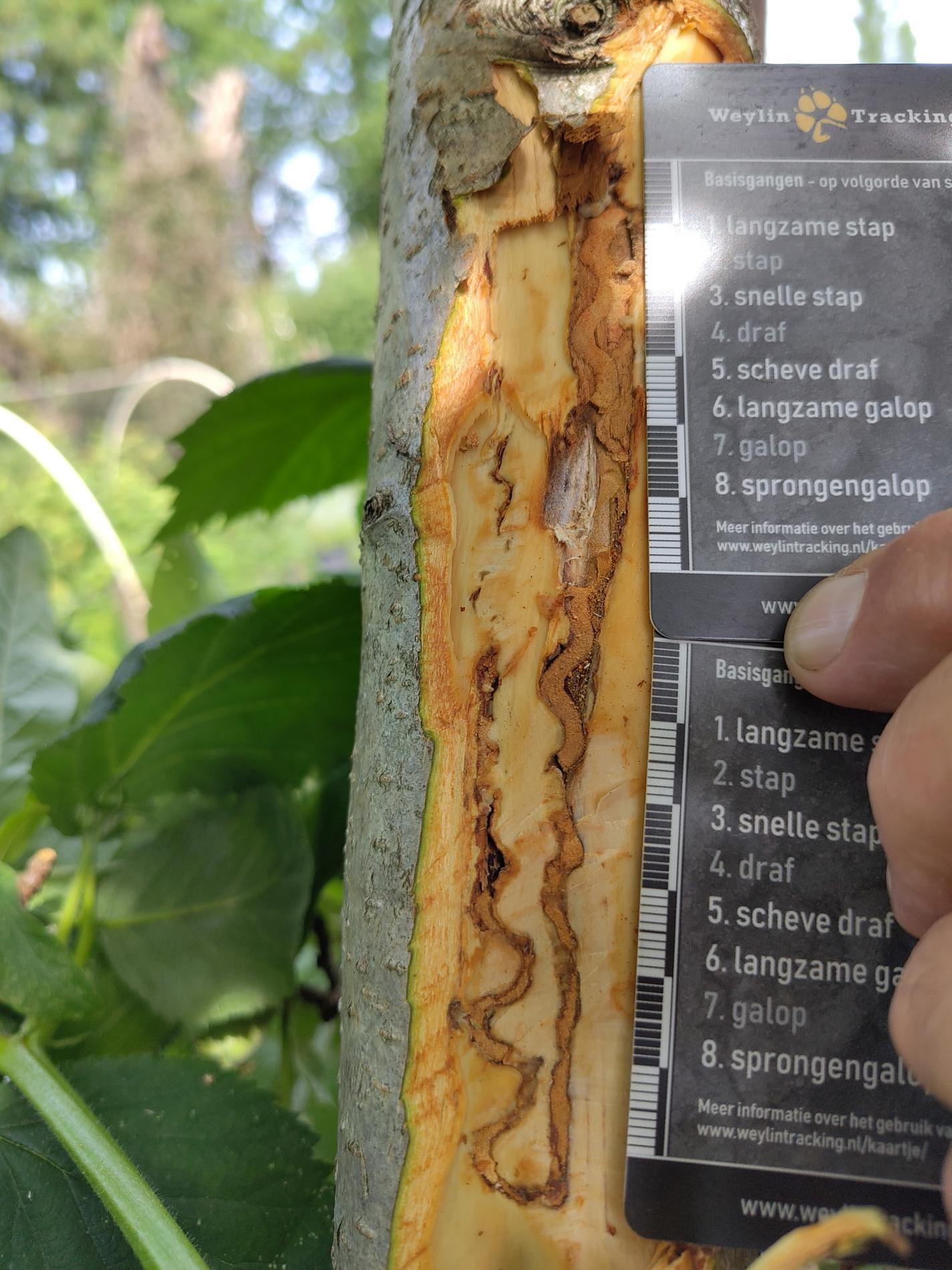
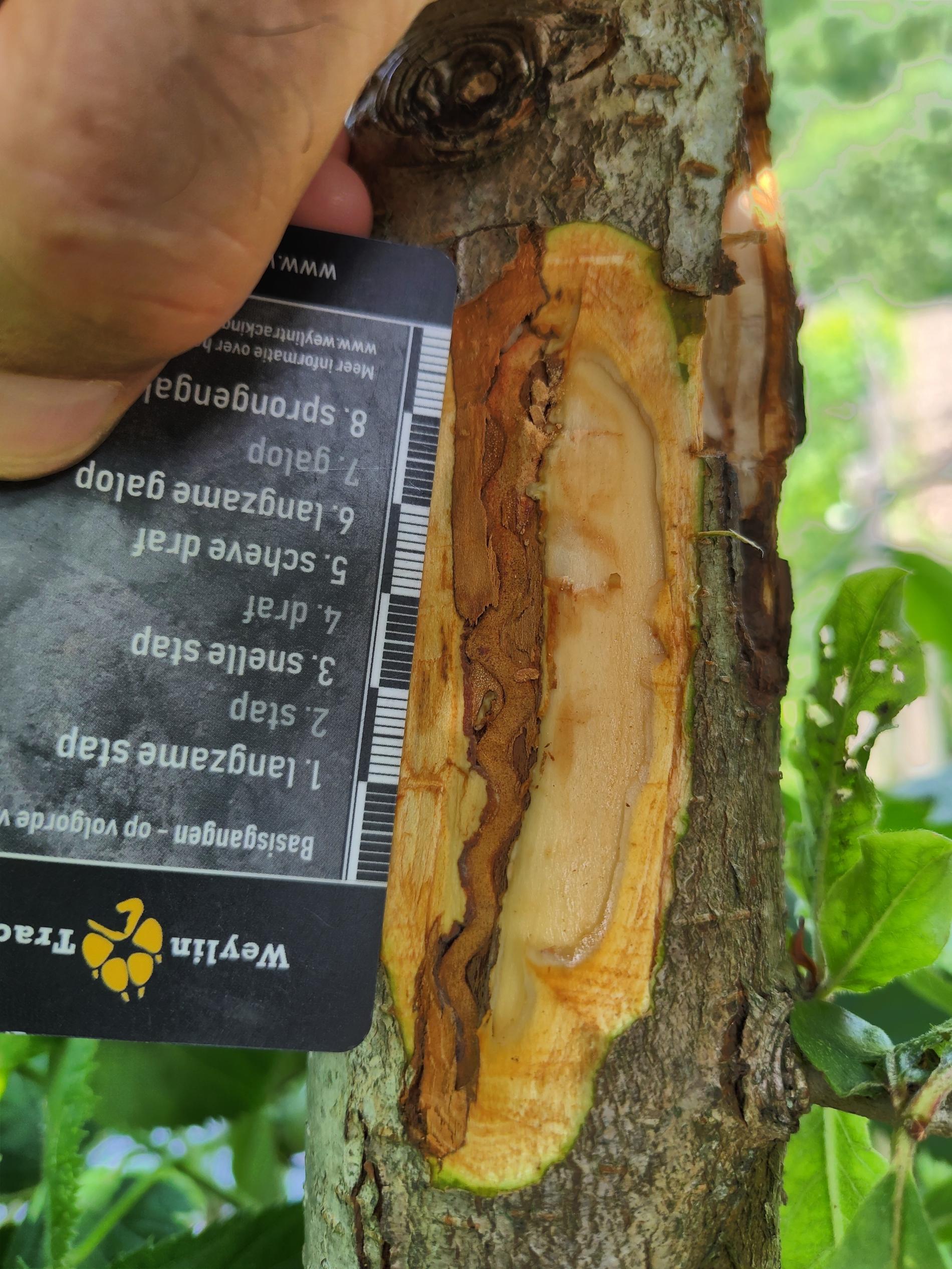
Agrilus sinuatus, the sinuate pear tree borer, is a beetle from the family Buprestidae, approximately 1 cm in size. The adults live from the end of May until the end of July. Females lay 30–40 eggs on the sunny side of young tree trunks or thicker branches, preferring branches or trunks around 5 cm in diameter. Under the bark, larvae create characteristic, strongly wavy, and fairly regular tunnels. The larva pupates in a pupal chamber, which is usually about 2-3 cm below the wood surface. The frass in the gallery system is very fine, and the exit holes are typically "D" shaped.
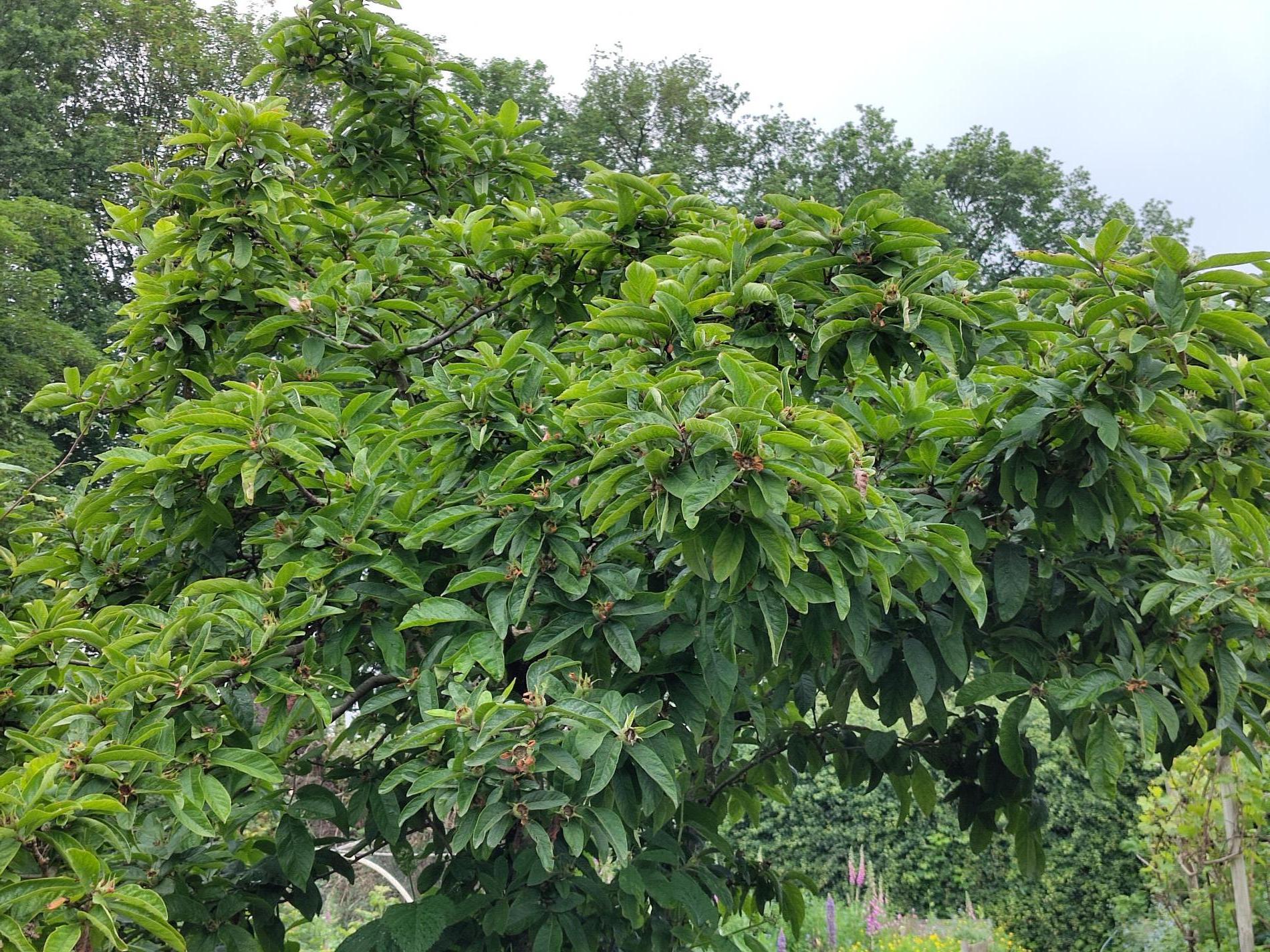
This species was mentioned in the 19th century, but just as an integral part of the ecosystems of deciduous, xerophilous forests. In the 20th century, it became increasingly known for the damage it causes, especially to ornamental and fruit trees. The population increase is attributed to climate change and the lengthening periods of heat and drought, which favor this thermophilic species. It causes damage to pears (Pyrus pyraster, P. communis), quince (Cydonia oblonga), apple (Malus spp.), plum (Prunus spp.), medlar (Mespilus germanica) etc.
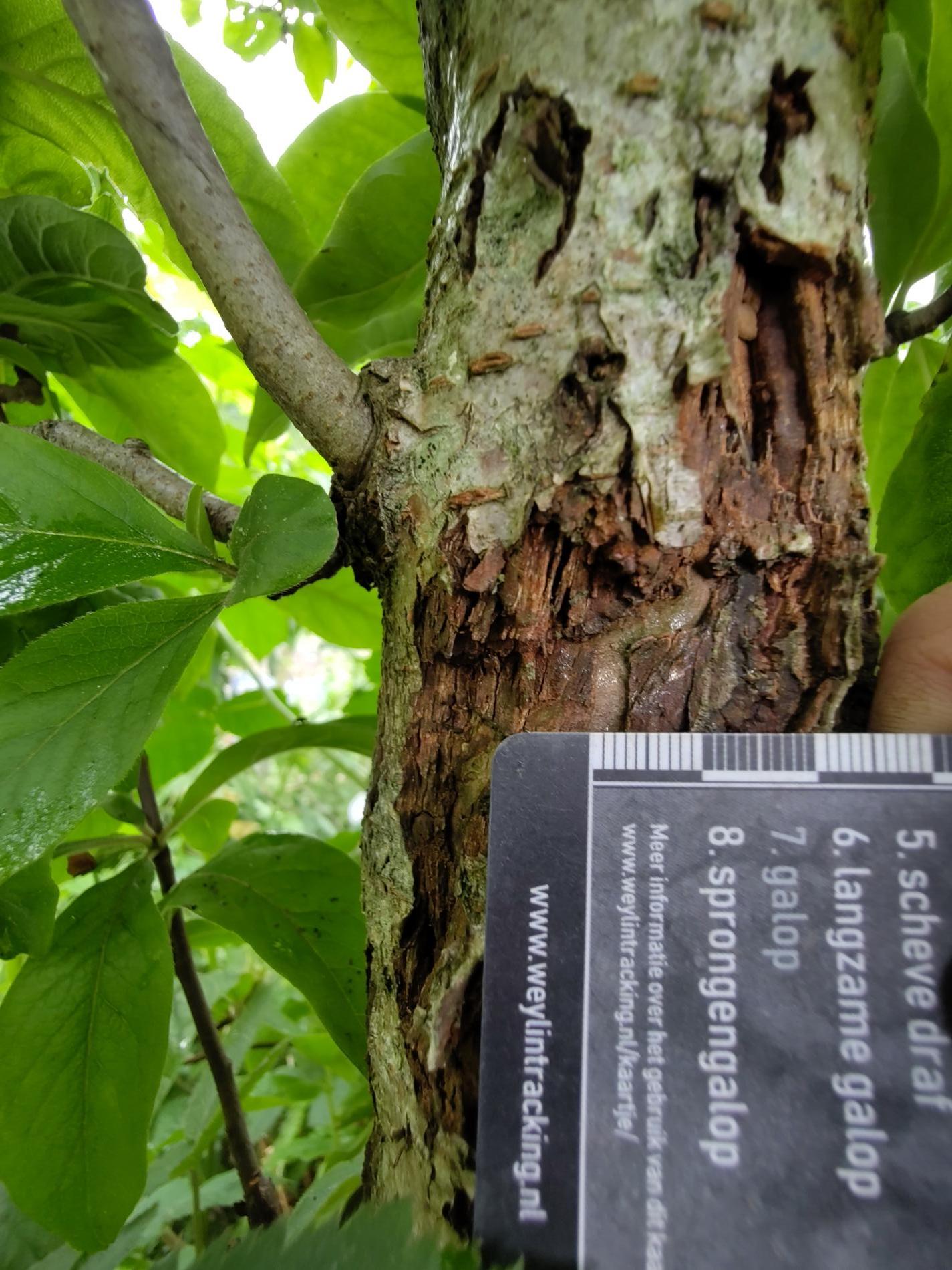
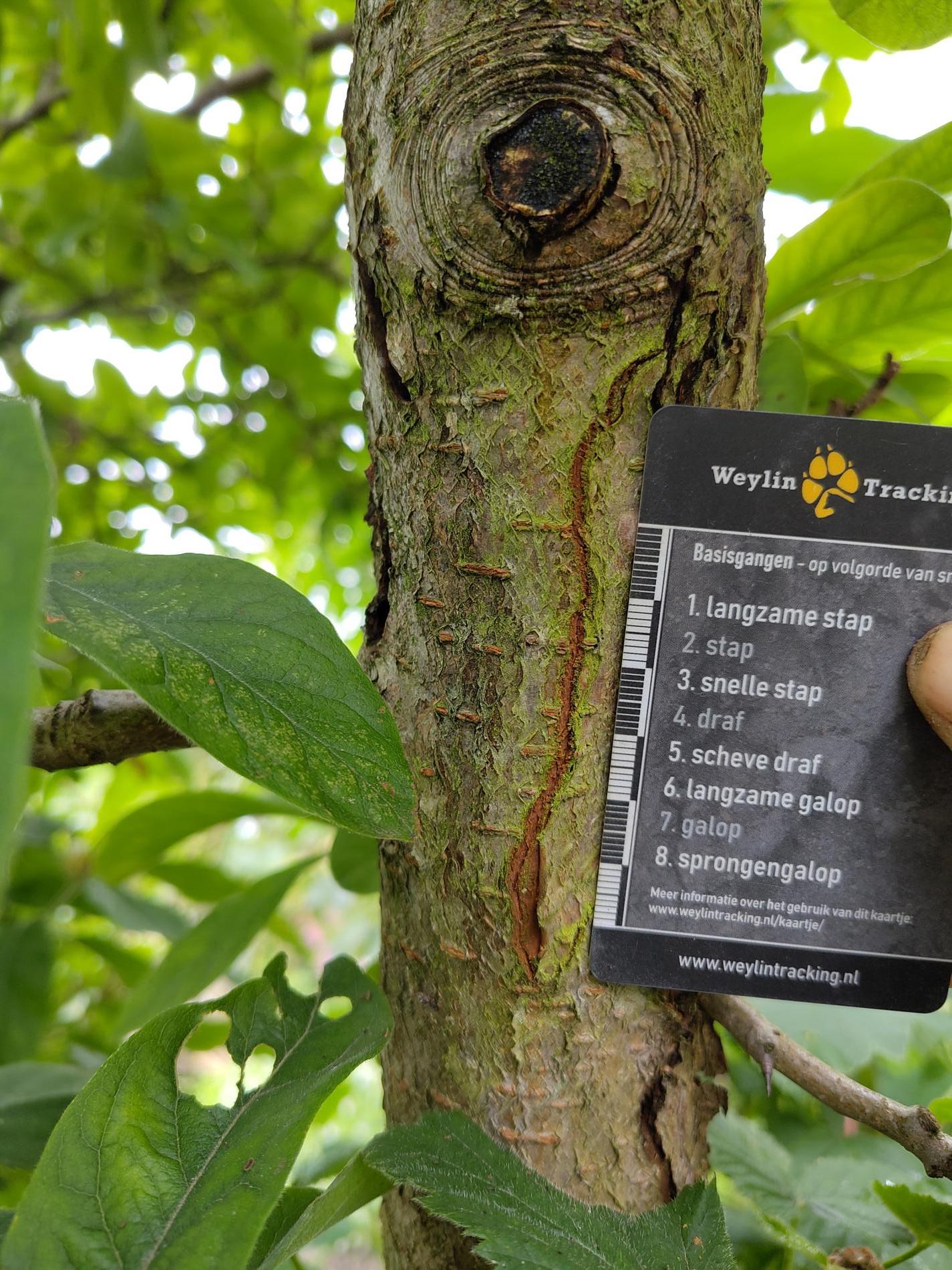
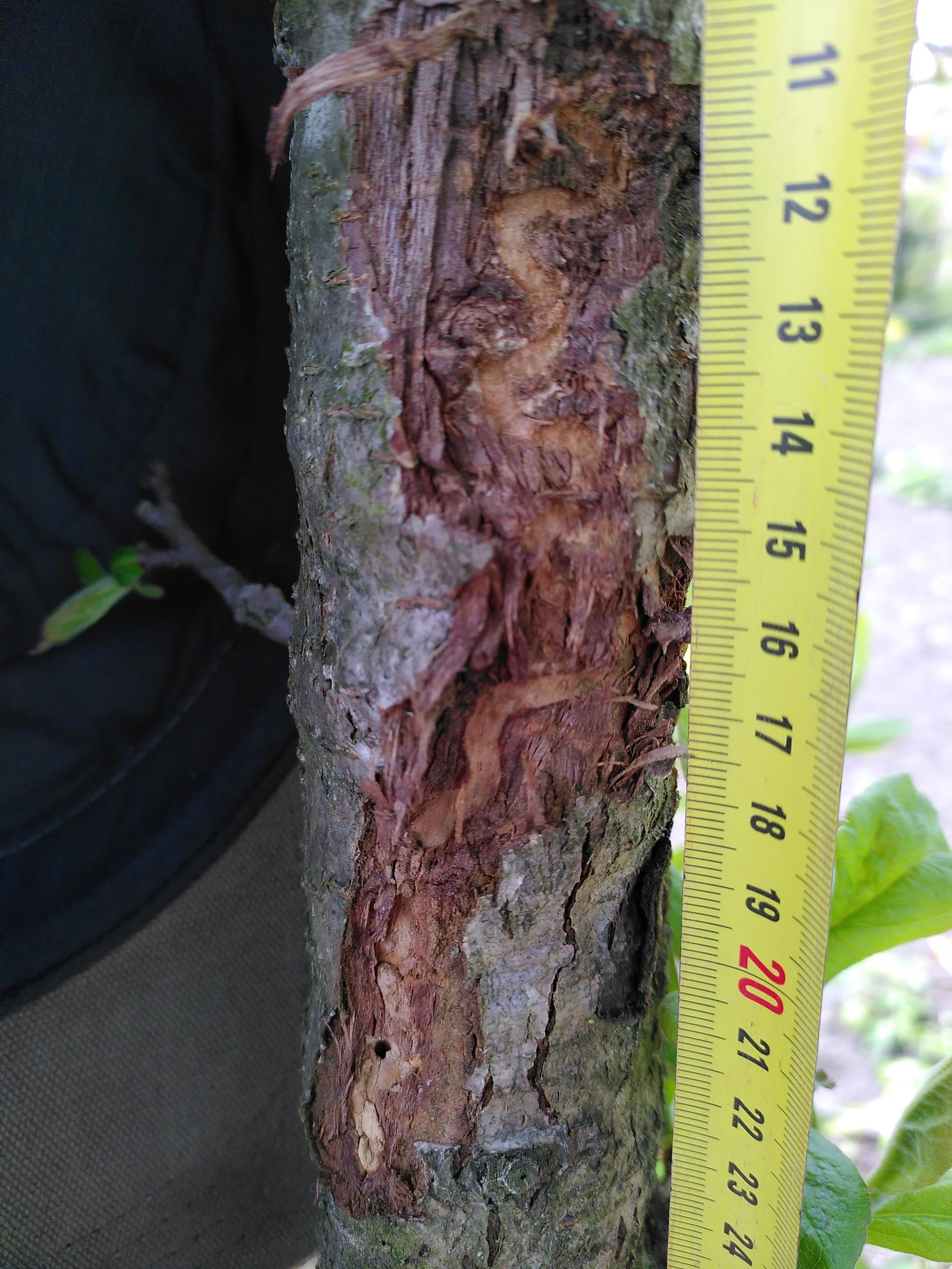
Larvae create typically downward-running sinuous galleries just below the bark. The bark of attacked trees becomes necrotic and dies off, creating cracks that provide entry points for various secondary pathogens. Attacked trees can die back.
Tree Species: Cherry, Quince, Hawthorn, Pear, Rowan, Whitebeam, Medlar, Plum
Part of a plant- attacked: Tree trunk
Pest significance: Less harmful
Pest Category: Insects
Invasive Species: No
Present in EU: Yes
Pest group: Insect
Affected part of wood: Heartwood, Sapwood
Depth of damages: Bark, Under bark only, Up to 0,5 cm depth, Up to 2 cm depth, Up to 5 cm depth
The extent of damage: Whole trunk
Prevalence in Europe: Very rare
Damaged products: Firewood, Fresh timber logs (water still in the sapwood)
Roundwood size: Branches and twigs
Wood discoloration: No
Exit holes: D-shape
Pest subcategory: Wood-boring insect
Similar pests

Chrysobothris affinis

Chalcophora mariana
