


Aegosoma scabricorne
Grain support beetle
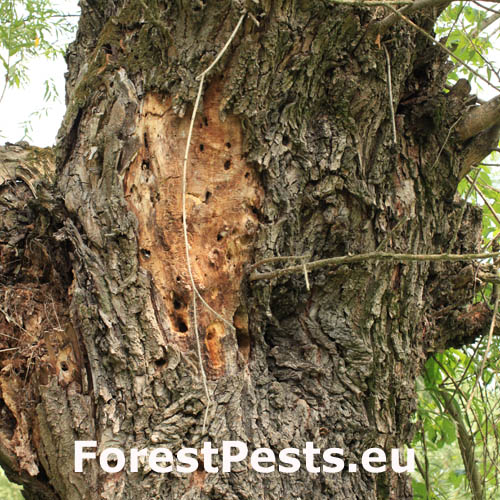
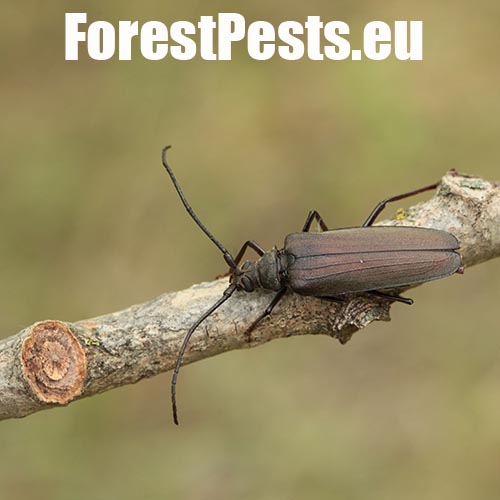
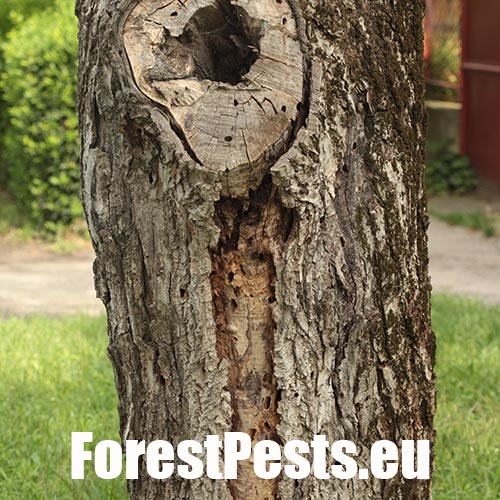
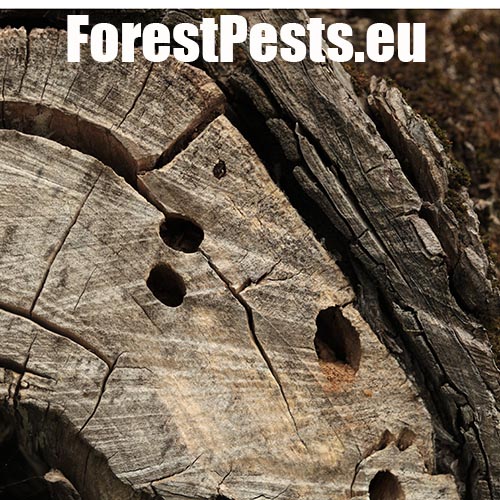
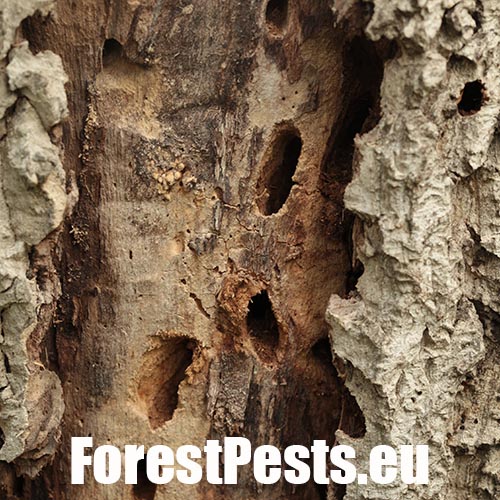
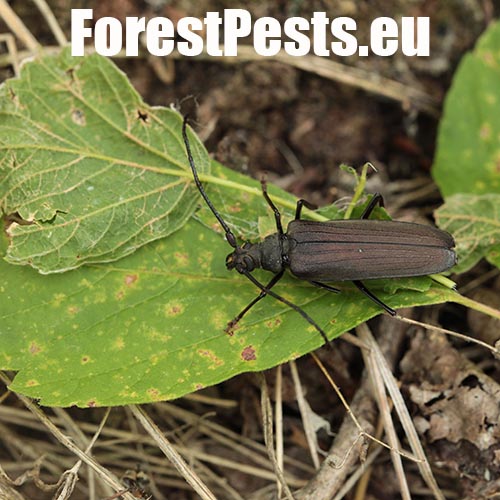
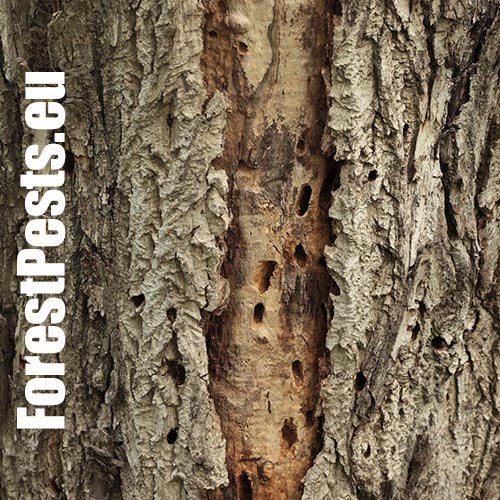
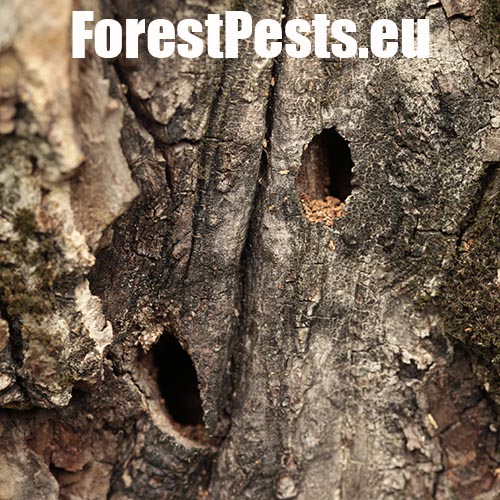
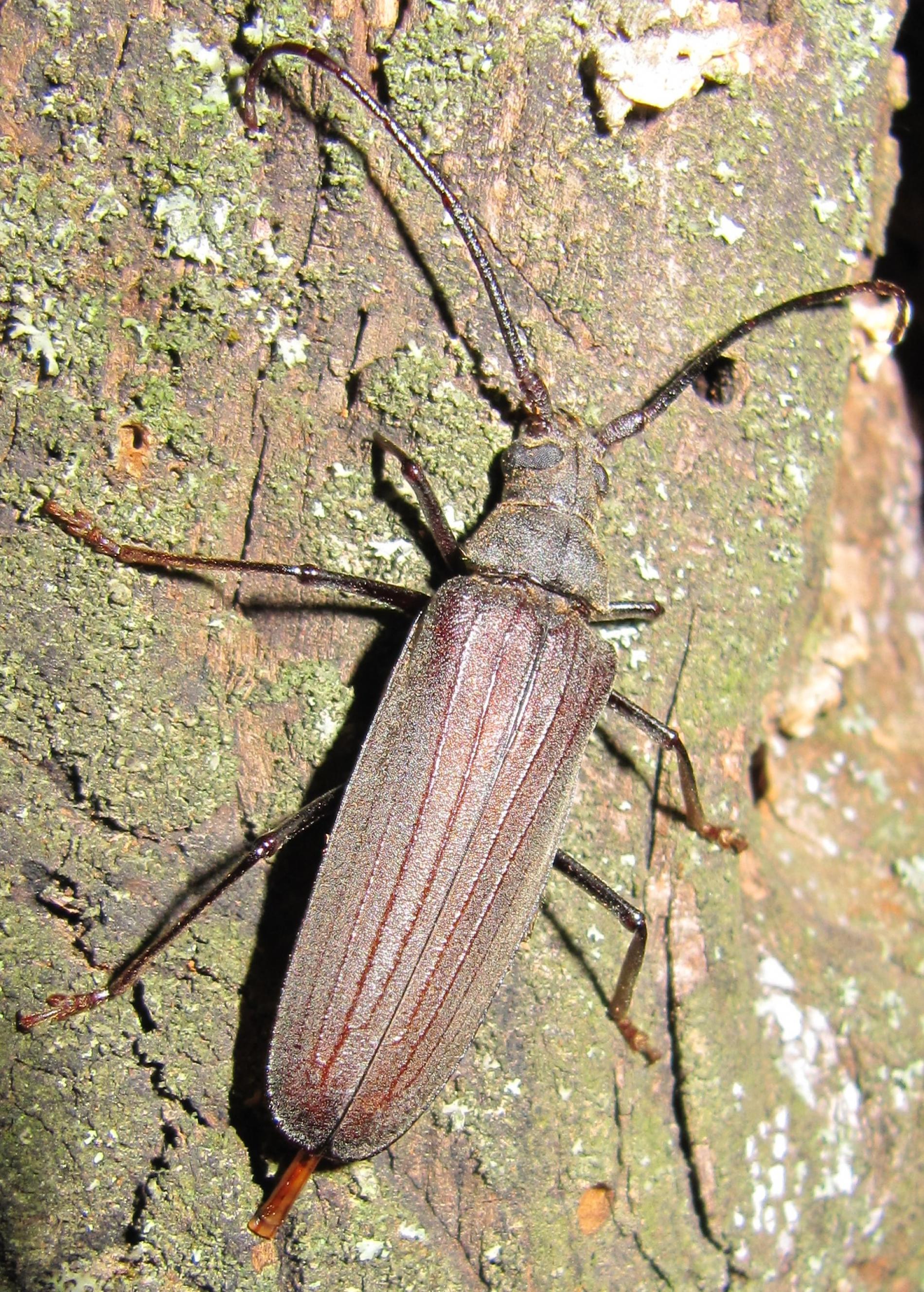
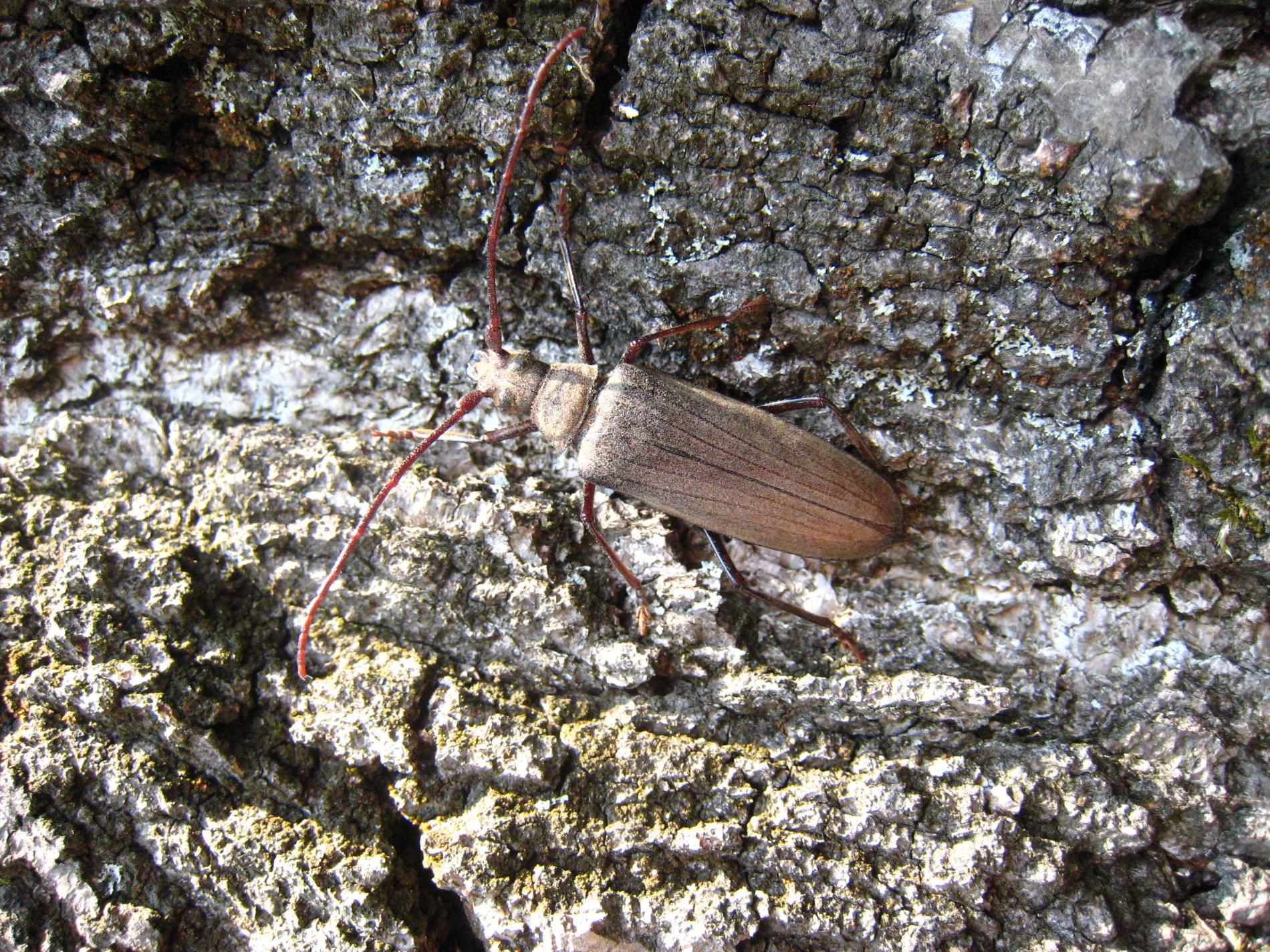
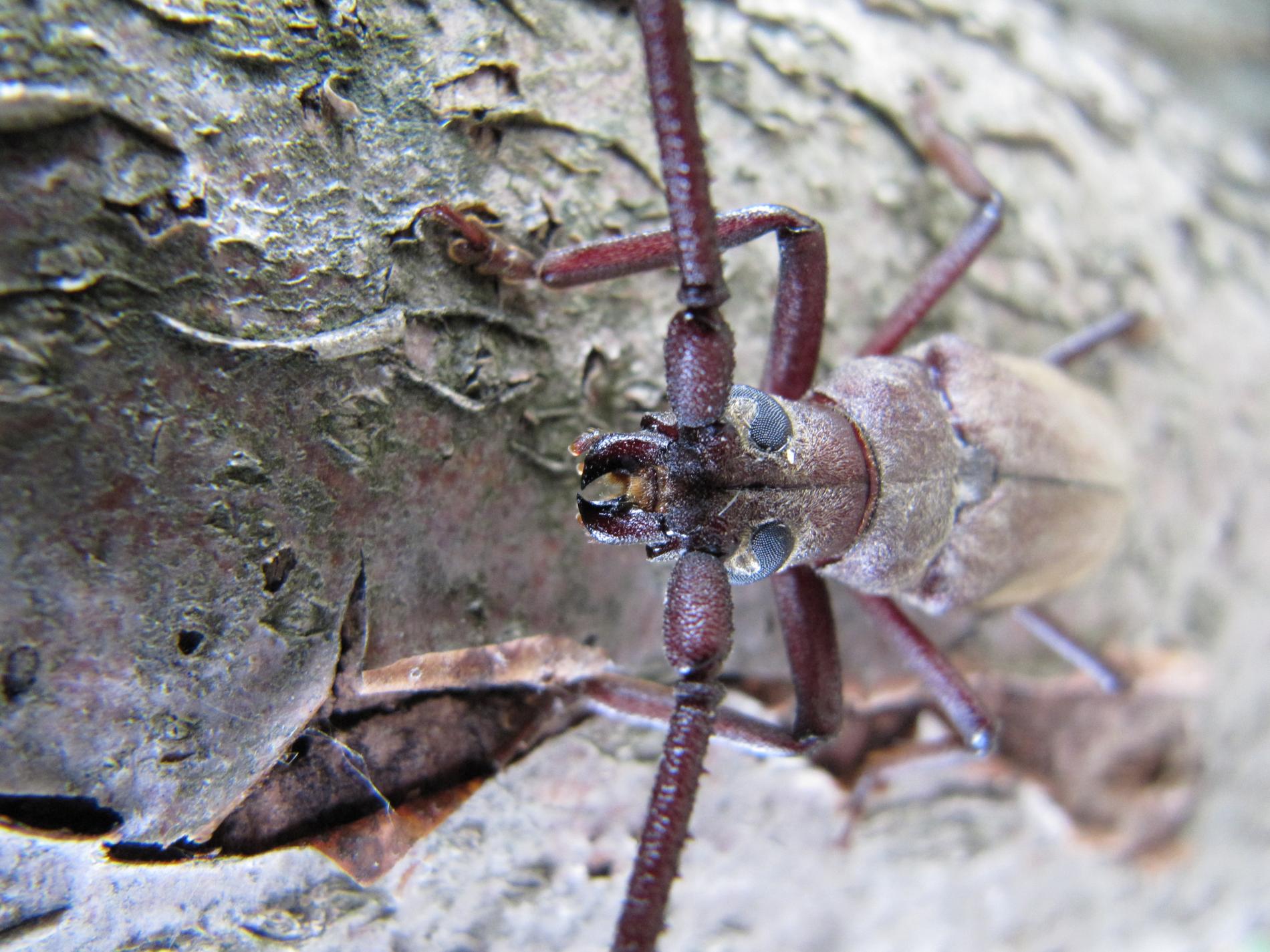
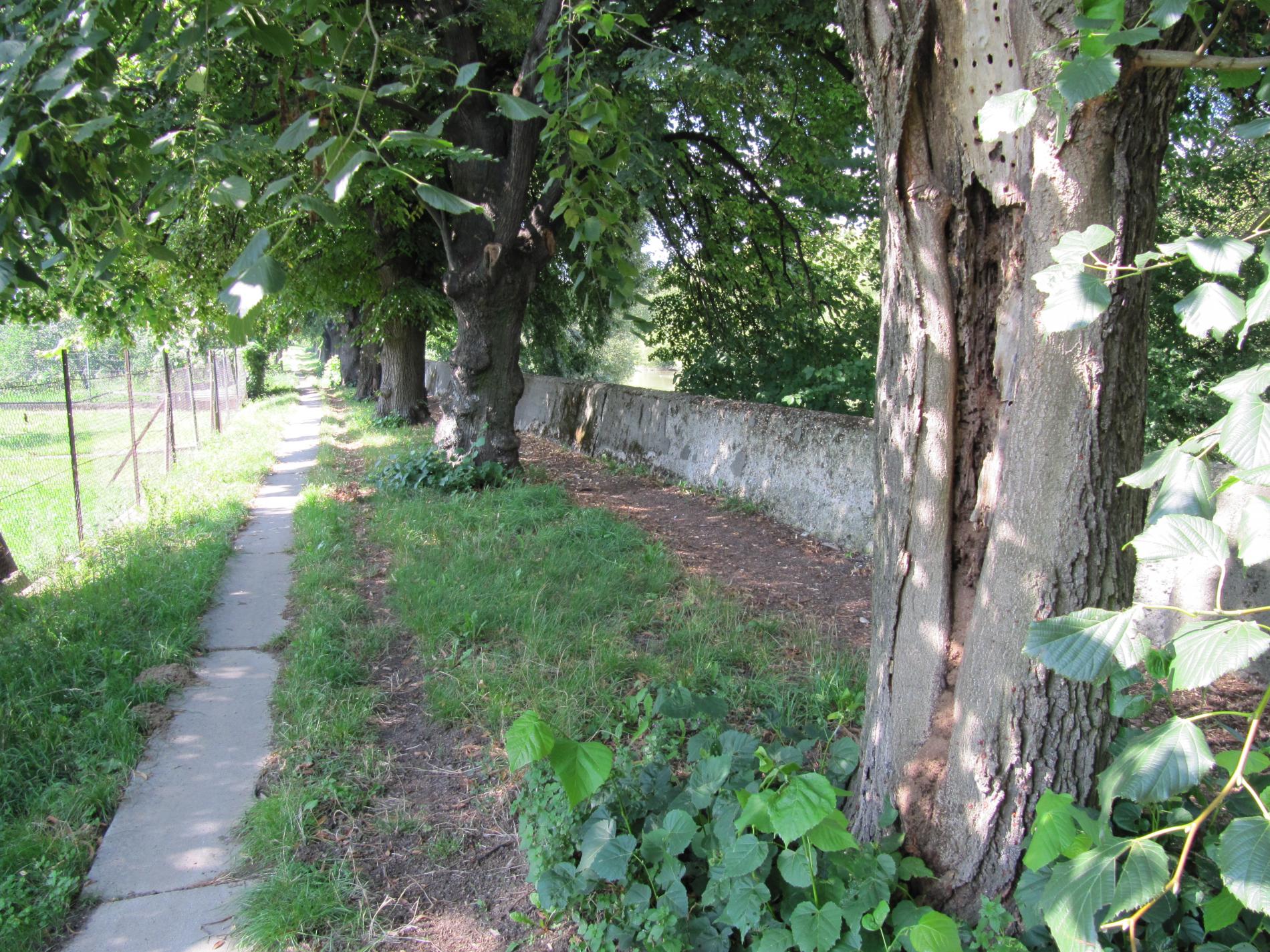
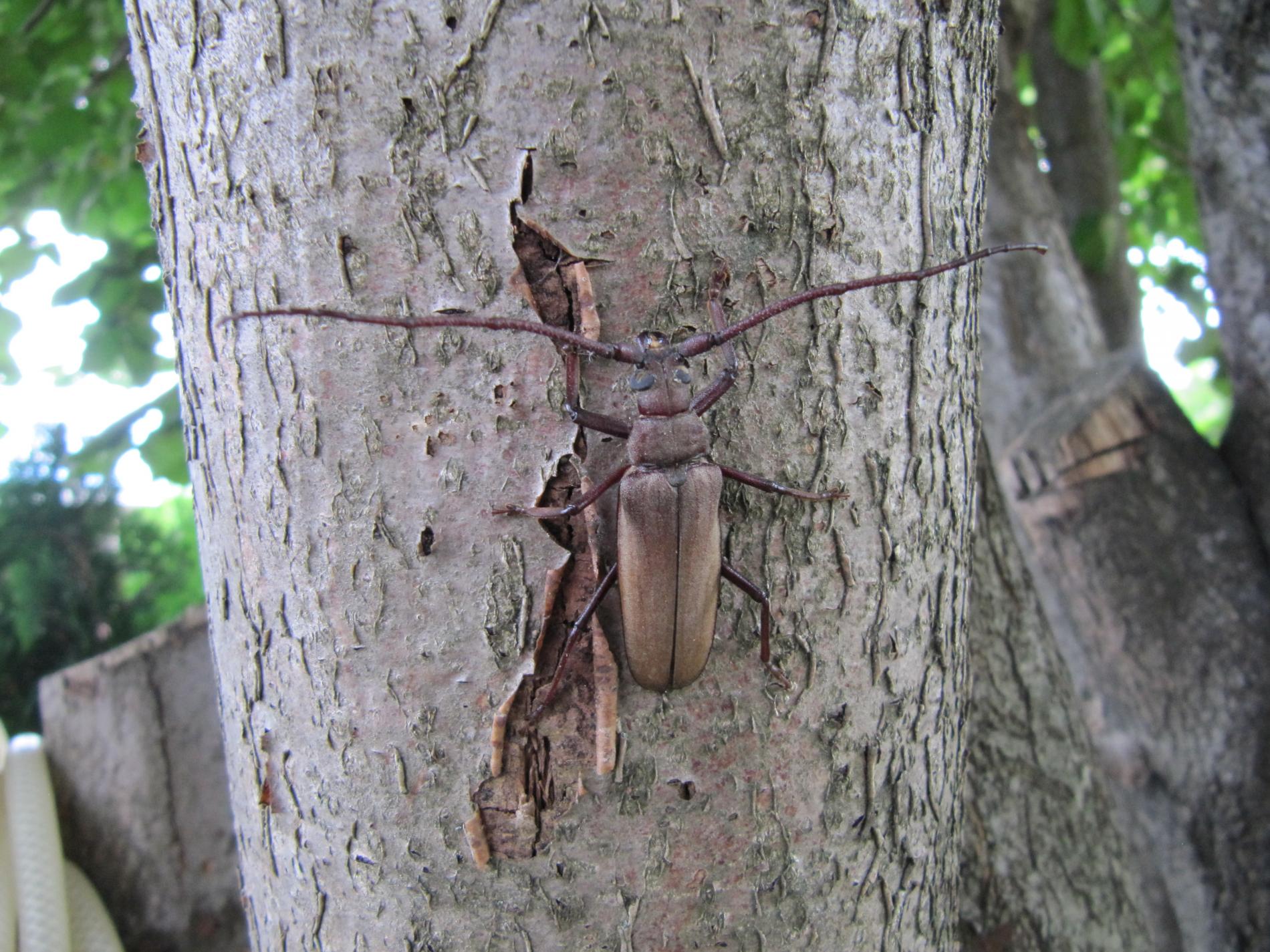
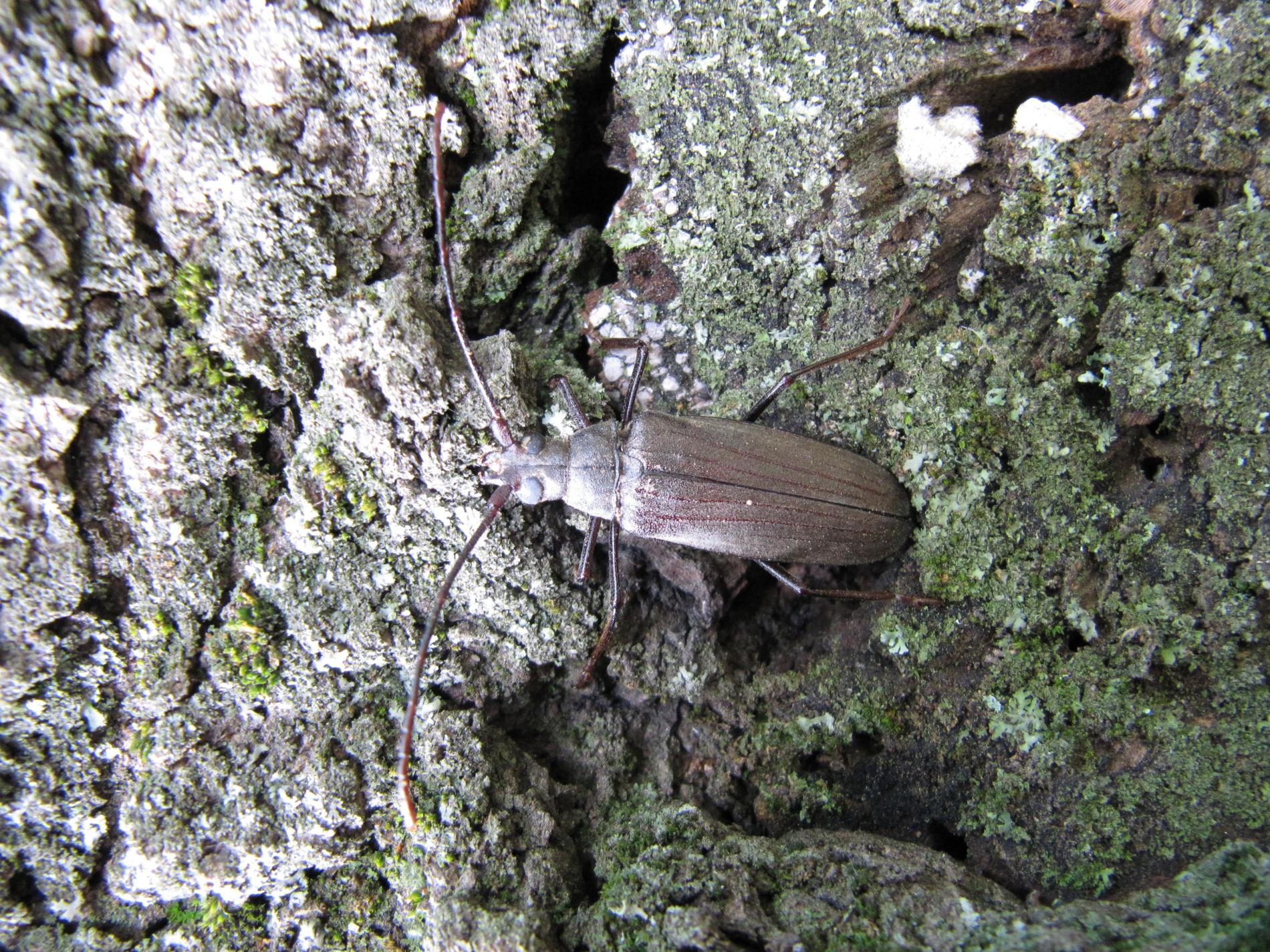
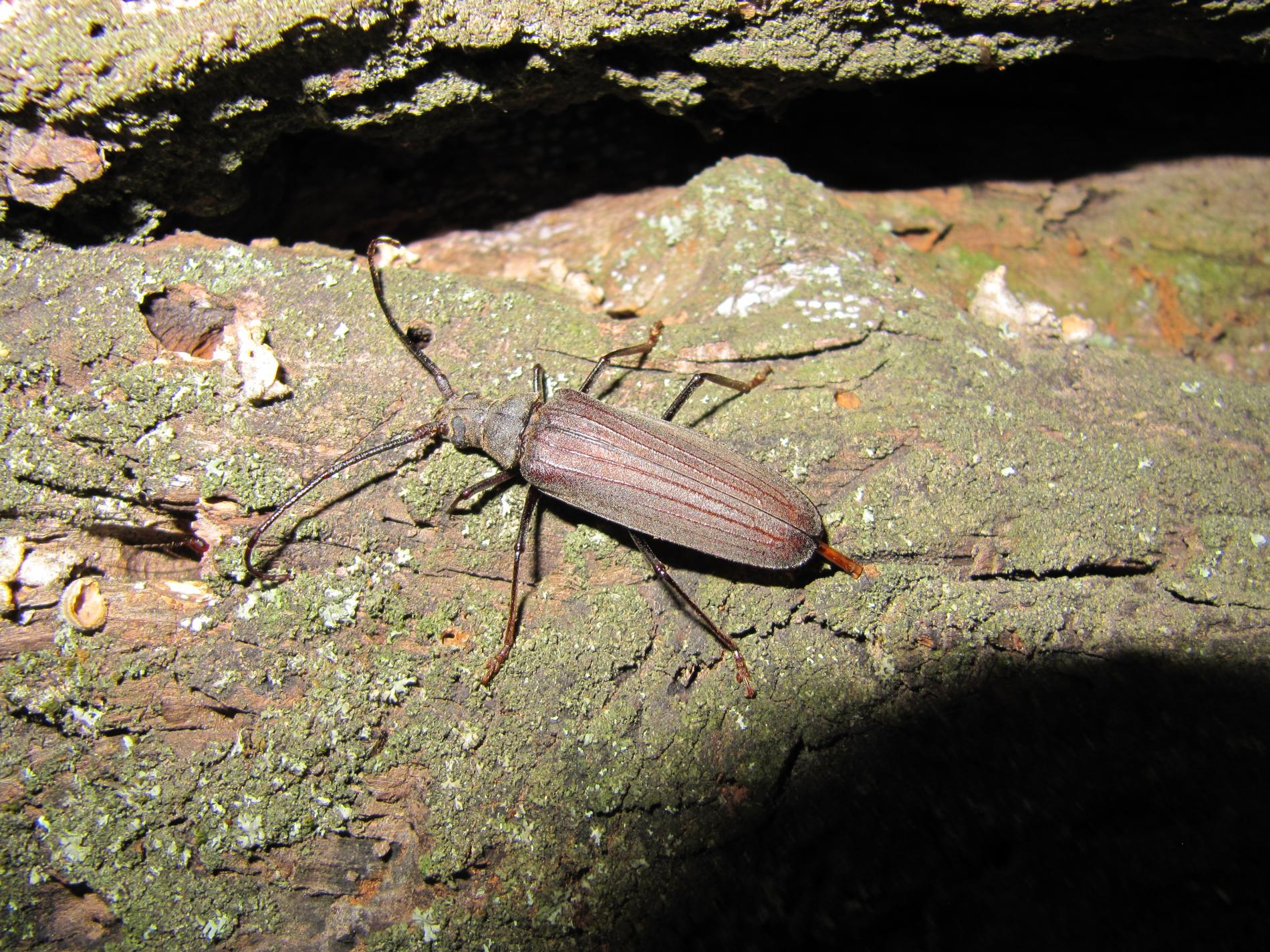
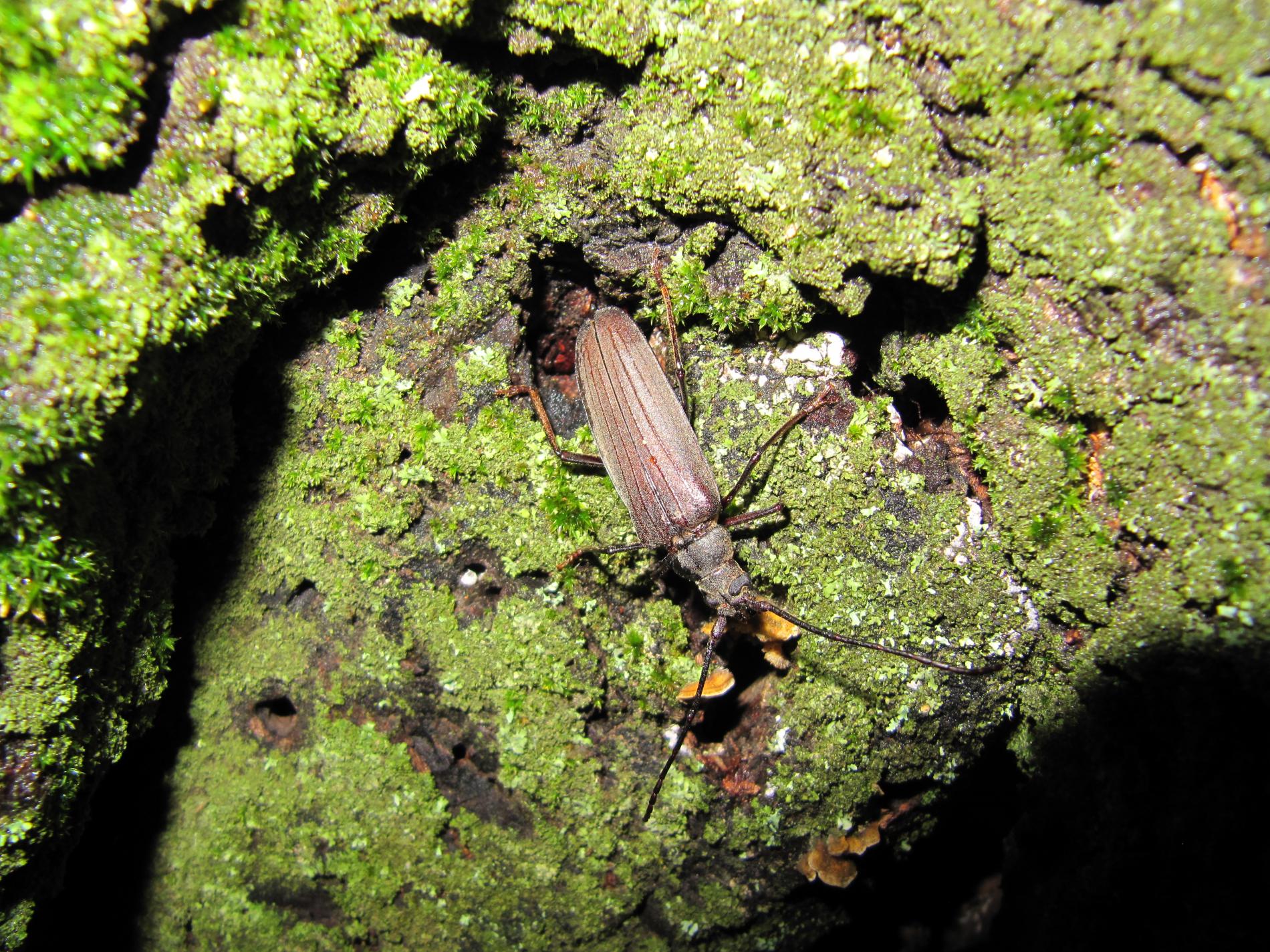
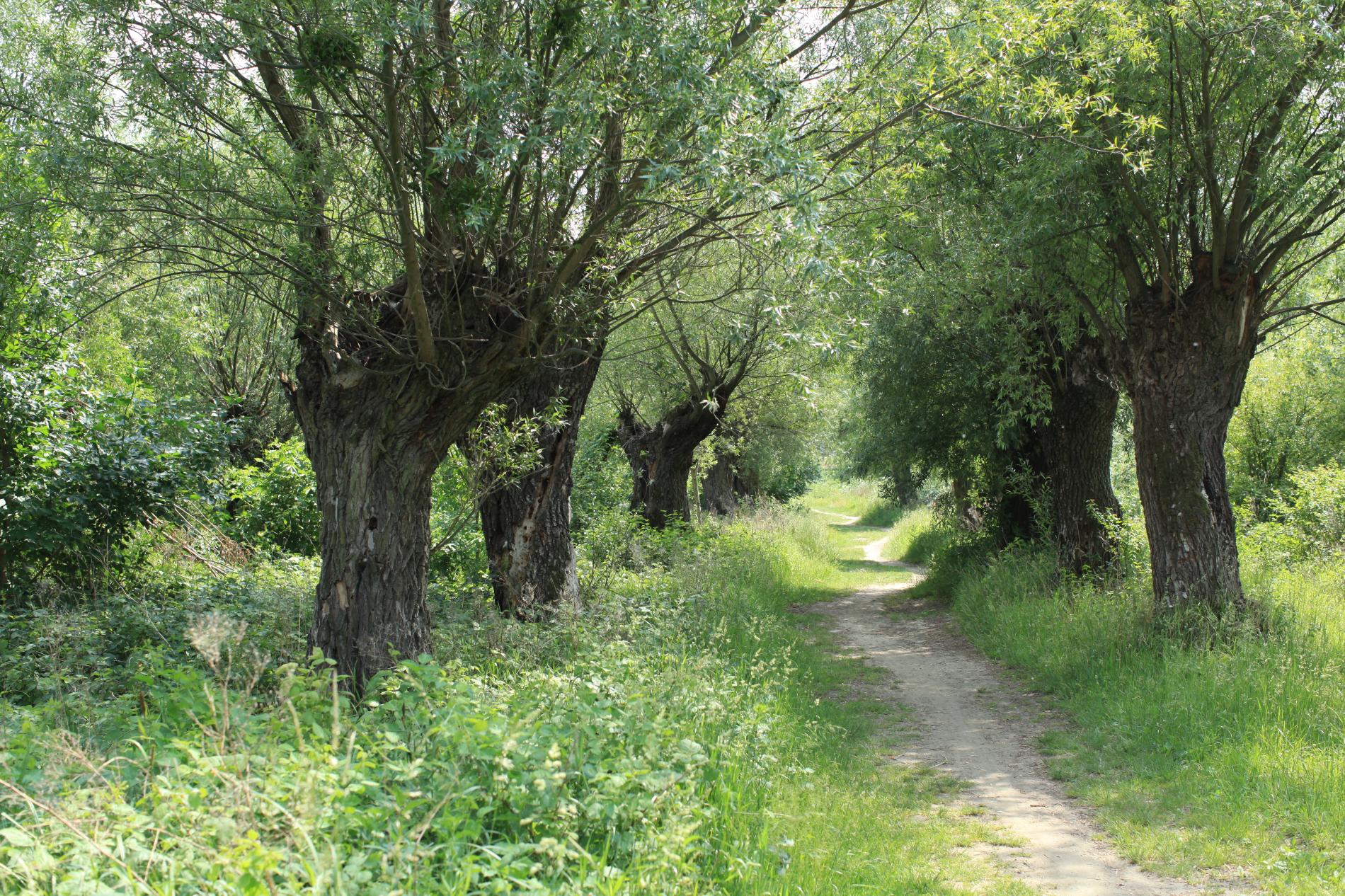
The beetle, about 30-50 mm long, belonging to the biggest insect species at all Europe. It has yellowish brown colouring with a short, tight hair. The male has antennae a little longer than its body, the female antennae reach only to the half of its body. The larvae develop for 3-4 years in dead wood in injured or dying stems. Several generations may develop in a single stem. Before pupating the larvae open an emergence hole through which the adults leave after several weeks in the pupal stage. The adults fly at night from early July until early August, spending the day in bark crevices and similar places. Mating and oviposition occur on the stem either in hollows or on wounds. Dead adults can be found at the base of the hostplant. This species is typically associated with old floodplain forests, parks, graveyards and established trees lining roads.
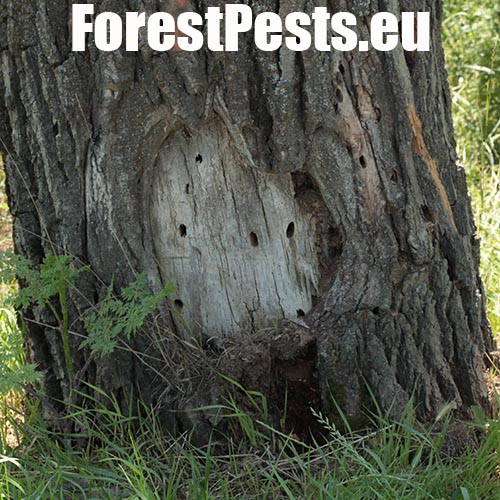
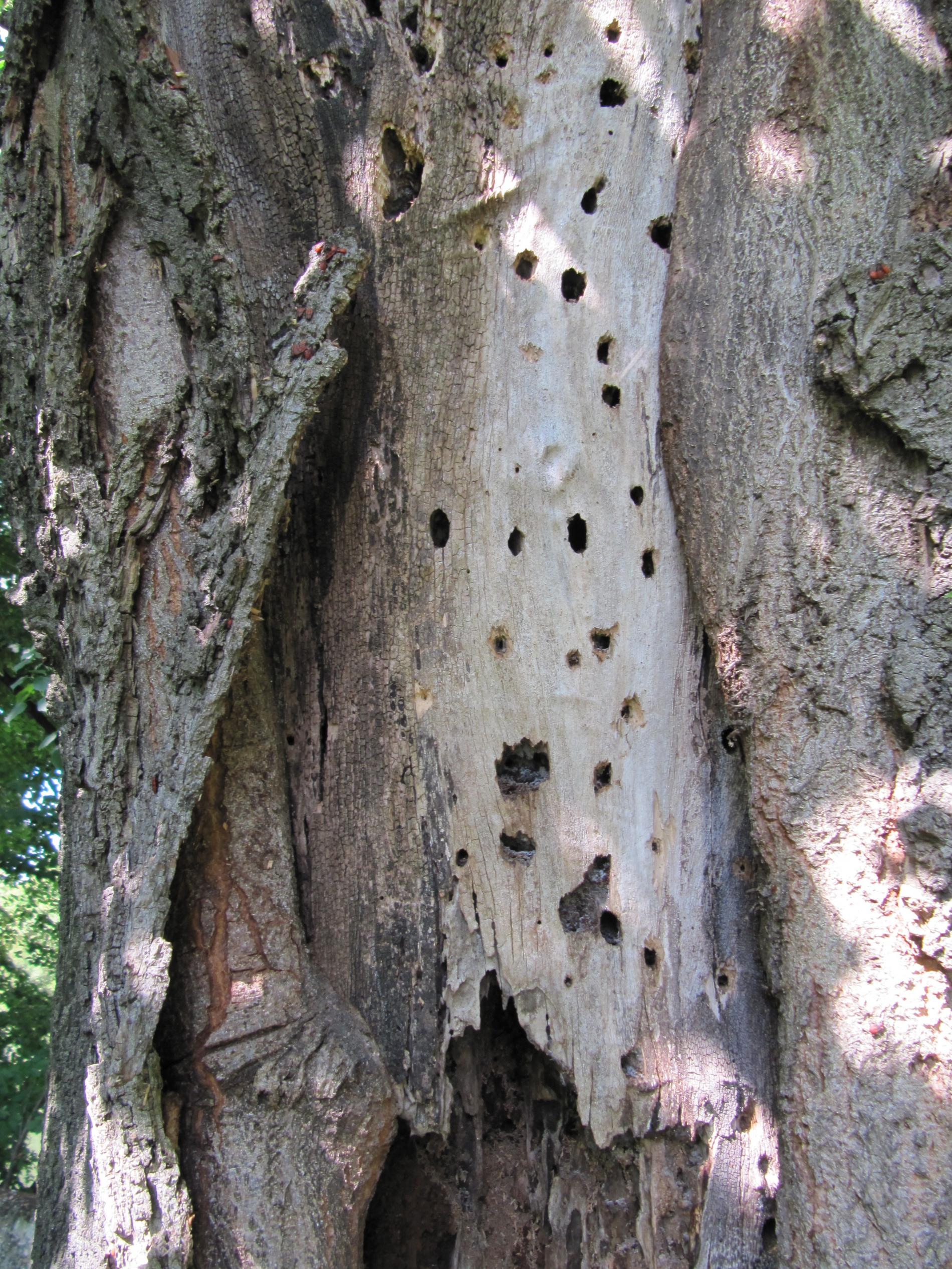
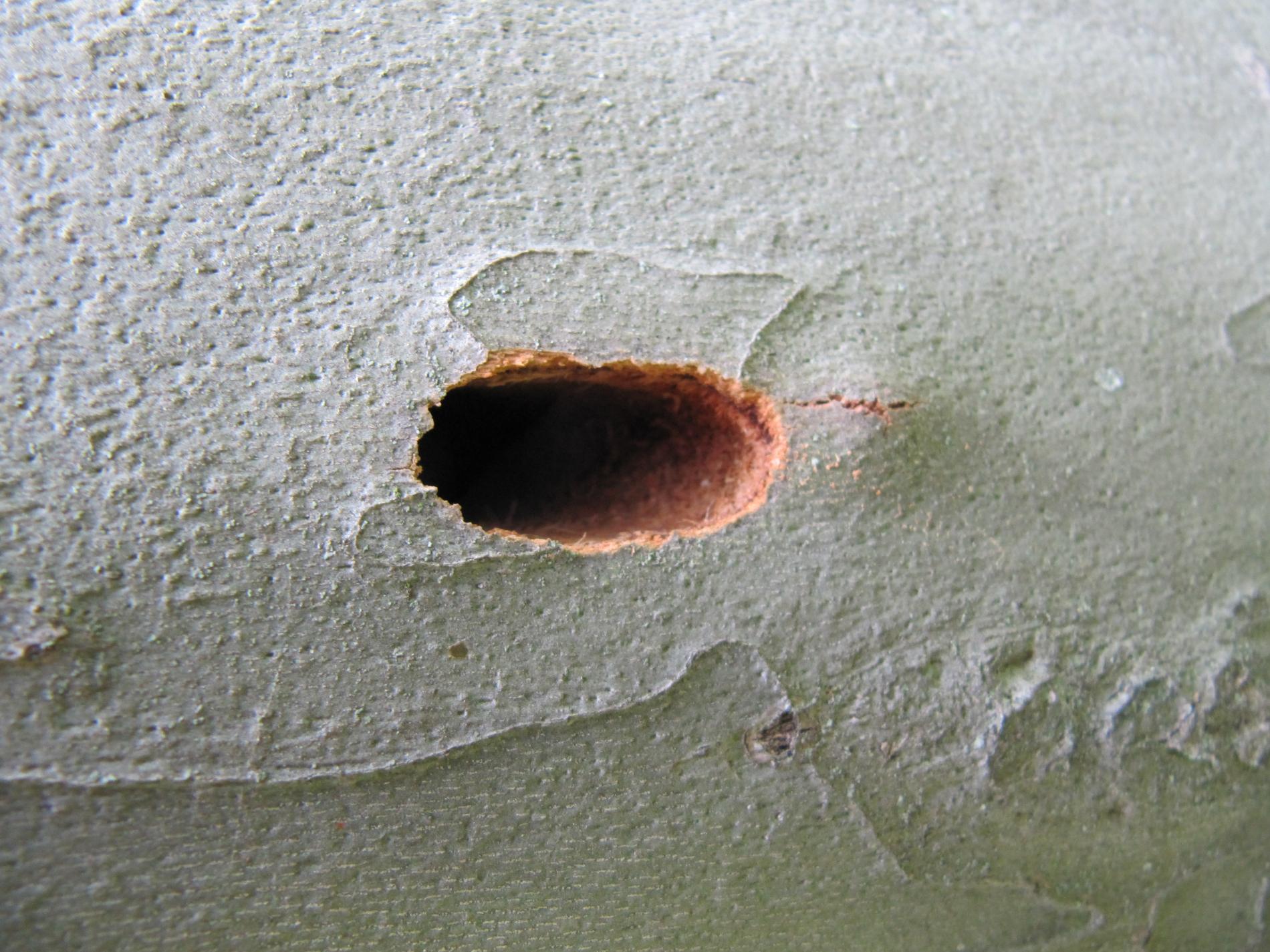
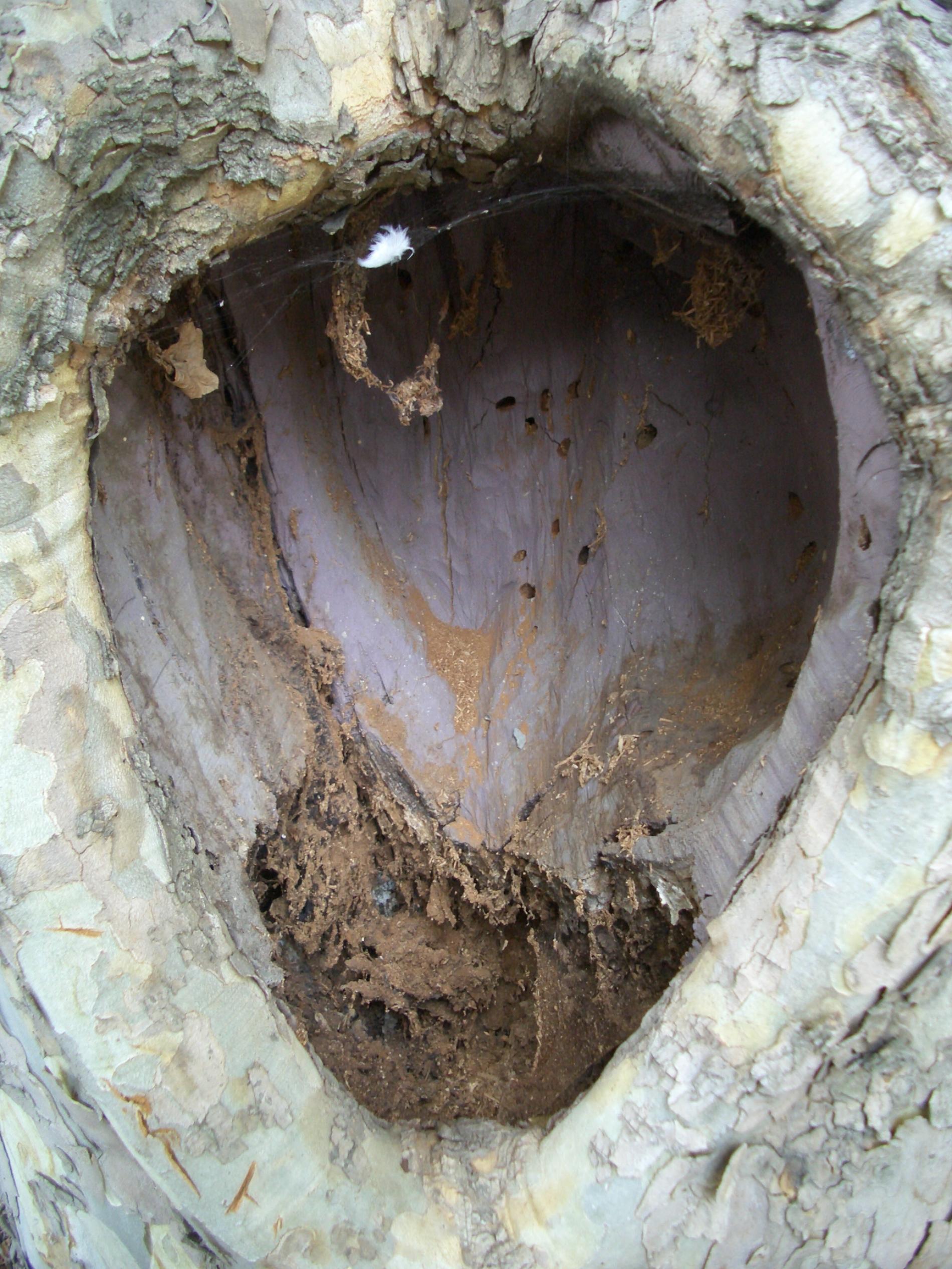
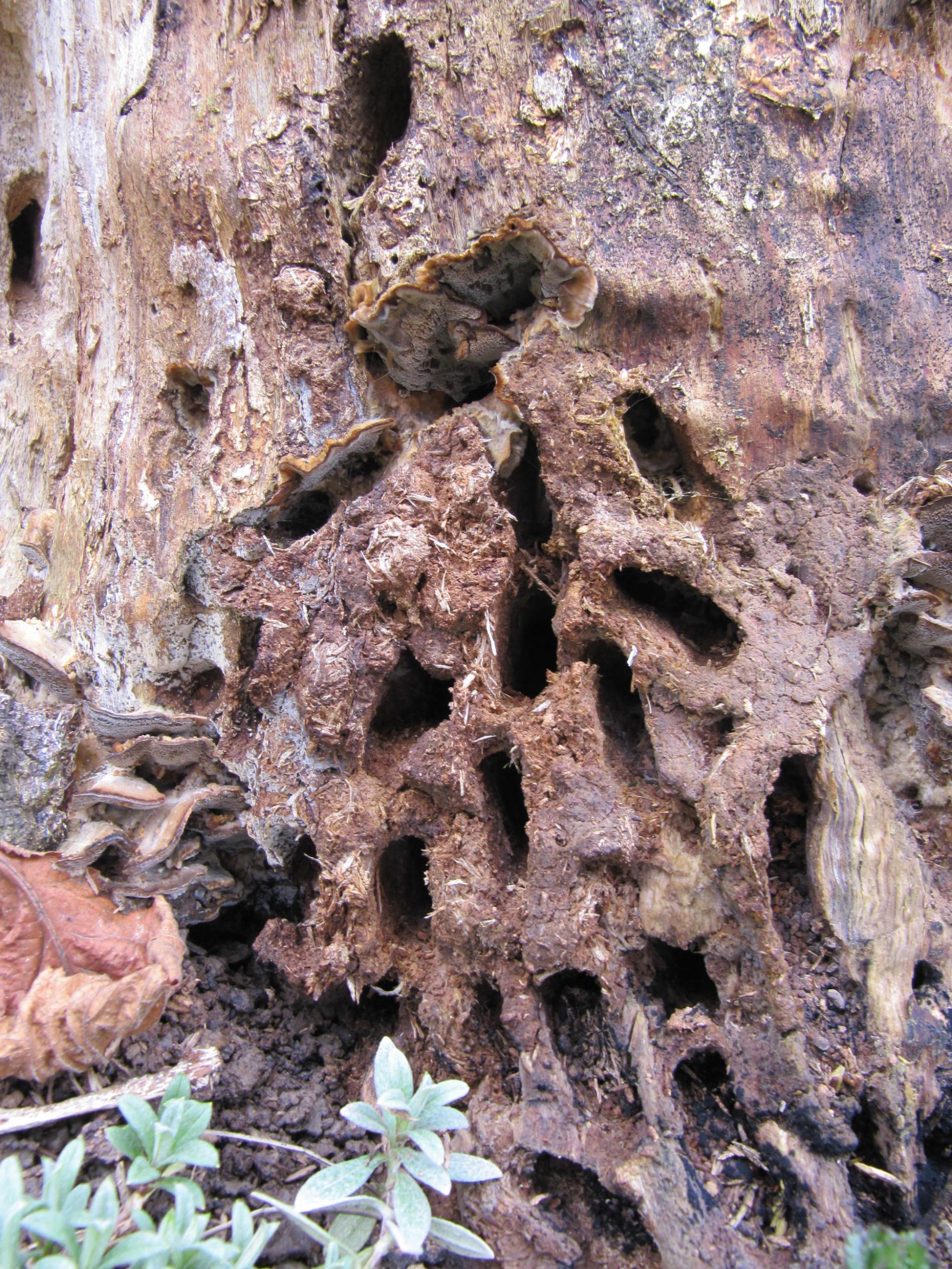
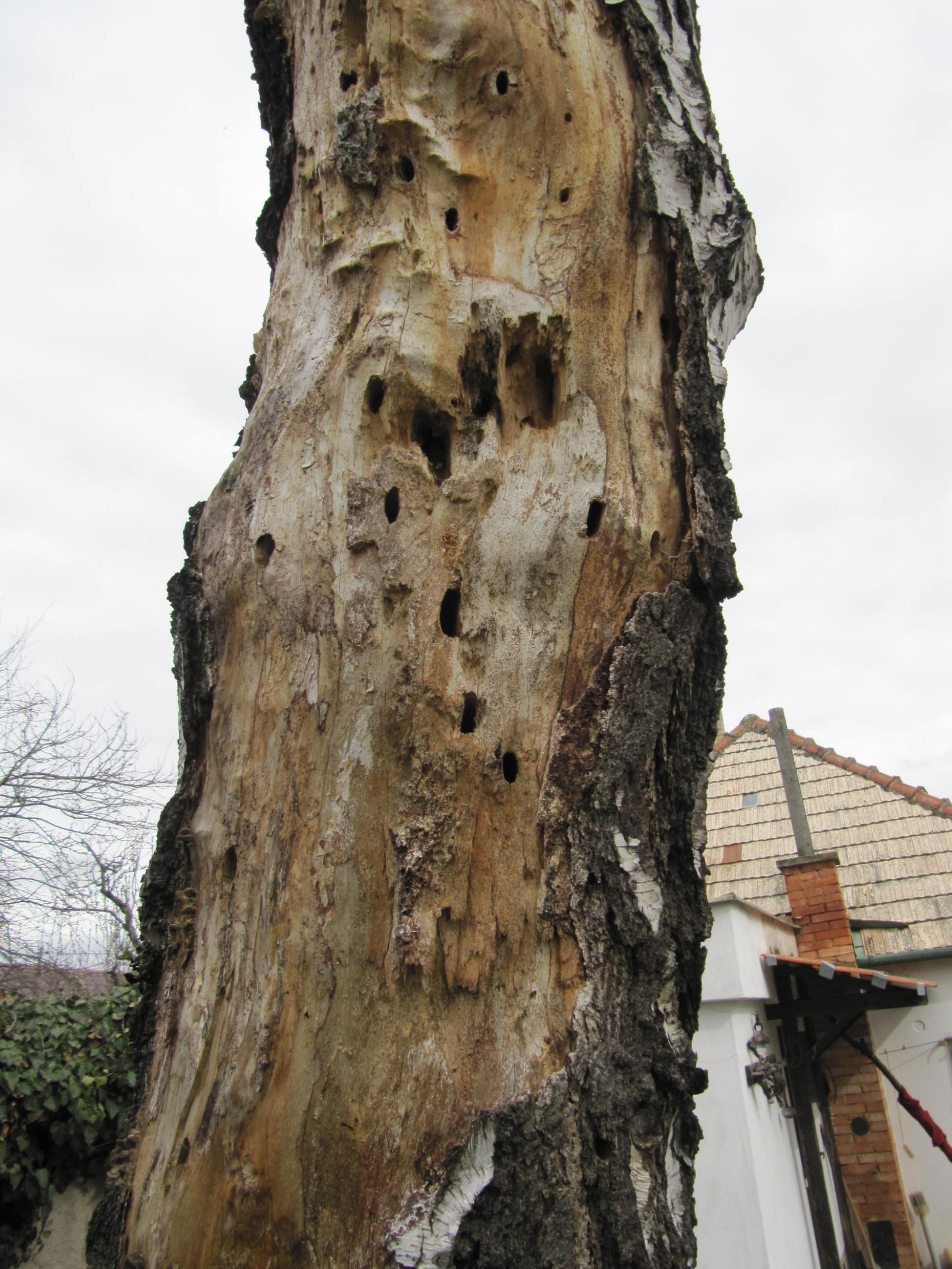
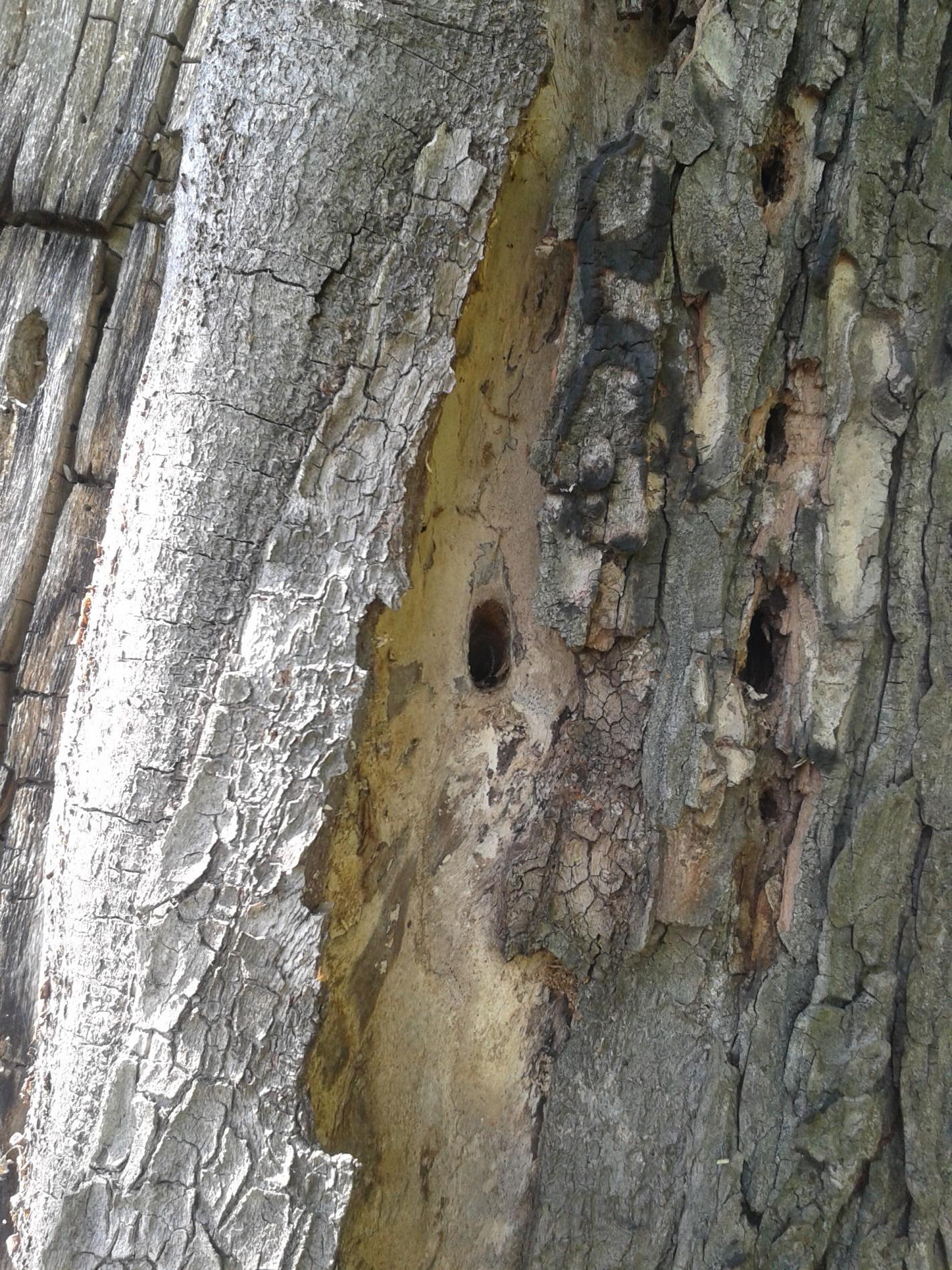
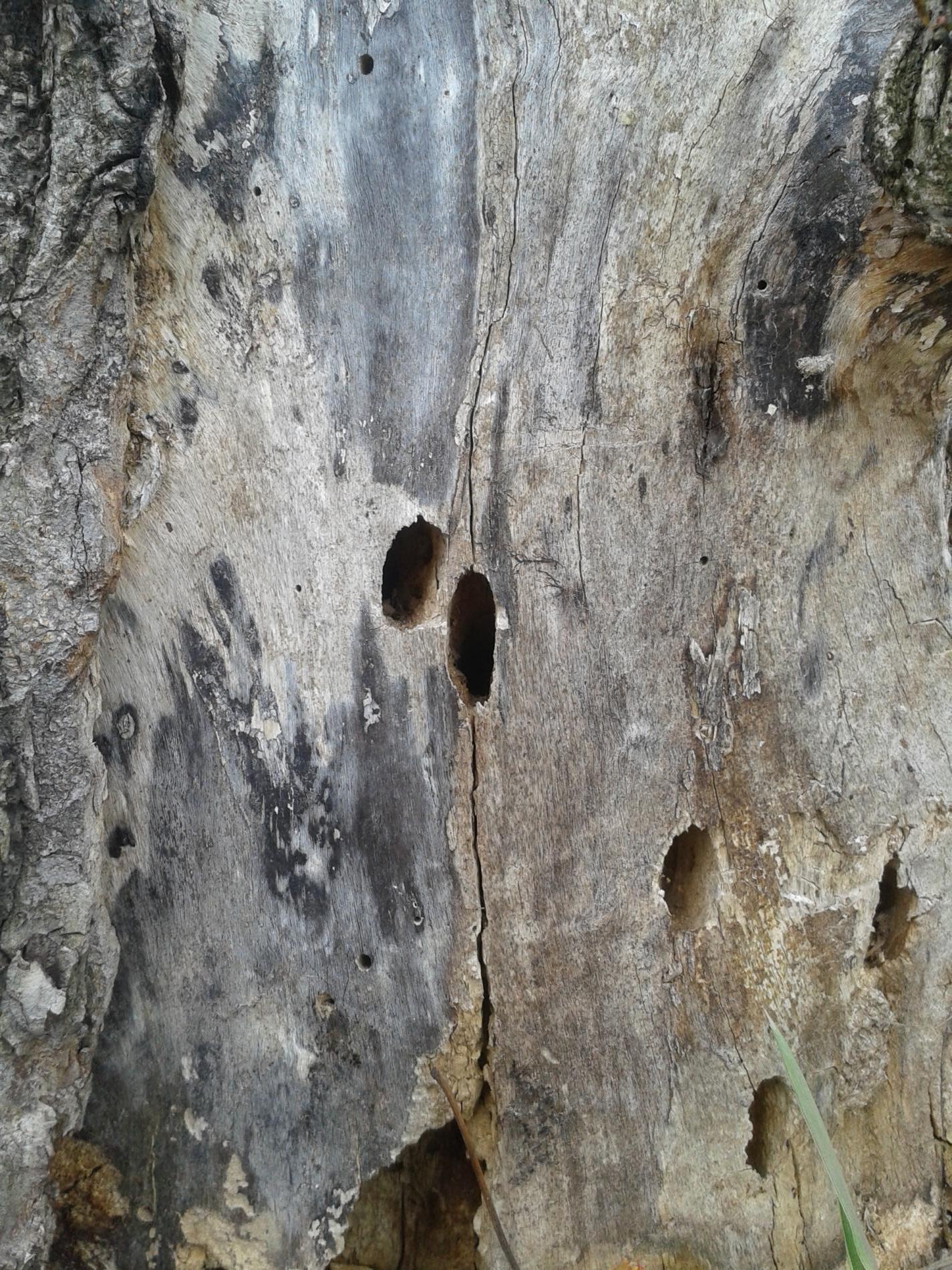
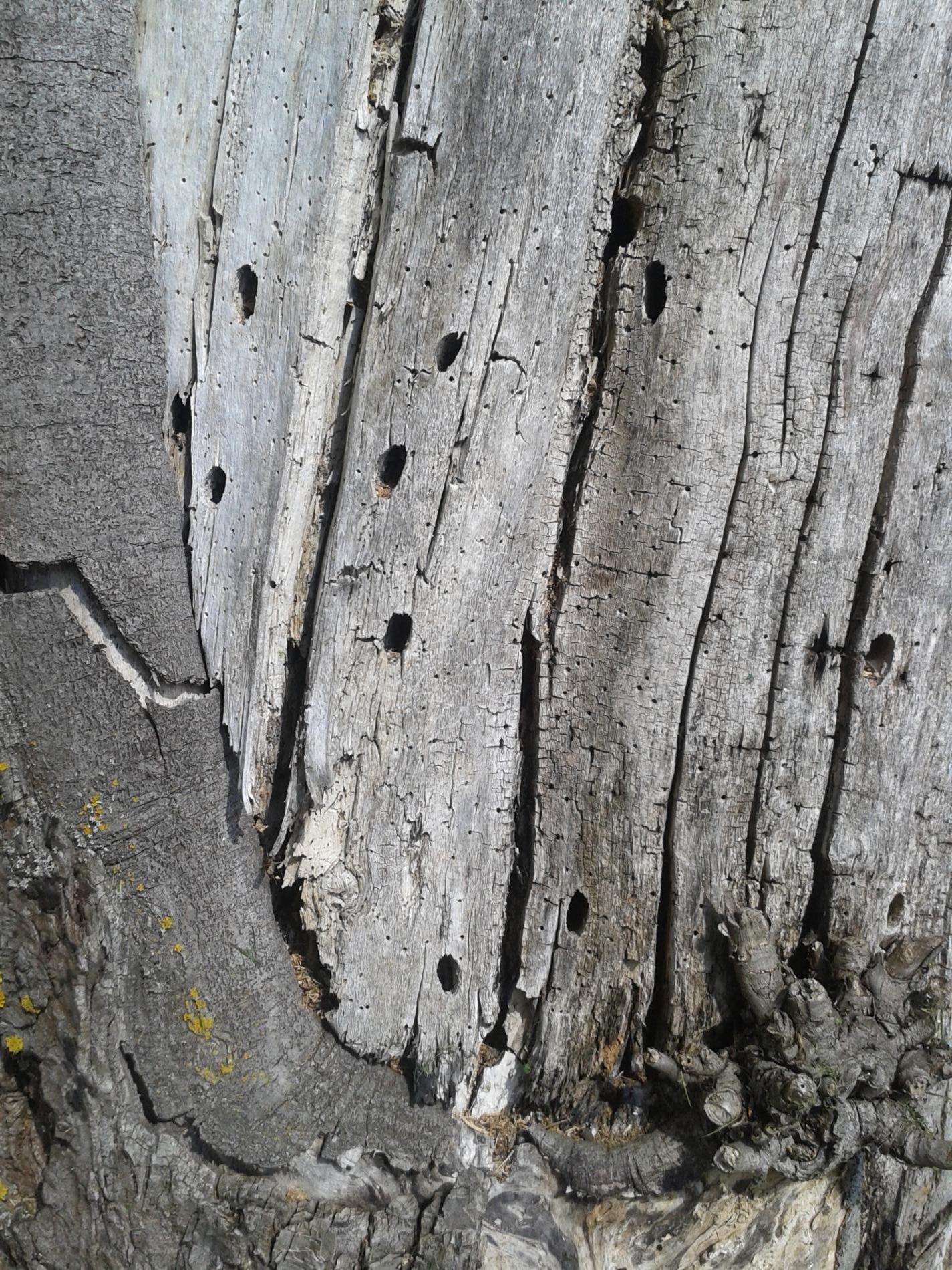
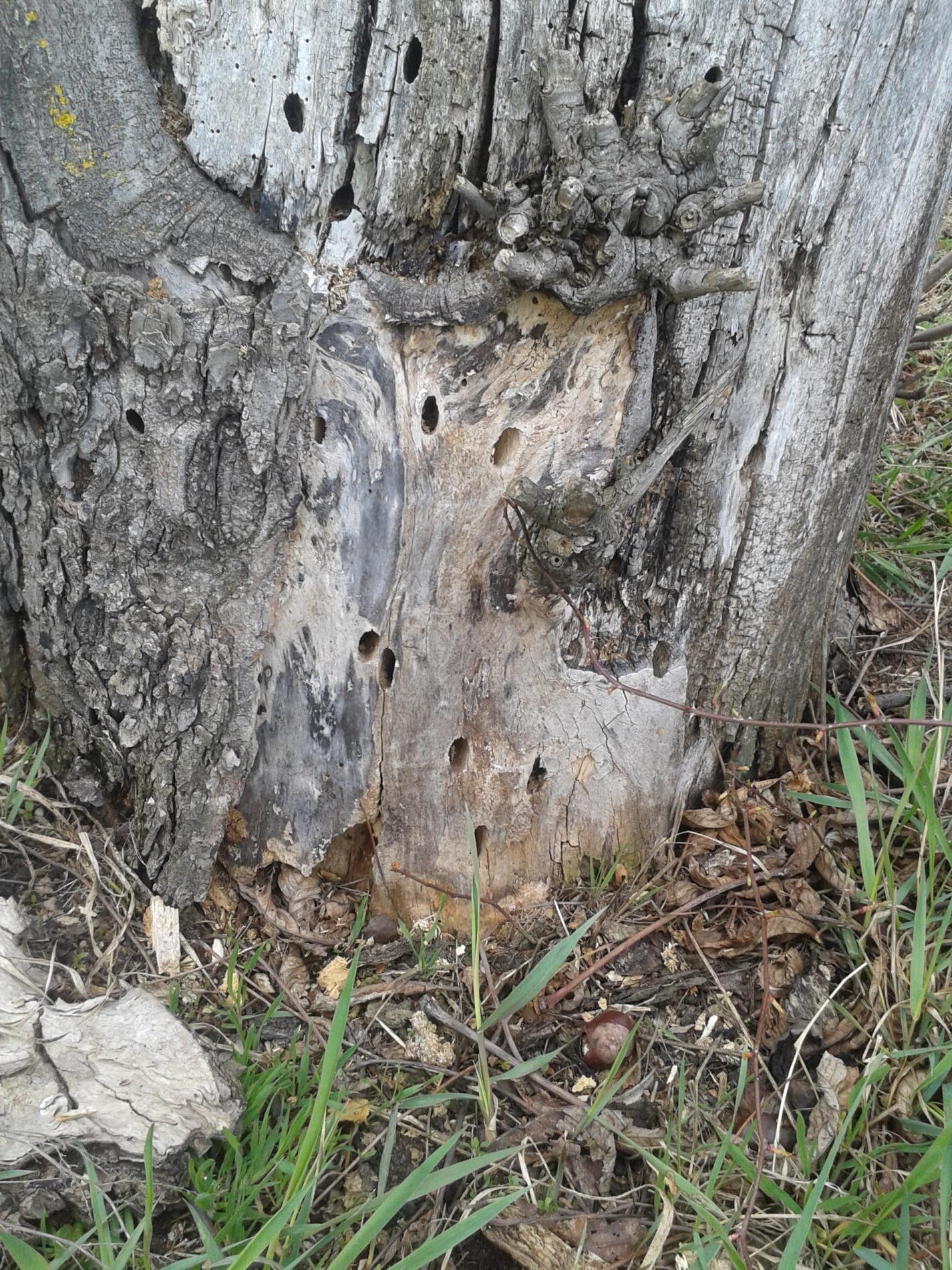
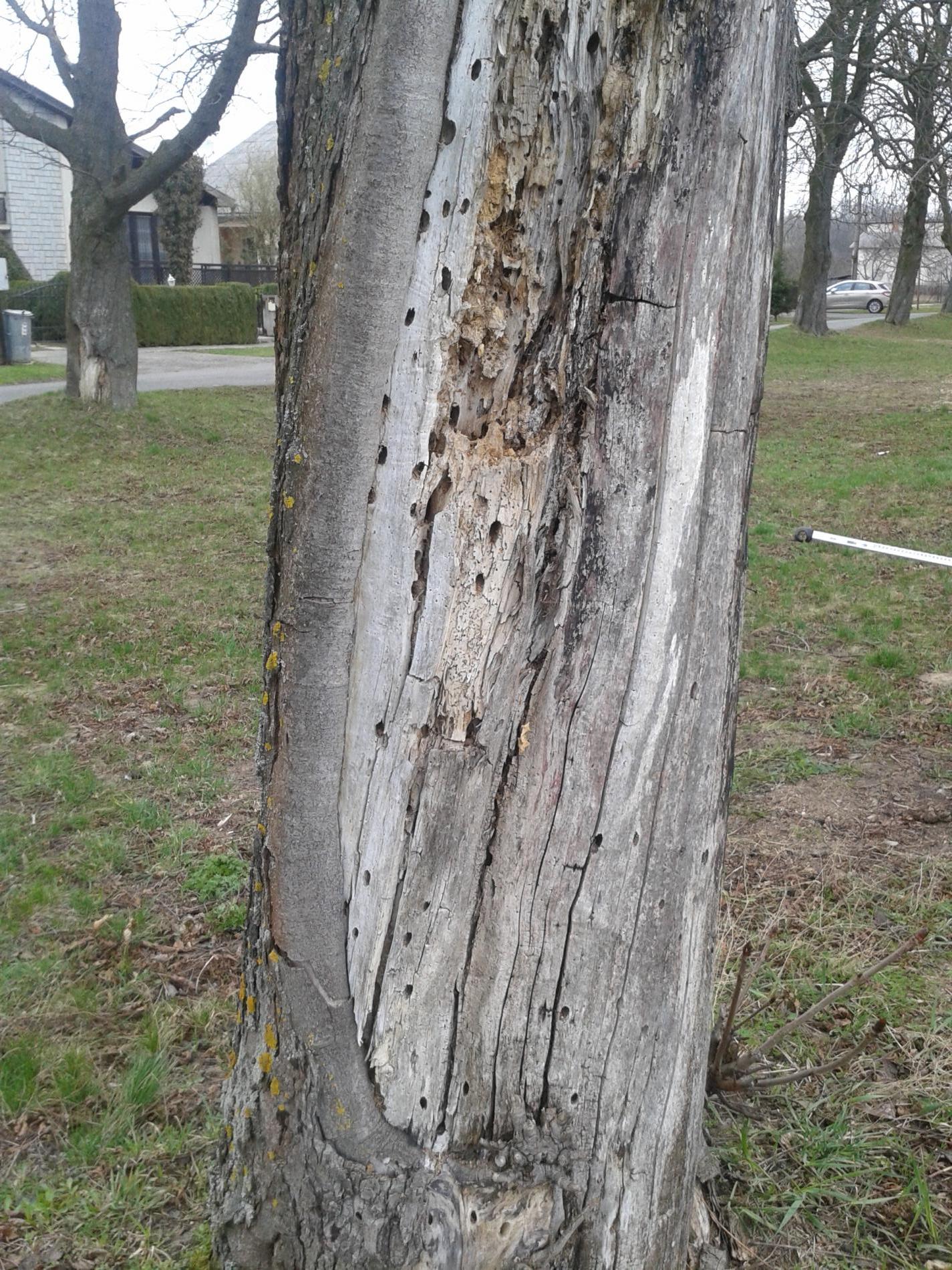
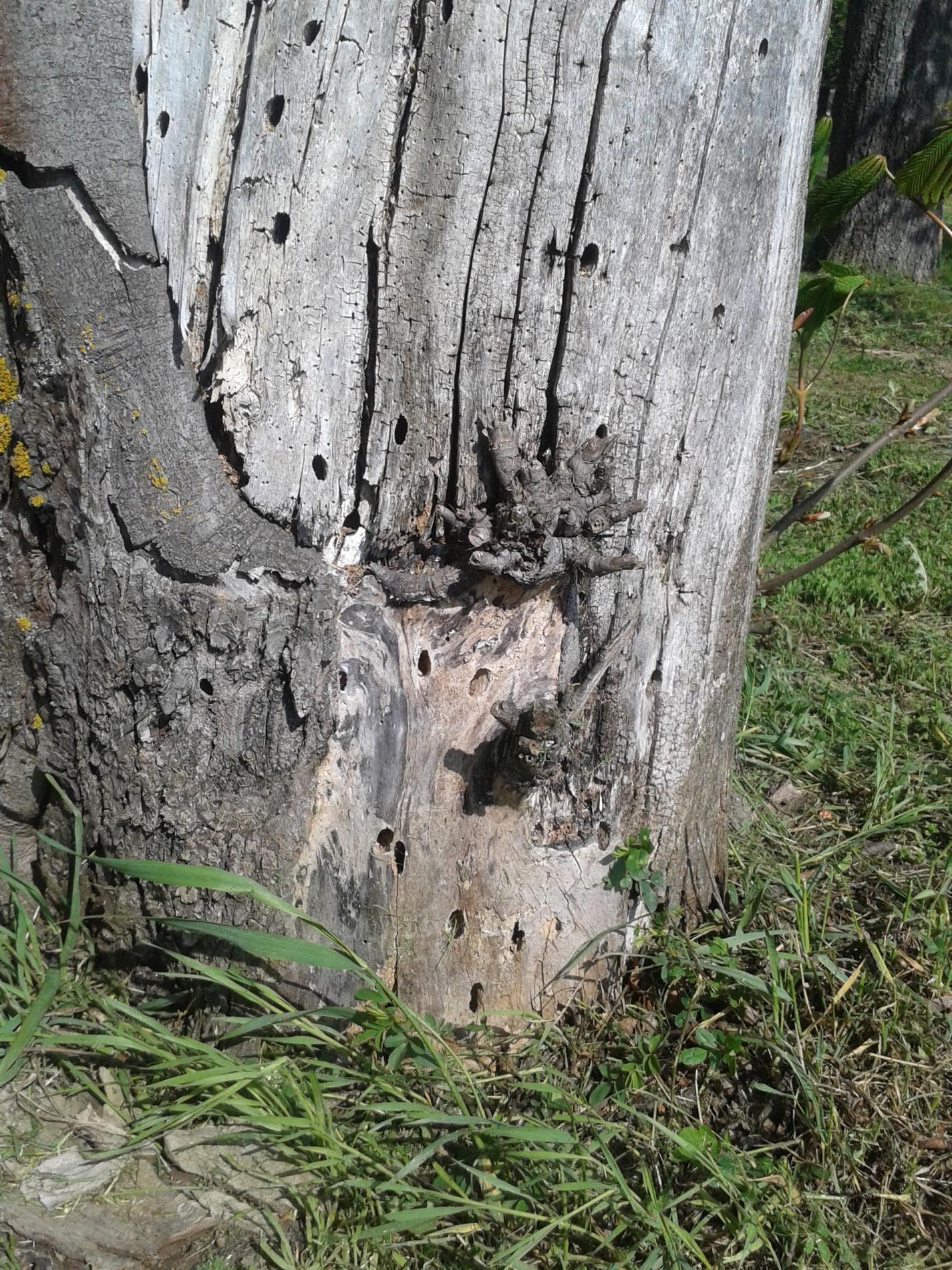
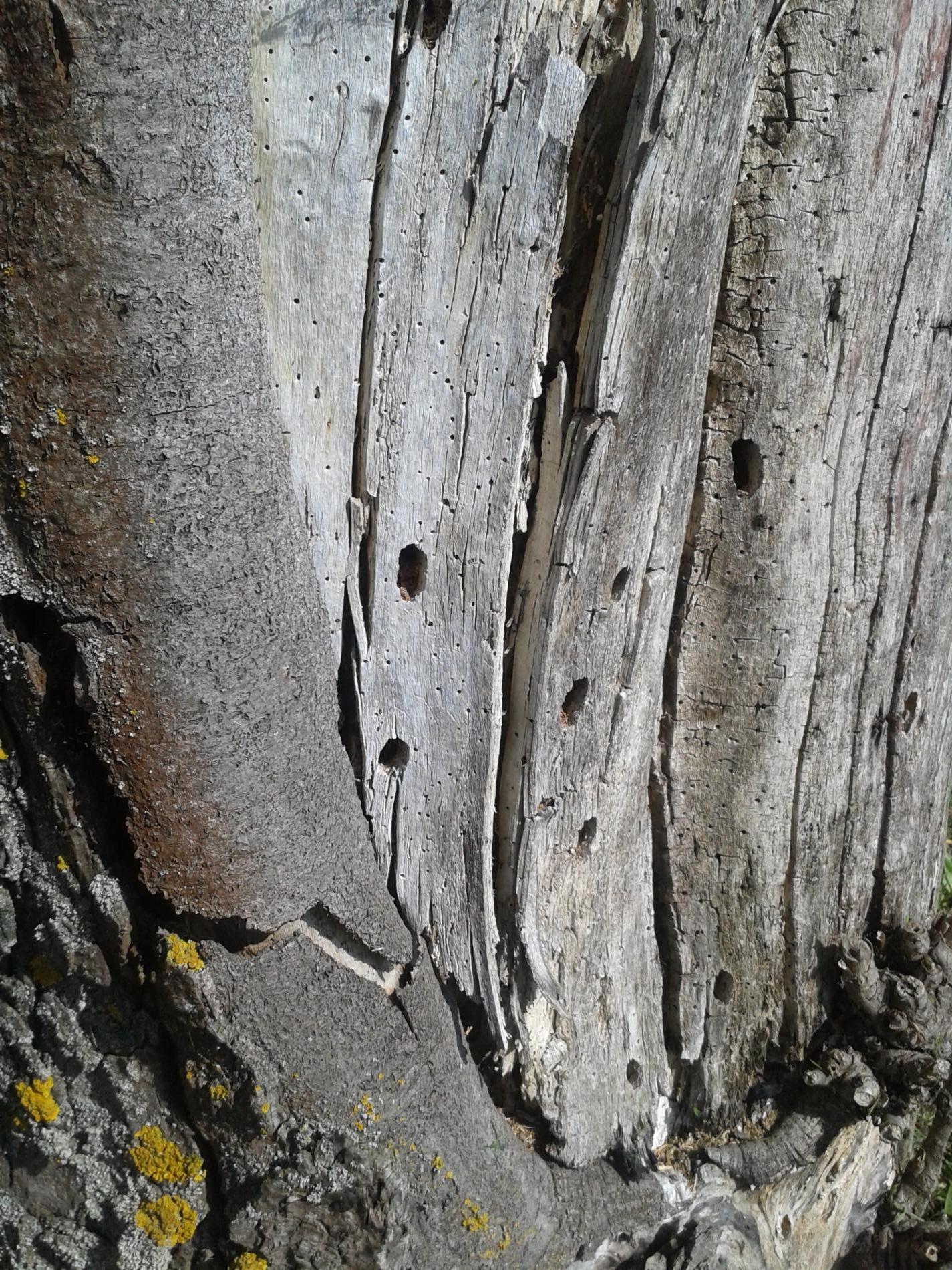
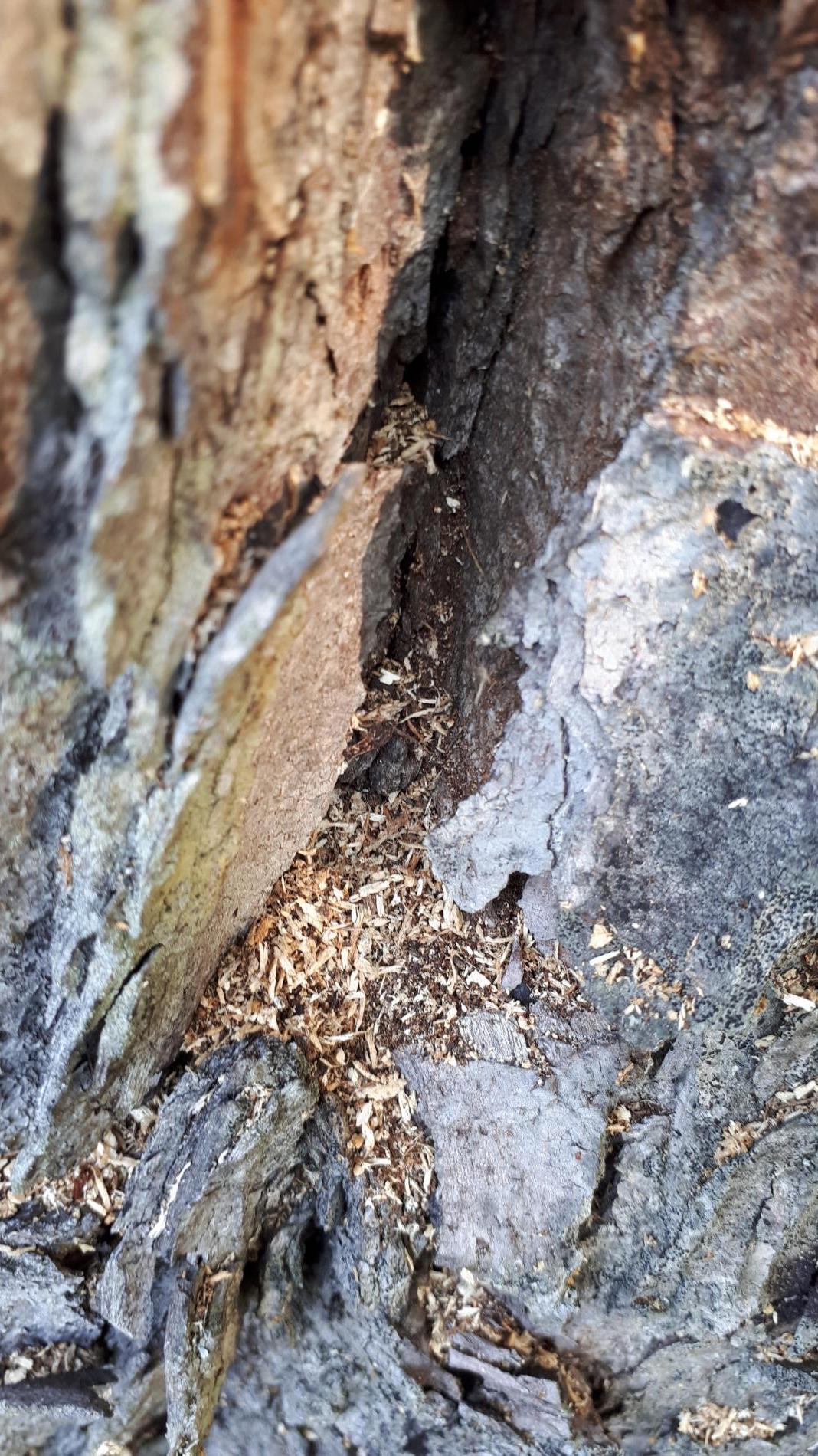
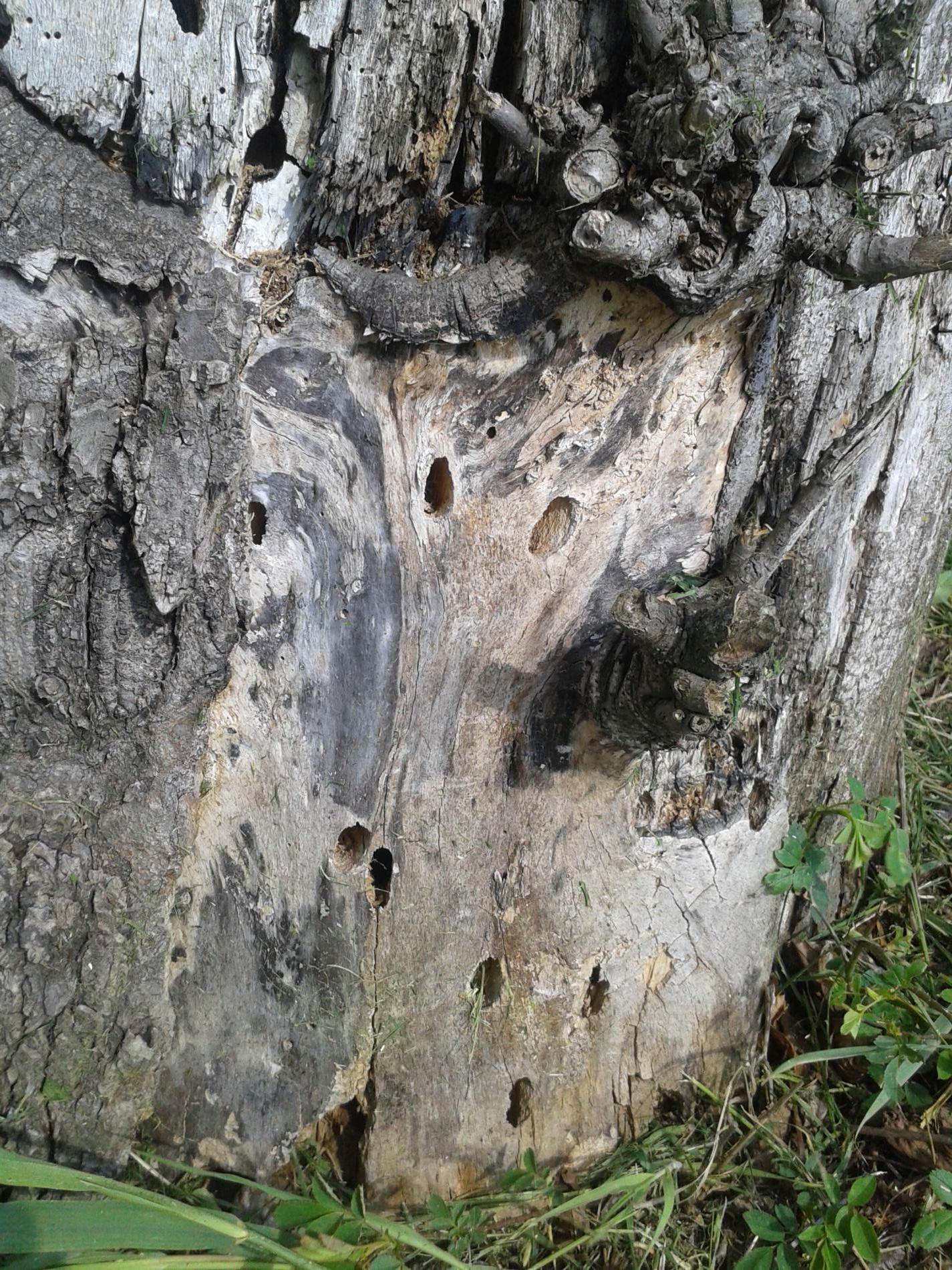
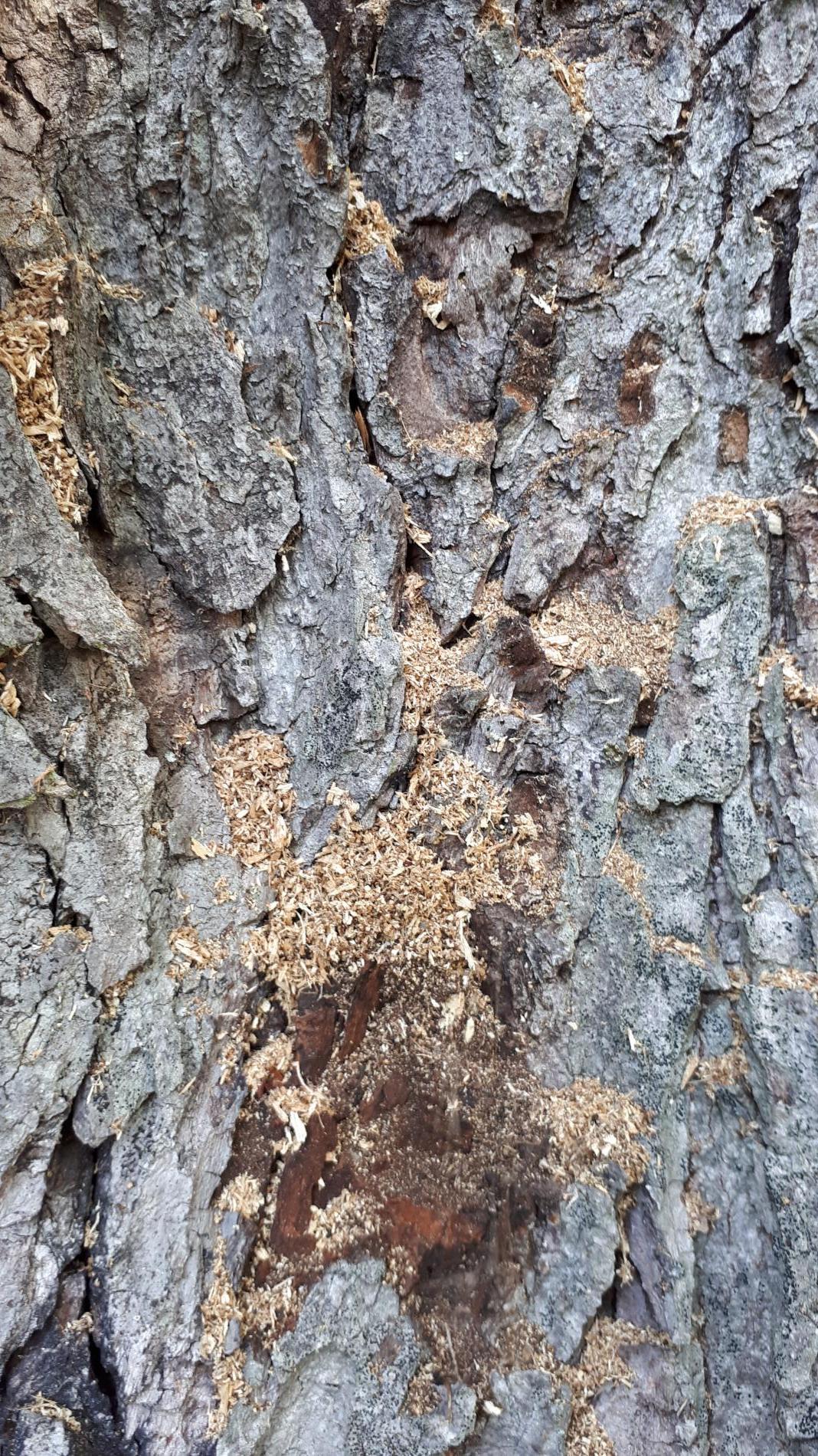
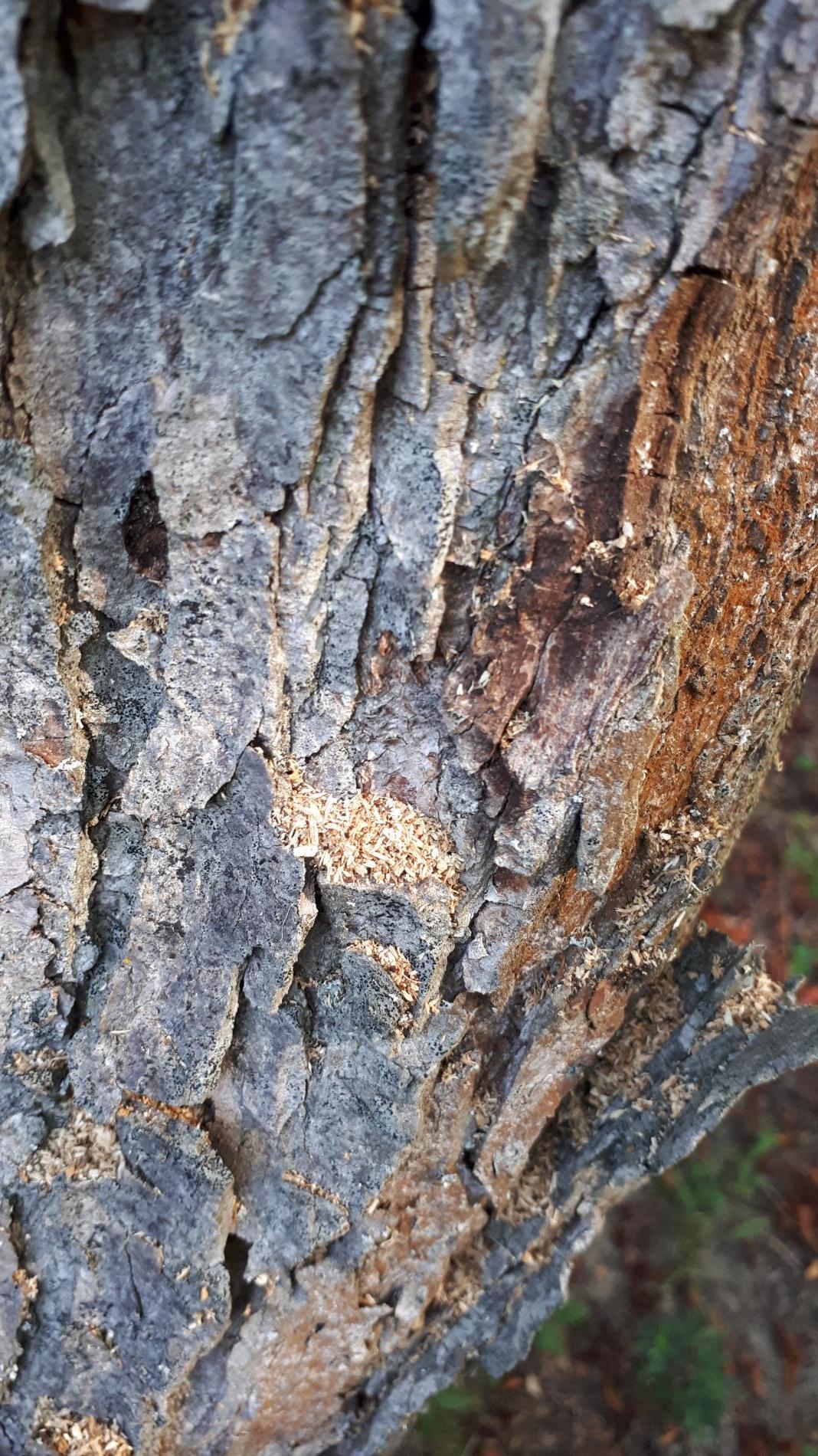
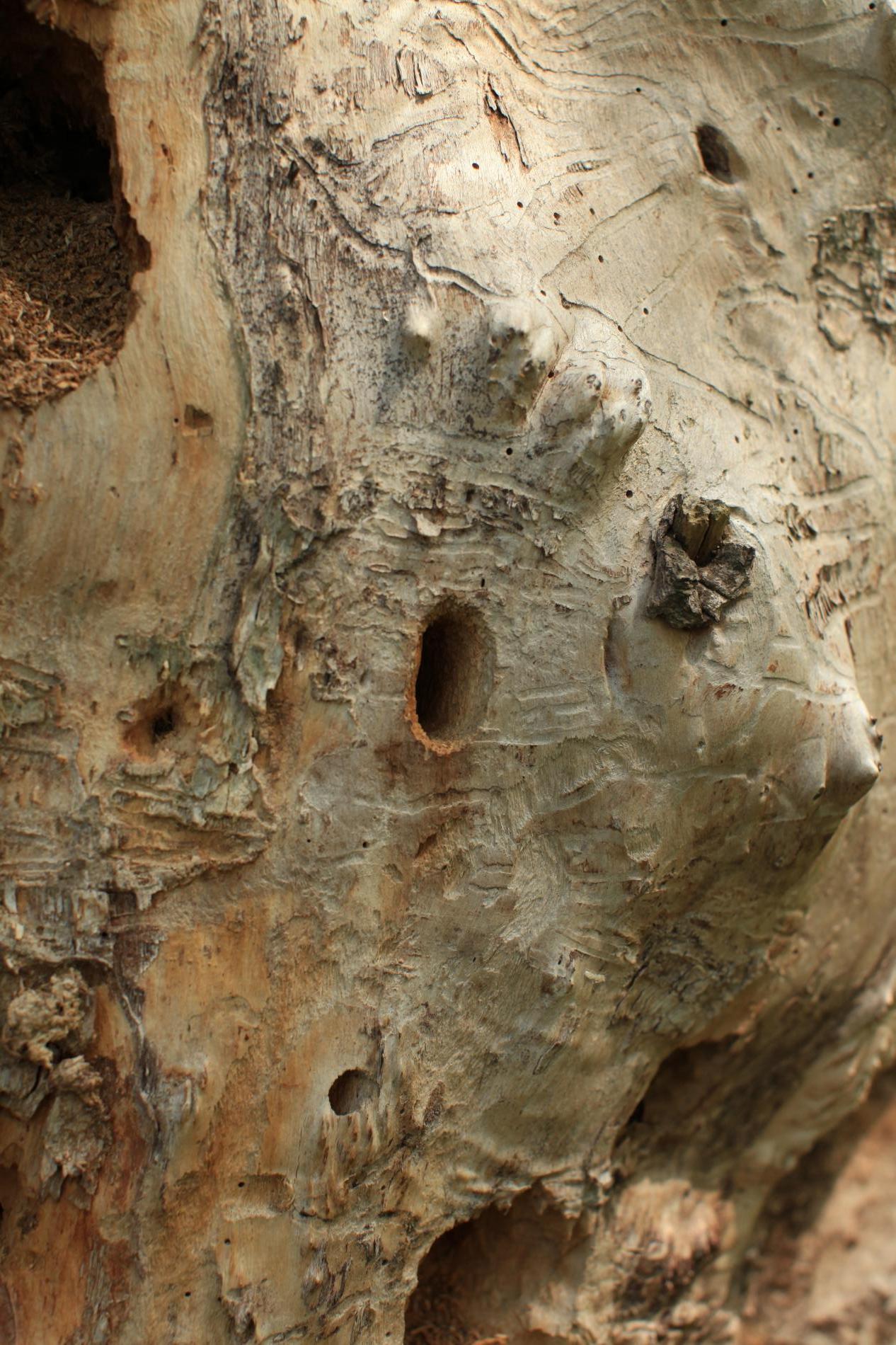
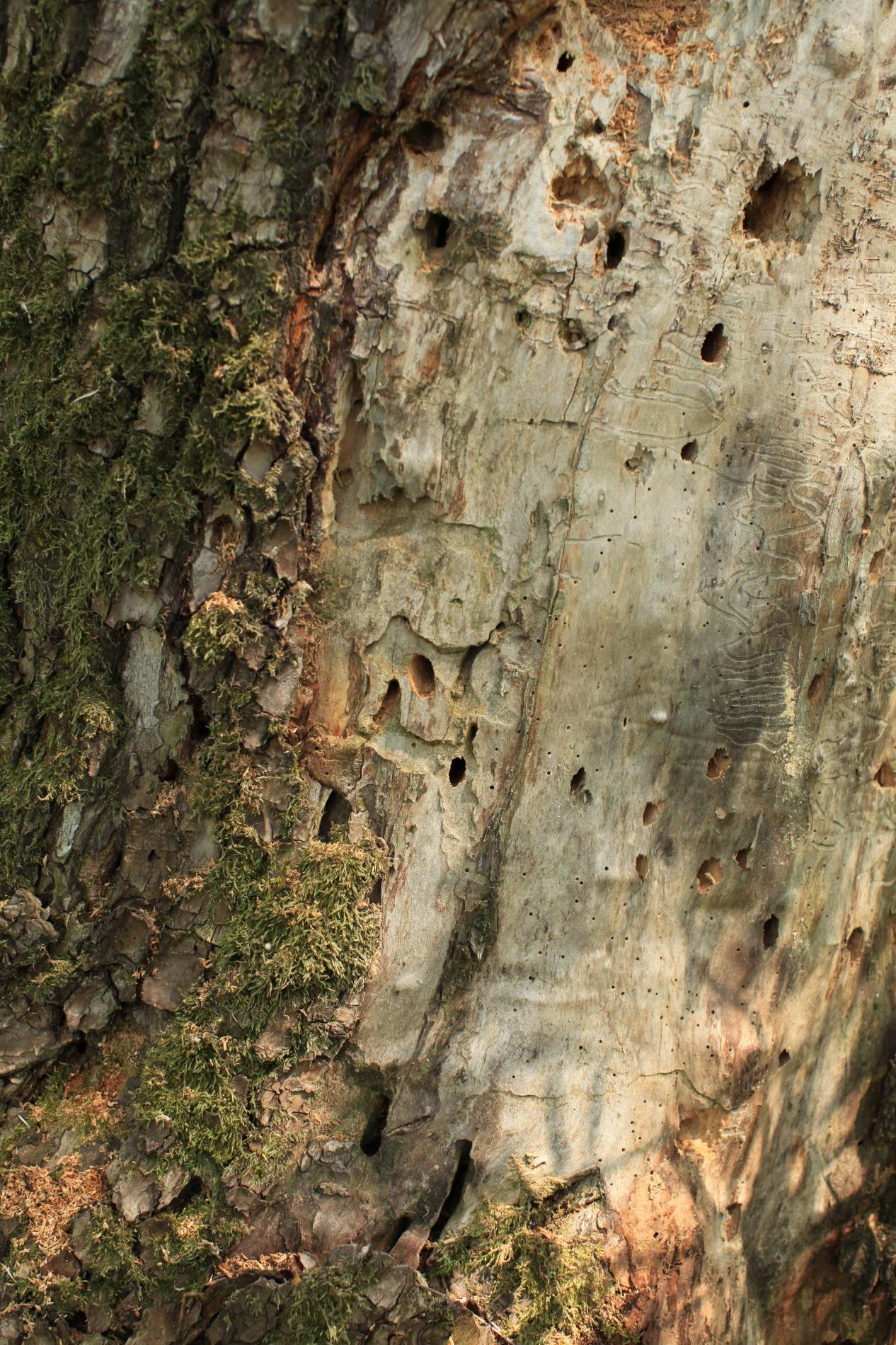
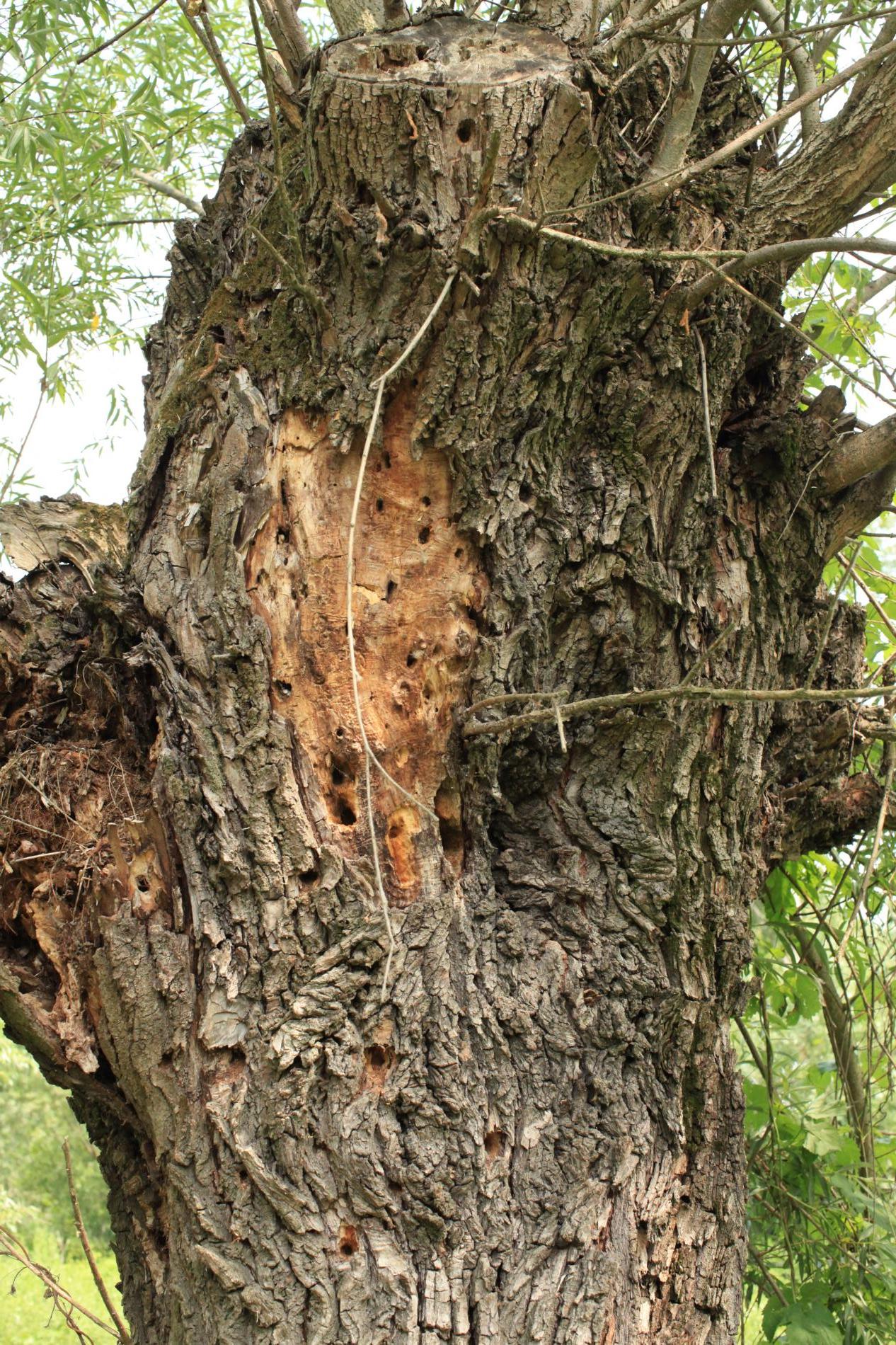
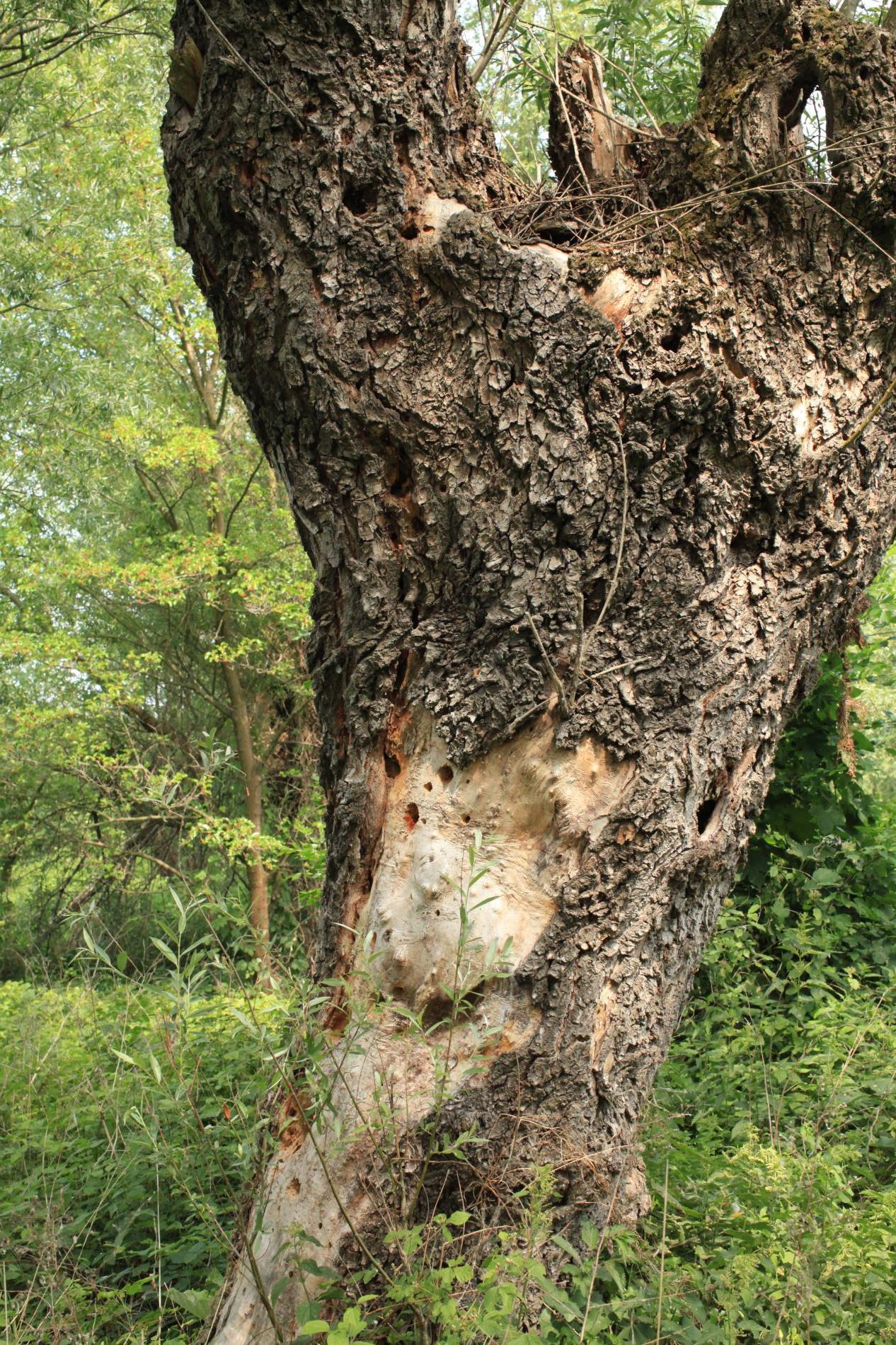
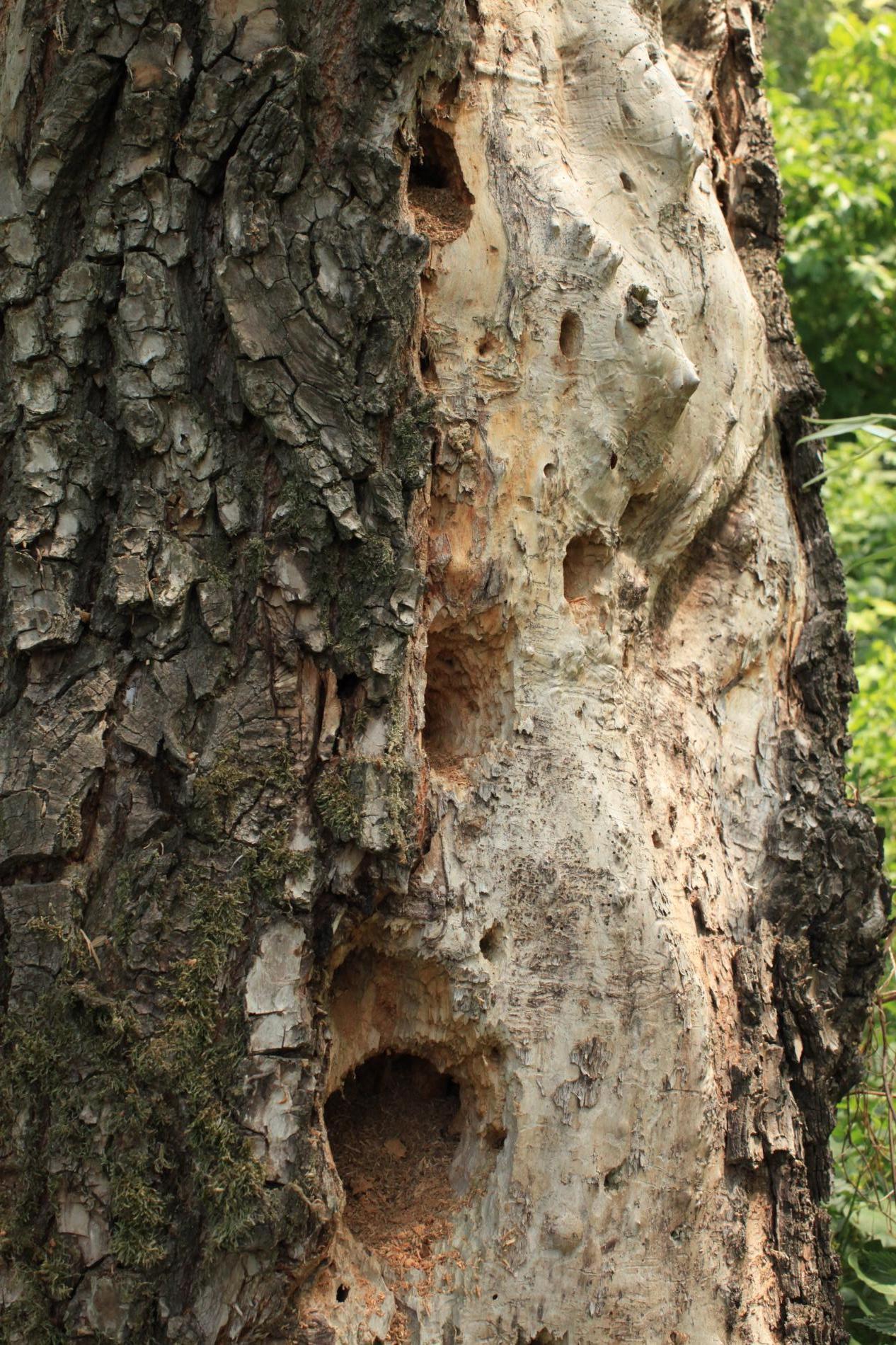
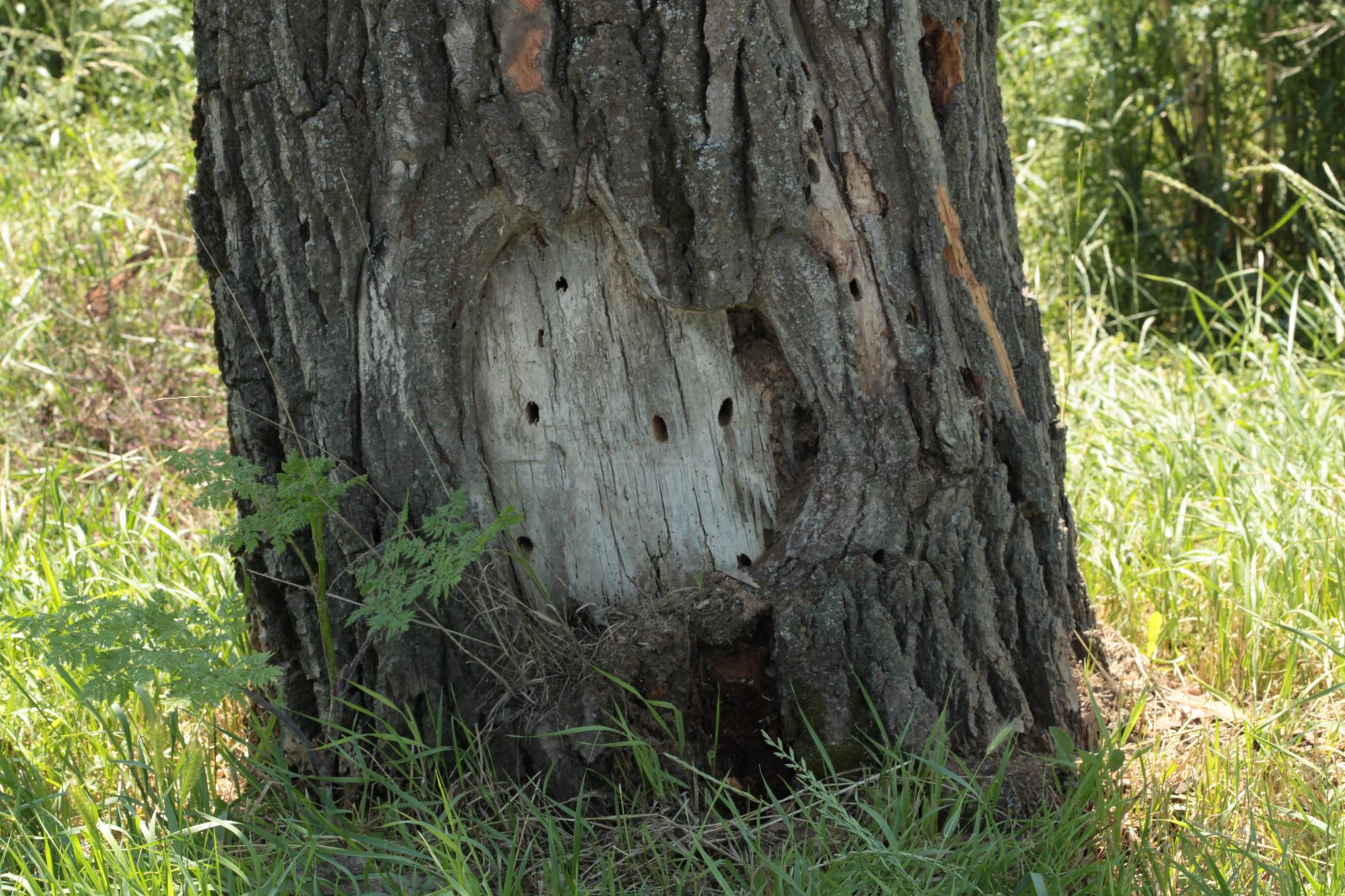
Big exit holes and galleries under the bark.
Tree Species: Lime, Poplar, Willow
Part of a plant- attacked: Tree trunk
Pest significance: Less harmful
Pest Category: Insects
Invasive Species: No
Present in EU: Yes
Pest group: Insect
Affected part of wood: Heartwood, Sapwood
Depth of damages: Bark, Under bark only, Up to 0,5 cm depth, Up to 2 cm depth, Up to 5 cm depth
The extent of damage: Whole trunk
Prevalence in Europe: Common
Damaged products: Firewood, Fresh timber logs (water still in the sapwood), Furniture, Lumber, boards and prisms, Wooden house constructions
Roundwood size: Diameter 50+, Diameter from 10 up to 50 cm
Wood discoloration: No
Exit holes: Oval
Pest subcategory: Wood-boring insect
Similar pests

Rosalia alpina

Cerambyx cerdo
