


Acanthocinus reticulatus
Long-horned beetle Acanthocinus reticulatus
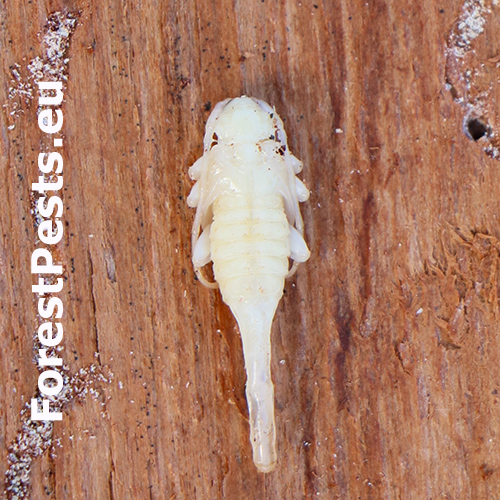
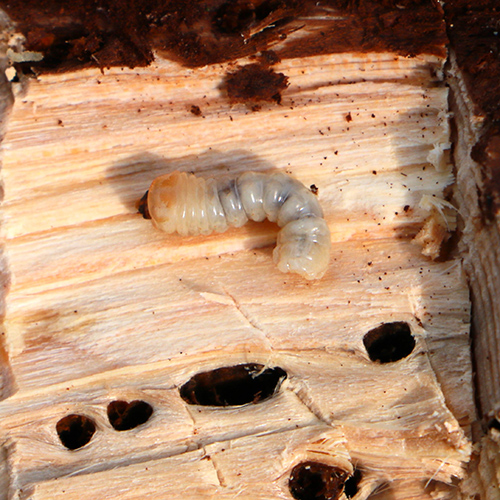
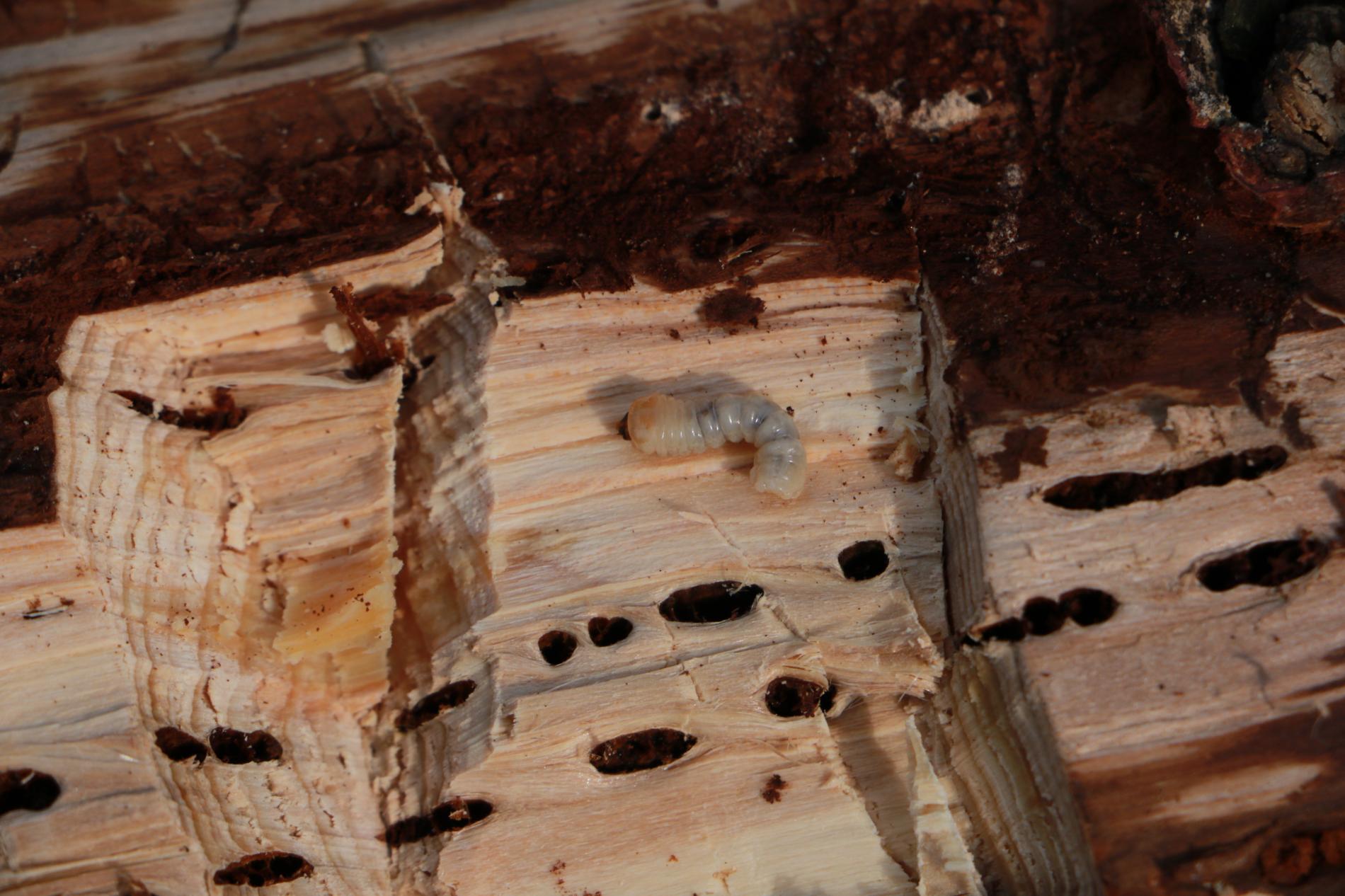
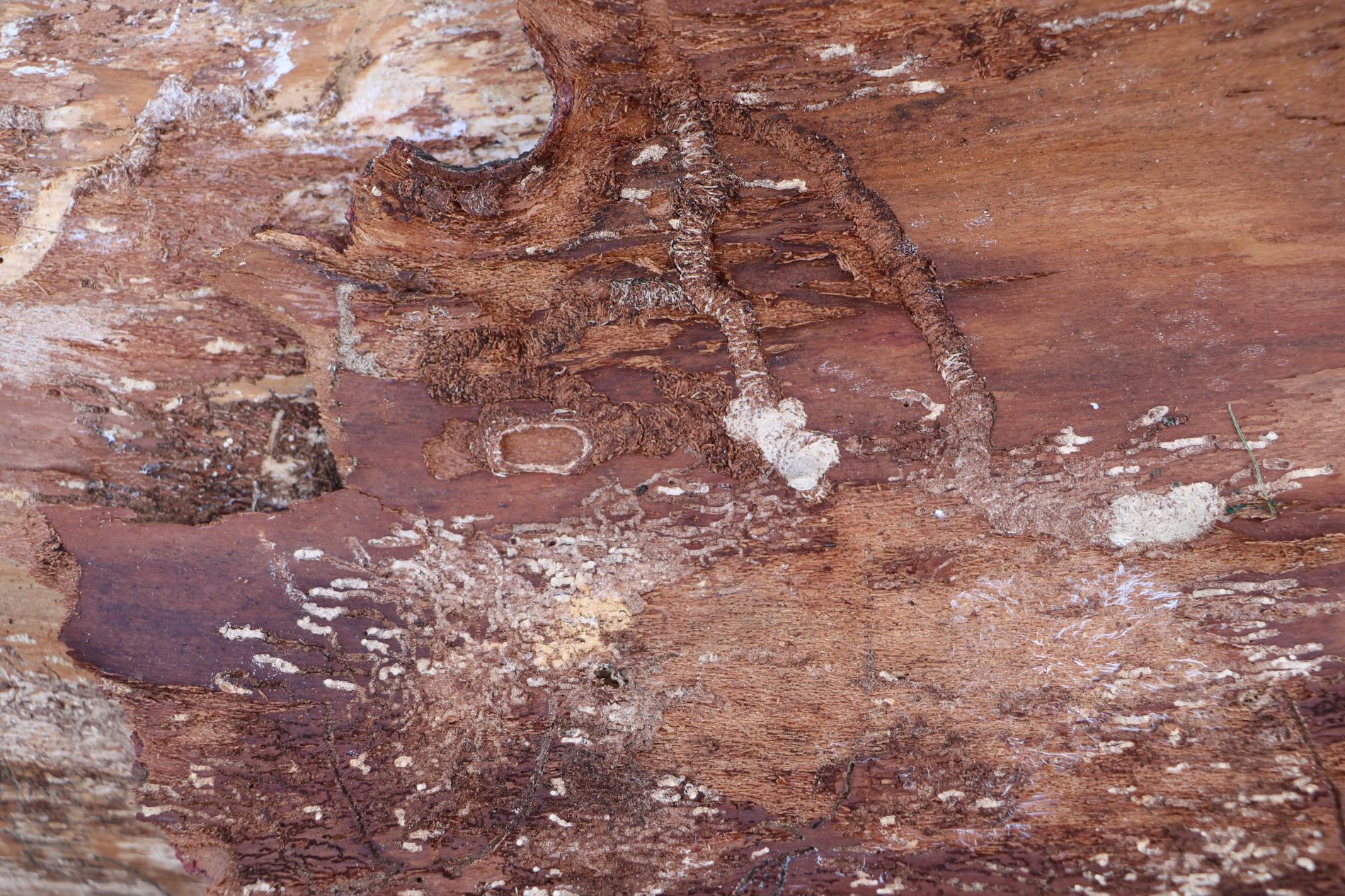
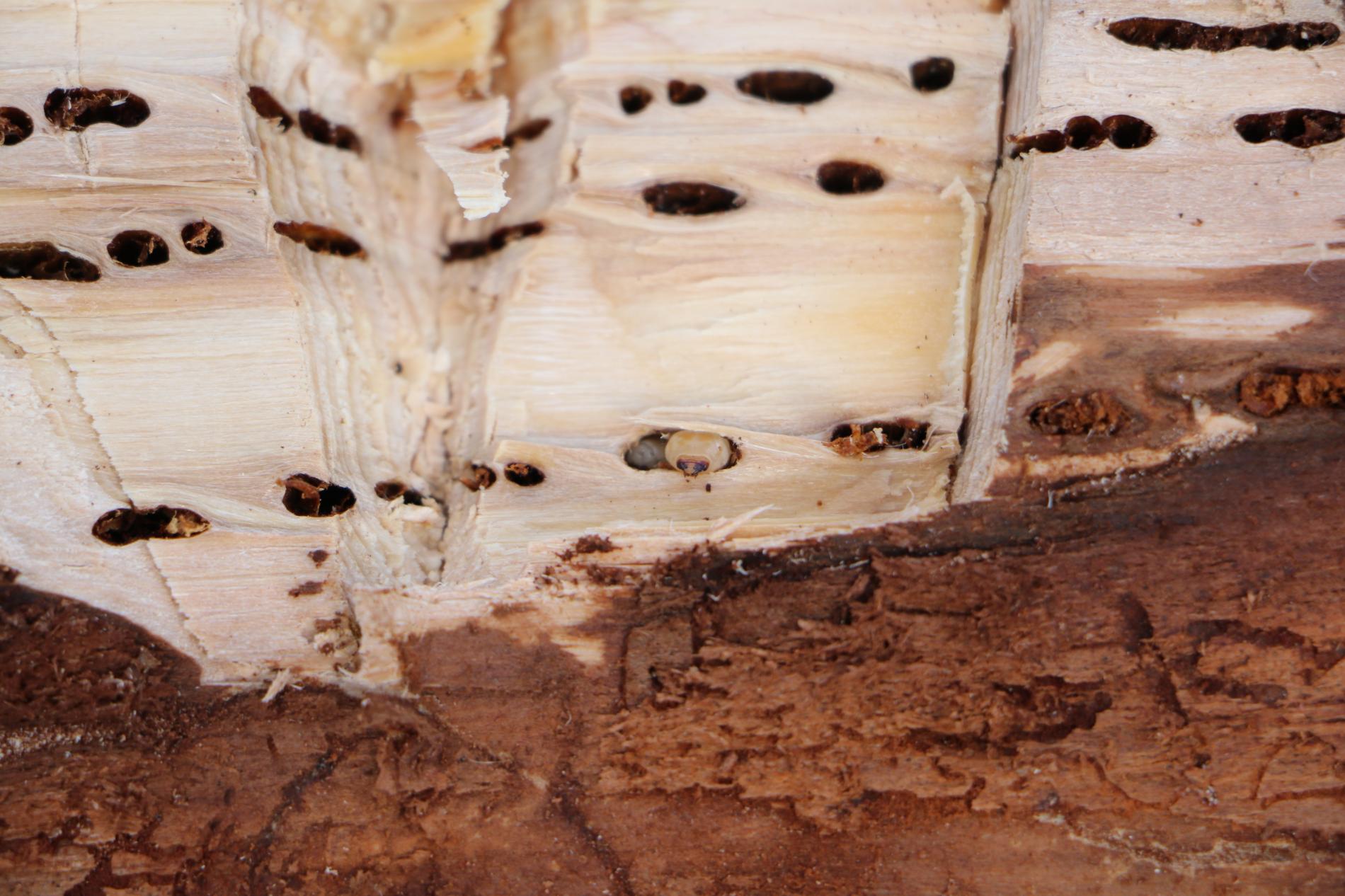
Acanthocinus reticulatus is a longhorn beetle from the family Cerambycidae, native to Southern and Central Europe, including parts of Russia. It primarily infests silver fir (Abies alba), where its larvae develop under the bark of dead or dying trees. Larvae feed between the bark and wood, creating tunnels filled with wood shavings and bark fragments. Acanthocinus reticulatus can be harmful, especially to weakened or dying fir trees, as its larvae feed between the bark and wood. This tunneling can interfere with the tree's nutrient flow, further weakening the tree. While it typically targets already stressed or dead trees, high populations of A. reticulatus in certain local areas could contribute to the decline of fir stands, particularly if the trees are already attacked by environmental stress or other pests. The species is nocturnal, with adults active from May to September and often hiding under bark during the day. While once more common, its presence is generally now limited due to the decline of suitable fir forests. It is generally rare to very rare species.
Infestation symptoms include shallow tunnels filled with fine wood shavings under the bark, often near the base or middle of trunks.
Tree Species: Fir
Part of a plant- attacked: Tree trunk
Pest significance: Less harmful
Pest Category: Insects
Invasive Species: No
Present in EU: Yes
Pest group: Insect
Affected part of wood: Sapwood
Depth of damages: Under bark only, Up to 0,5 cm depth
The extent of damage: Lokally
Prevalence in Europe: Very rare
Damaged products: Firewood, Fresh timber logs (water still in the sapwood)
Roundwood size: Diameter 50+, Diameter from 10 up to 50 cm
Wood discoloration: No
Exit holes: Oval
Pest subcategory: Bark and underbark insect
Similar pests

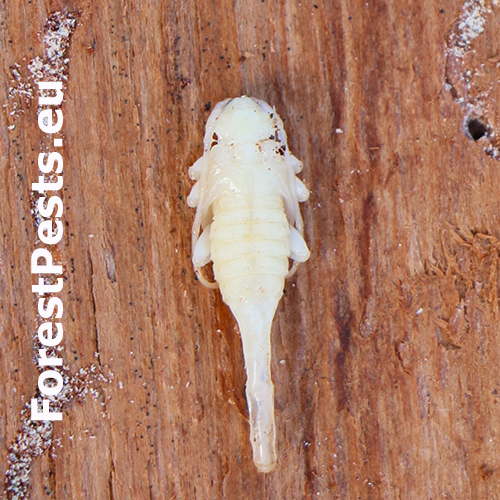
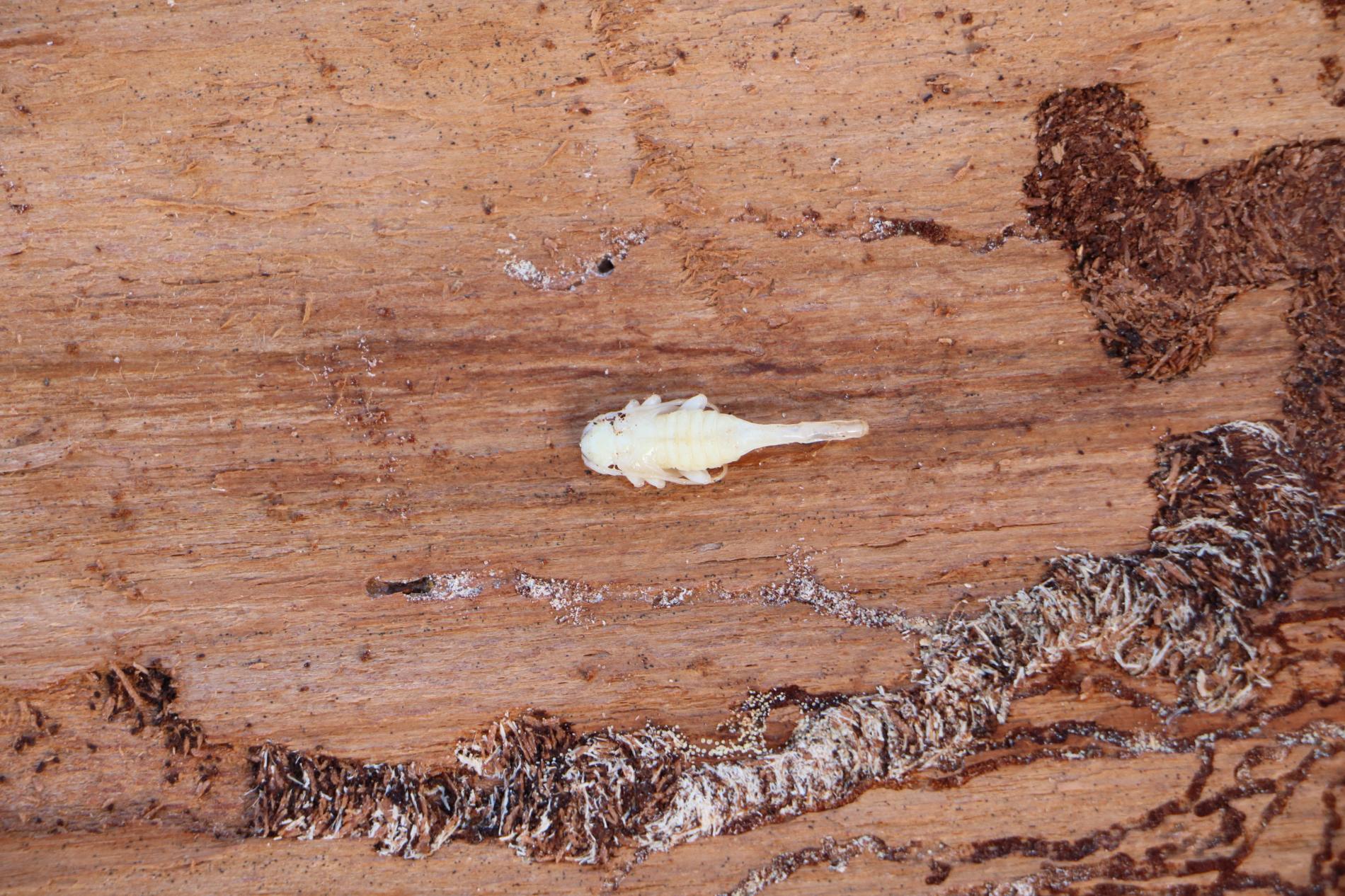
Monochamus sutor

Monochamus galloprovincialis
